AI and Open-Source Ecosystem Abused for Malware Delivery and Agent Manipulation
Emerging Technology Risk · 6 sources · Updated 5mo ago · First seen Feb 17, 2026
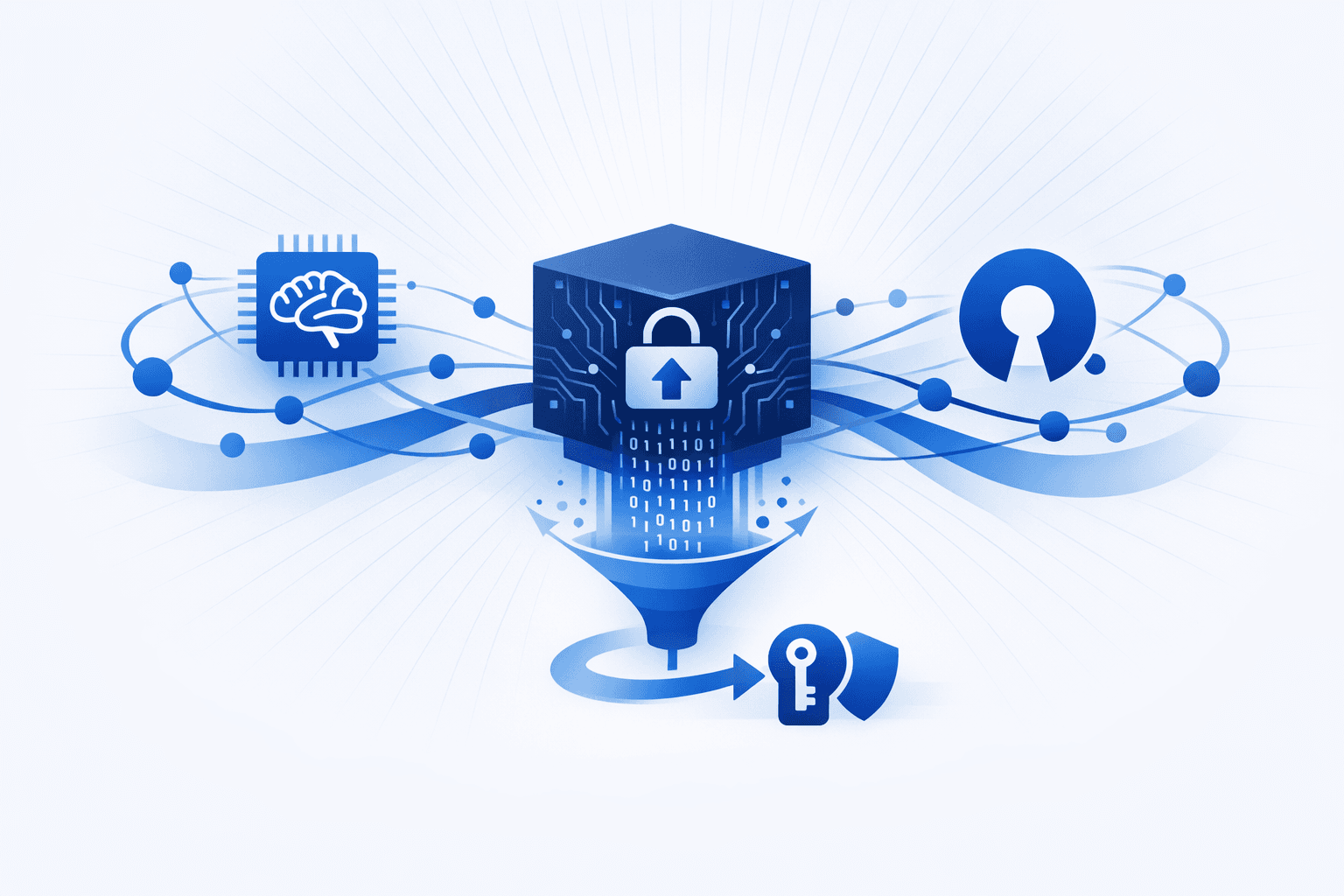
Multiple reports describe threat actors abusing AI-adjacent and open-source distribution channels to deliver malware or manipulate automated agents. Straiker STAR Labs reported a SmartLoader campaign that trojanized a legitimate-looking Model Context Protocol (MCP) server tied to Oura by cloning the project, fabricating GitHub credibility (fake forks/contributors), and getting the poisoned server listed in MCP registries; the payload ultimately deployed StealC to steal credentials and crypto-wallet data. Separately, researchers observed attackers using trusted platforms and SaaS reputations for delivery and monetization: a fake Android “antivirus” (TrustBastion) was hosted via Hugging Face repositories to distribute banking/credential-stealing malware, and Trend Micro documented spam/phishing that abused Atlassian Jira Cloud email reputation and Keitaro TDS redirects to funnel targets (including government/corporate users across multiple language groups) into investment scams and online casinos.
In parallel, research highlights emerging risks where AI agents and AI-enabled workflows become the target or the transport layer. Check Point demonstrated “AI as a proxy,” where web-enabled assistants (e.g., Grok, Microsoft Copilot) can be coerced into acting as covert C2 relays, blending attacker traffic into commonly allowed enterprise destinations, and outlined a trajectory toward prompt-driven, adaptive malware behavior. OpenClaw featured in two distinct security developments: an OpenClaw advisory described a log-poisoning / indirect prompt-injection weakness (unsanitized WebSocket headers written to logs that may later be ingested as trusted context), while Hudson Rock reported an infostealer incident that exfiltrated sensitive OpenClaw configuration artifacts (e.g., openclaw.json tokens, device.json keys, and “memory/soul” files), signaling that infostealer operators are beginning to harvest AI-agent identities and automation secrets in addition to browser credentials.
Why it matters
Impact assessment
Multiple abuse patterns in this story affect enterprises adopting AI assistants, developers installing MCP servers, Android users, and organizations that trust SaaS-generated email. The most immediate business risk is credential theft and follow-on compromise: SmartLoader delivers StealC to steal browser credentials and crypto-wallet data, TrustBastion targets banking credentials and device access, and OpenClaw artifact theft exposes agent tokens, keys, and memory files that can enable impersonation and broader identity compromise.
Exposure is mixed between targeted and opportunistic. The SmartLoader MCP campaign appears targeted at developers and higher-value engineering environments, while the Jira Cloud spam, Hugging Face-hosted Android malware, and exposed OpenClaw gateways create broader opportunistic risk at internet scale. No confirmed widespread destructive incidents are described, but the reports include live malicious campaigns and active abuse of trusted platforms in the wild.
Affected populations
- Developers and engineering teams using Model Context Protocol servers, GitHub-hosted AI tooling, and MCP registries such as MCP Market
- Organizations permitting employee use of web-based AI assistants such as Grok and Microsoft Copilot
- OpenClaw users, especially those exposing gateway services to the internet or storing agent secrets on endpoints vulnerable to infostealers
- Enterprises relying on Atlassian Jira Cloud notifications as trusted email traffic
- Android users sideloading apps from public repositories such as Hugging Face
Severity and business consequences
- Credential theft: StealC theft of browser passwords, credentials, and cryptocurrency wallet data
- Financial fraud: banking overlay theft on Android and redirection to investment scams and online casinos
- Identity and automation compromise: theft of
openclaw.jsongateway tokens,device.jsonprivate keys, and agent memory/context files - Operational risk: AI assistants abused as covert C2 relays can blend malicious traffic into allowed enterprise AI destinations, reducing visibility and complicating containment
- Reputational and compliance risk: compromise of developer workstations or AI-agent secrets can expose production access, cloud credentials, and sensitive user context
Scope and exploitation status
- SmartLoader trojanized MCP server campaign was active and listed in a legitimate MCP registry
- Atlassian Jira Cloud abuse was observed globally from late December 2025 through late January 2026 across multiple language groups and sectors
- TrustBastion was publicly hosted on Hugging Face repositories for malware delivery
- Hudson Rock reported a live infostealer infection that exfiltrated OpenClaw artifacts
- Check Point’s AI-proxy C2 is a proof of concept, but it demonstrates a viable service-abuse technique against real public AI services rather than a purely theoretical model