Phishing Campaigns Abuse Digital Invites and Fake Meeting Pages to Steal Credentials and Deploy RMM Tools
Social Engineering & Fraud · 3 sources · Updated 5mo ago · First seen Feb 24, 2026
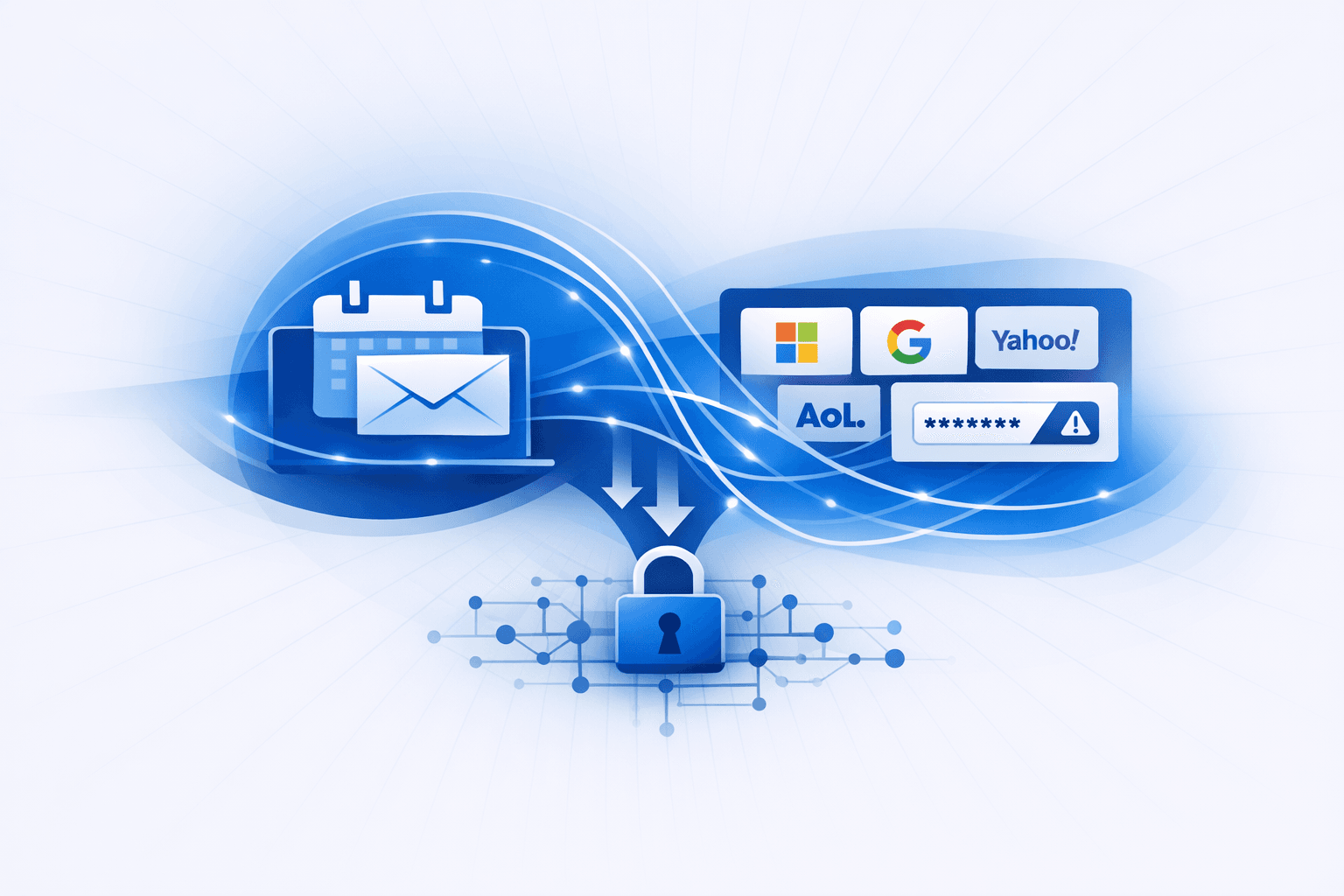
Threat actors are abusing the familiarity of digital invitation and meeting platforms to increase phishing success rates. Cofense reported malicious Punchbowl/Paperless Post-themed invitations that prompt recipients to “log in to view event details,” then redirect to phishing infrastructure offering branded sign-in options (e.g., Microsoft, Yahoo, AOL, Google, Dropbox) to harvest credentials. The phishing flow may solicit multiple credential sets by returning fake login errors and urging users to try alternate accounts; submitted credentials are exfiltrated to attacker-controlled domains, often leveraging newly registered domains to evade reputation-based defenses.
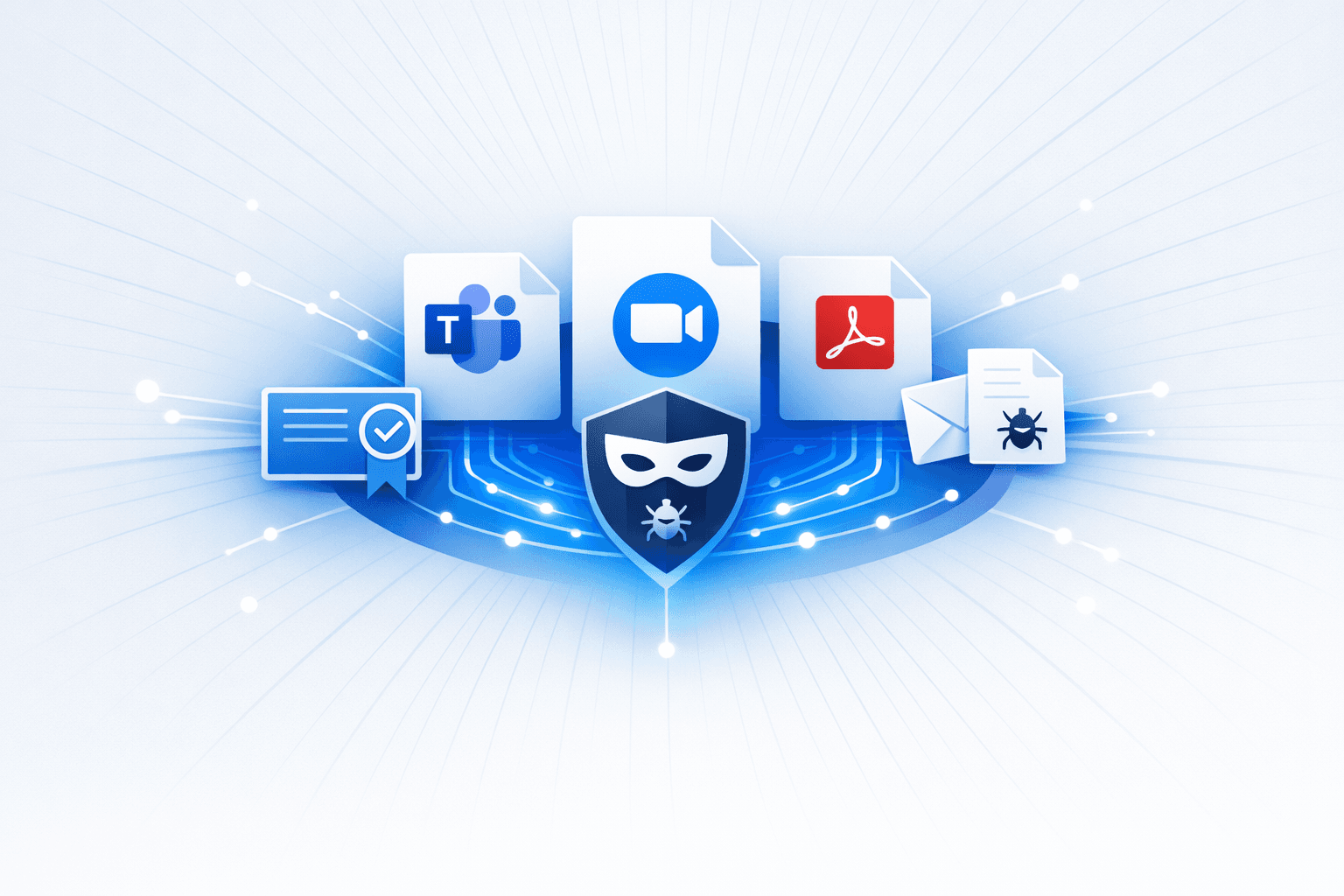
Separately, Netskope research (reported by KnowBe4) described fake video meeting invites for Zoom, Microsoft Teams, Google Meet, and similar services that lead to spoofed “join meeting” pages showing purported coworkers already on the call. Victims are instructed to install a required “update” to join; the payload is a digitally signed remote monitoring and management (RMM) tool such as Datto RMM, LogMeIn, or ScreenConnect, enabling remote access and potential follow-on activity including data theft or deployment of additional malware. The use of legitimate, signed RMM software can blend into normal enterprise traffic and may bypass controls where such tools are pre-approved.
Why it matters
Impact assessment
This activity affects organizations and users that rely on digital invitation platforms, cloud identity providers, calendar workflows, and common meeting tools such as Zoom, Microsoft Teams, and Google Meet. The impact ranges from credential theft and account takeover to remote administrative access on endpoints through legitimate RMM software, creating risk of business email compromise, data theft, fraud, and follow-on malware deployment.
The exposure is broad because the lures abuse familiar business and consumer workflows rather than niche software flaws, and the use of signed RMM tools and newly registered phishing domains increases the chance of bypassing user trust and basic defenses. The reporting describes active campaigns and observed infrastructure, indicating exploitation in the wild.
Supporting facts
- Affected user populations: enterprise users, shared/resource calendar administrators, and consumer users of Google Calendar, Punchbowl, Paperless Post, Zoom, Microsoft Teams, and Google Meet.
- Affected industries: cross-sector; especially organizations with heavy email, calendar, and remote-meeting dependence.
- Business impacts:
- Credential theft from branded phishing pages offering Microsoft, Yahoo, AOL, Google, and Dropbox sign-in options.
- Account takeover, credential stuffing, privilege escalation, business email compromise, identity fraud, and extortion.
- Endpoint compromise through Datto RMM, LogMeIn, and ScreenConnect installation under the guise of a meeting software update.
- Potential operational disruption from attacker remote access, persistent footholds, data theft, and additional malware deployment.
- Scope: widespread social-engineering exposure rather than a narrowly targeted software vulnerability.
- In-the-wild evidence:
- Cofense Phishing Defense Center analyzed a live malicious digital invitation campaign and published observed URLs and IPs.
- Netskope reported active fake meeting invite campaigns delivering signed RMM tools.
- Malwarebytes warned of active Google Calendar invite abuse for callback phishing and remote-access scams.