Phishing Campaigns Weaponize Legitimate RMM Tools for Remote Access and Credential Theft
Social Engineering & Fraud · 2 sources · Updated 5mo ago · First seen Feb 18, 2026
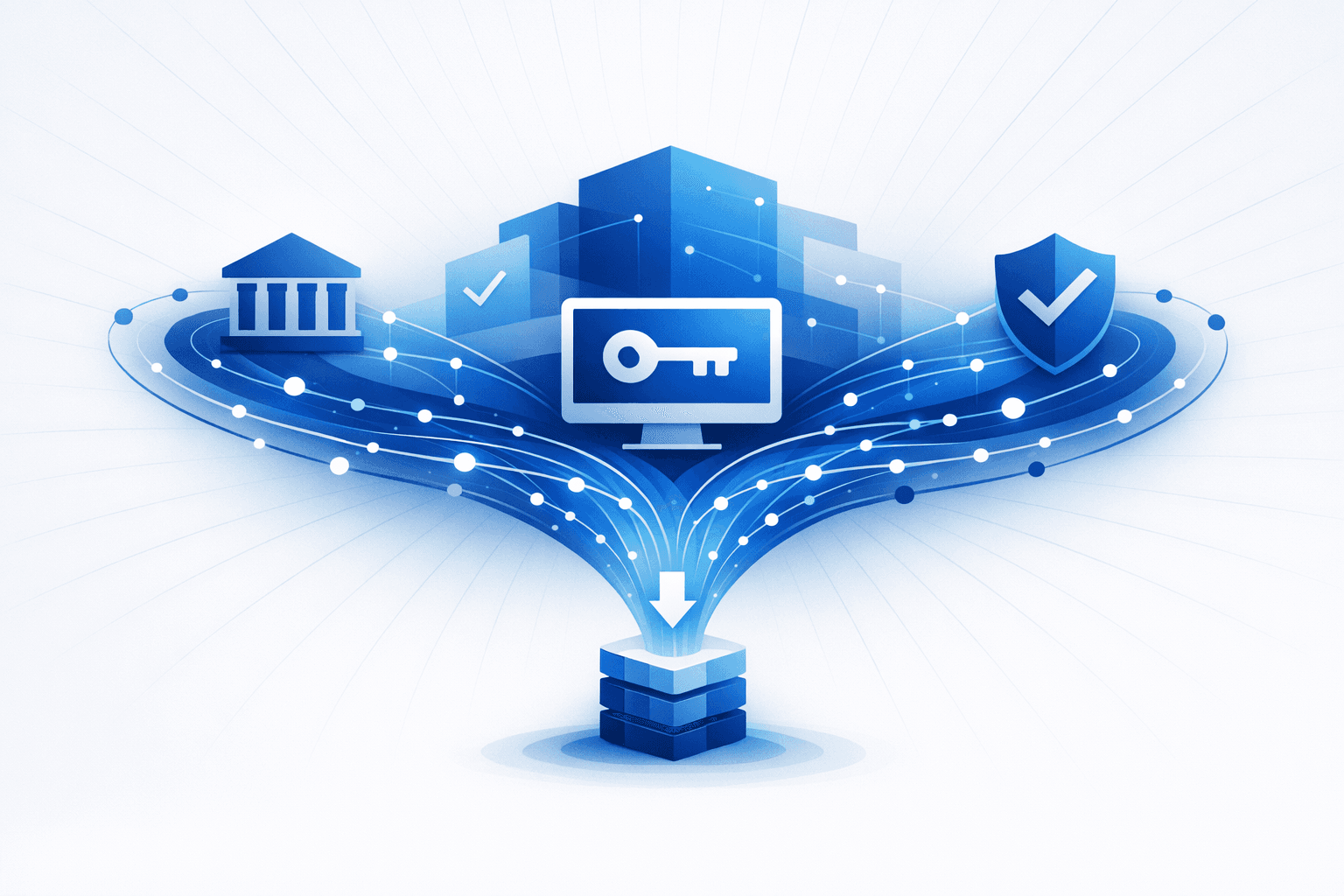
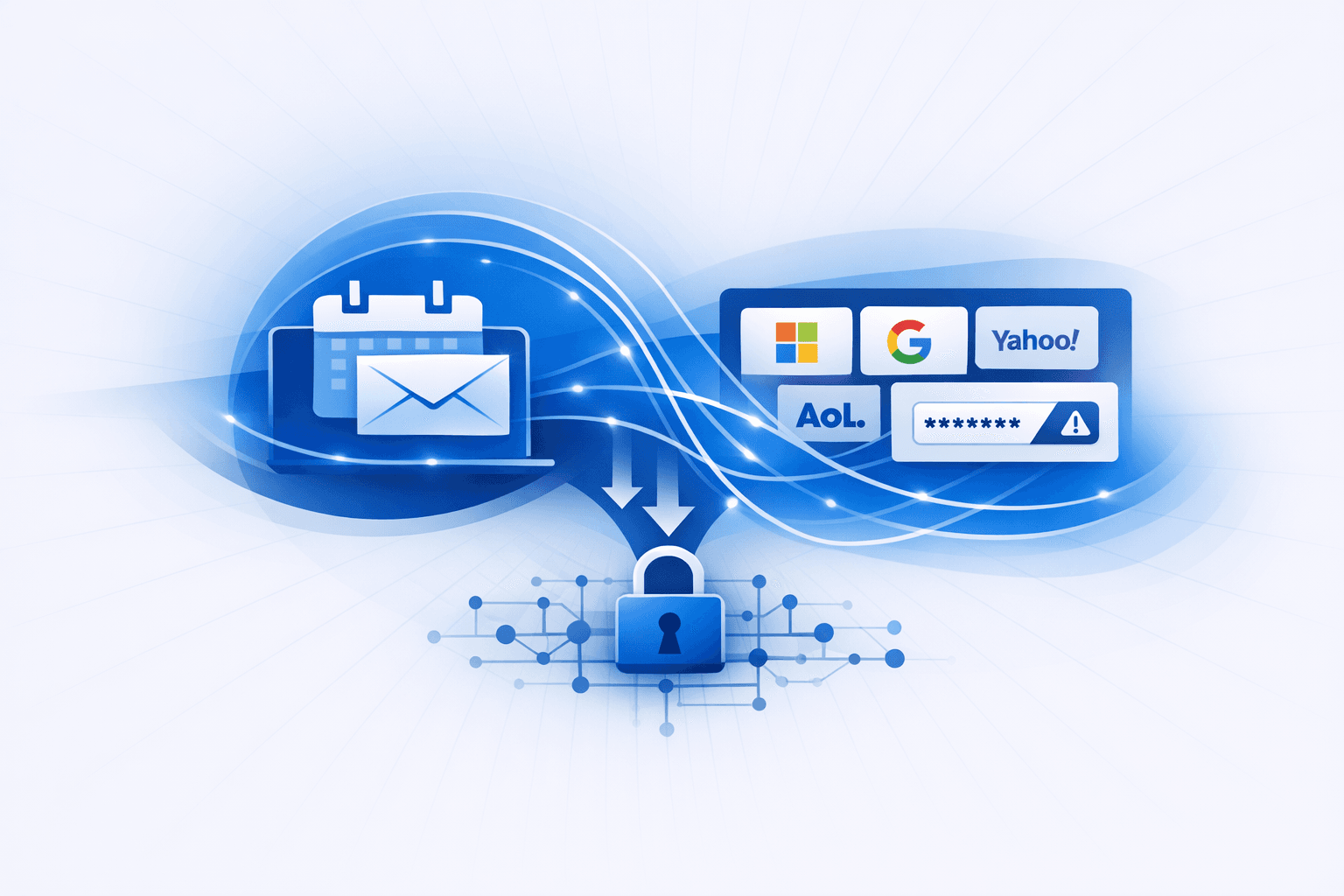
Threat researchers reported multiple phishing-driven intrusions in which attackers impersonate trusted brands and agencies to trick victims into installing legitimate remote monitoring and management (RMM) software for persistent access. In Operation DoppelBrand, financially motivated actor GS7 spoofed Fortune 500 financial and technology brands (including Wells Fargo and USAA) using more than 150 lookalike domains to harvest credentials and exfiltrate data via attacker-controlled Telegram bots; researchers also identified nearly 200 additional domains with short registration terms, automated SSL, wildcard DNS, and brand-specific subdomains supporting the campaign.
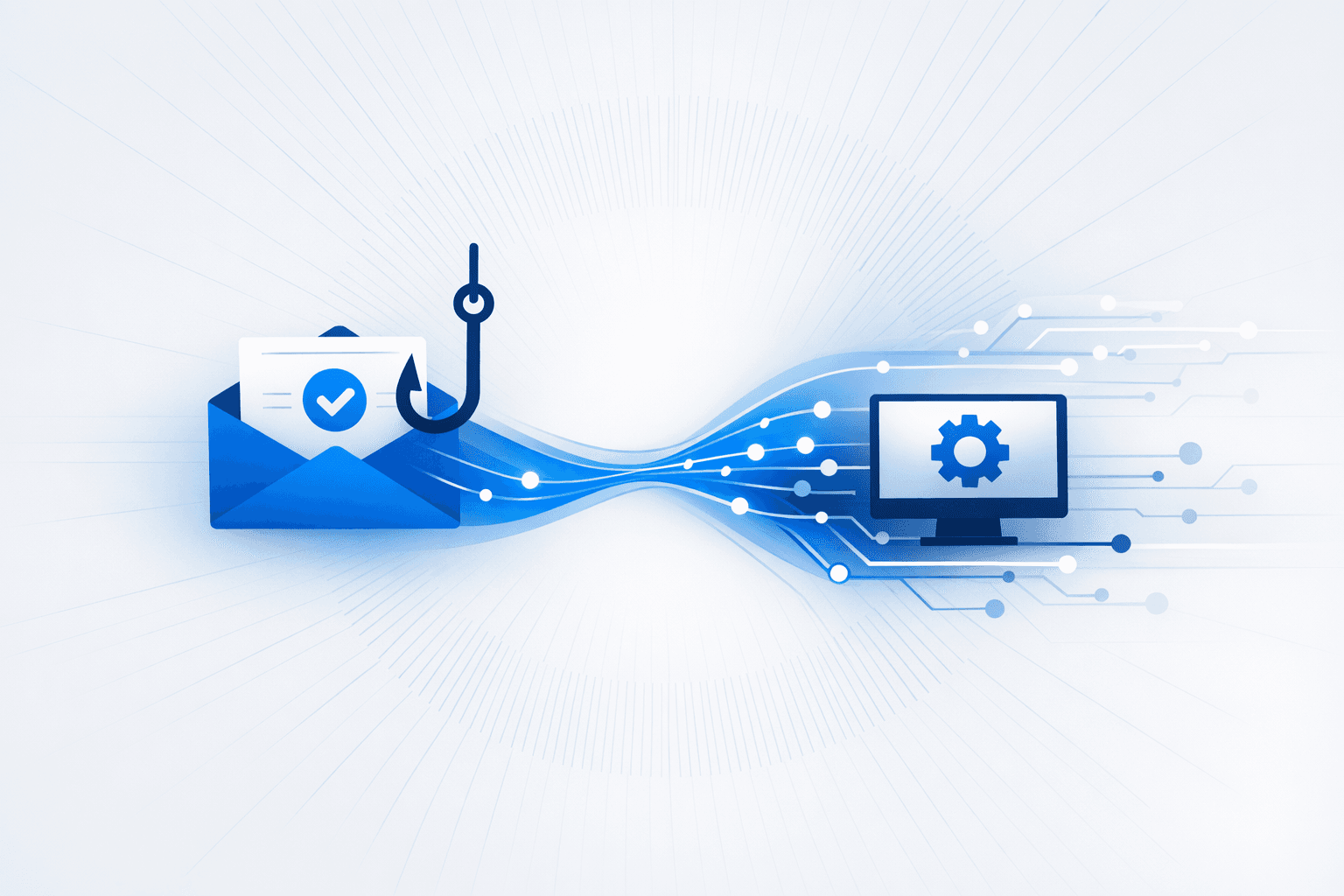
Separately, Forcepoint X-Labs described a wave of emails impersonating the U.S. Social Security Administration that delivers an attached .cmd script to weaken Windows defenses and enable silent installation of ConnectWise ScreenConnect. The script checks/elevates privileges, disables Windows SmartScreen via registry changes, removes Mark-of-the-Web, and uses Alternate Data Streams (ADS) for stealth before installing an MSI and configuring ScreenConnect (via System.config) to beacon to an attacker-controlled server (reported as dof-connecttop on port 8041). Both activity sets highlight a recurring tradecraft pattern: brand impersonation + scripted defense evasion + abuse of legitimate RMM tooling (e.g., LogMeIn Resolve, ScreenConnect) to gain remote control and facilitate follow-on theft or persistence.
Why it matters
Impact assessment
These campaigns affect organizations and users susceptible to phishing, with observed targeting of U.S. financial institutions, investment and insurance firms, and high-value sectors including government, healthcare, and logistics across the US, UK, Canada, and Northern Ireland. Impact is high because attackers use legitimate RMM tools for persistent remote access, credential theft, and data exfiltration, which can lead to account compromise, operational disruption, fraud, and reputational damage.
Exposure appears broad rather than narrowly targeted: researchers documented more than 150 active impersonation domains in Operation DoppelBrand and nearly 200 additional related domains, alongside a separate government-themed phishing wave. Exploitation in the wild is confirmed by both research reports, with active phishing delivery, credential harvesting, Telegram-based exfiltration, and successful installation tradecraft for LogMeIn Resolve and ConnectWise ScreenConnect.
Supporting facts
- Threat actor GS7 was linked to Operation DoppelBrand, a financially motivated phishing campaign active from December 2025 through January 2026.
- Spoofed brands included Wells Fargo, USAA, and other Fortune 500 financial and technology firms.
- GS7 primarily targeted leading U.S. financial organizations, investment companies, and insurance firms.
- Forcepoint reported targeting of organizations in the US, UK, Canada, and Northern Ireland.
- High-value sectors named in the ScreenConnect campaign included government, healthcare, and logistics.
- Business risk includes credential theft, unauthorized remote administration, follow-on data theft, and persistence using trusted remote support software.
- Abuse of legitimate tools increases the chance of user trust, delayed detection, and policy bypass in environments where RMM software is allowed.