Multiple RAT Delivery Campaigns Using Phishing and Trojanized Software
Malware Intelligence · 3 sources · Updated 5mo ago · First seen Jan 21, 2026
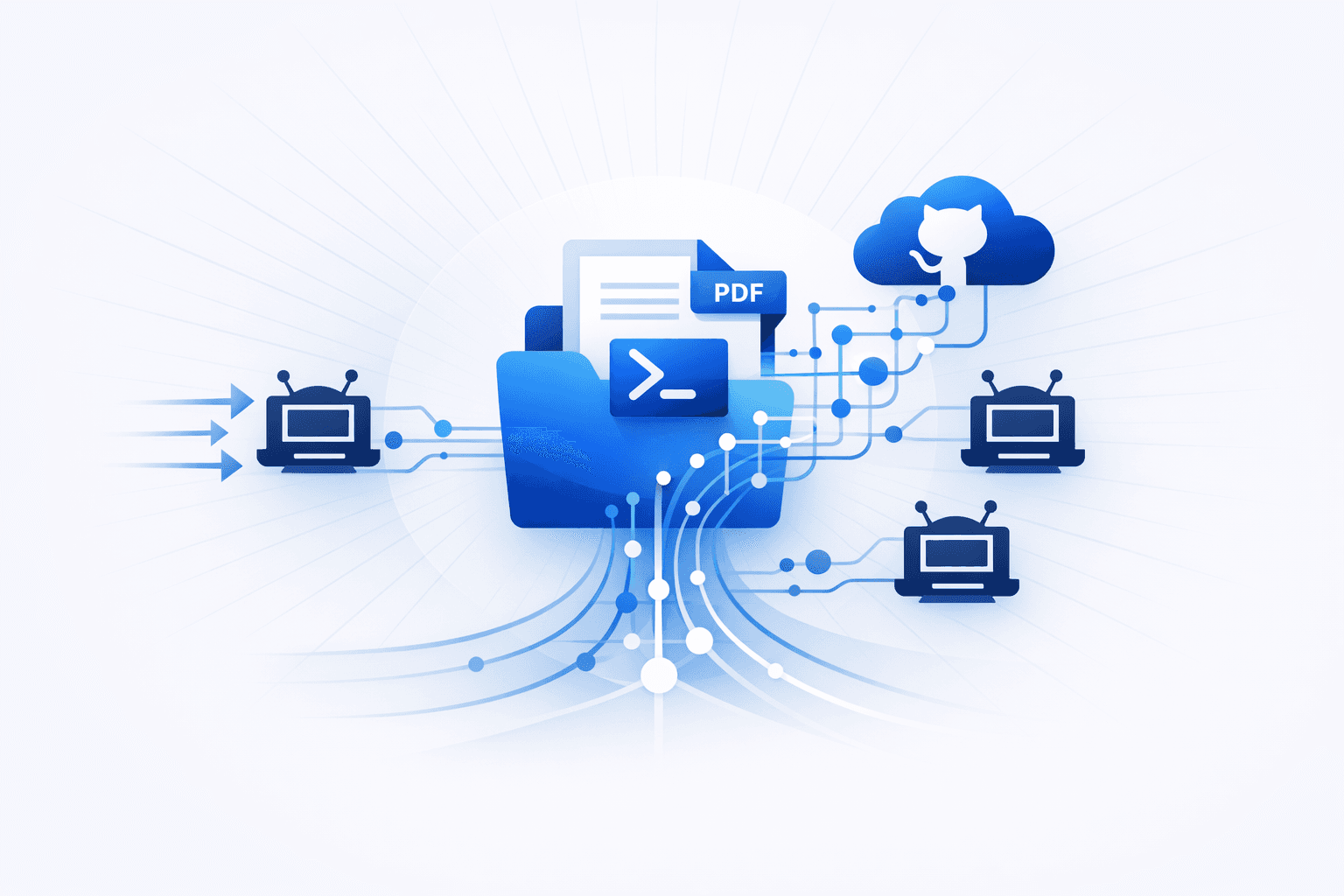
Security researchers reported several unrelated remote access trojan (RAT) delivery campaigns using different initial access vectors and lures. Seqrite Labs described “Operation Covert Access,” a spear‑phishing operation targeting Argentina’s judiciary with a ZIP attachment containing a convincing court-resolution decoy; execution is triggered by a malicious LNK masquerading as a PDF, which launches hidden PowerShell to fetch additional stages from a GitHub repository, culminating in a custom Rust-based RAT that attempts to blend in by renaming itself (e.g., msedge_proxy.exe).
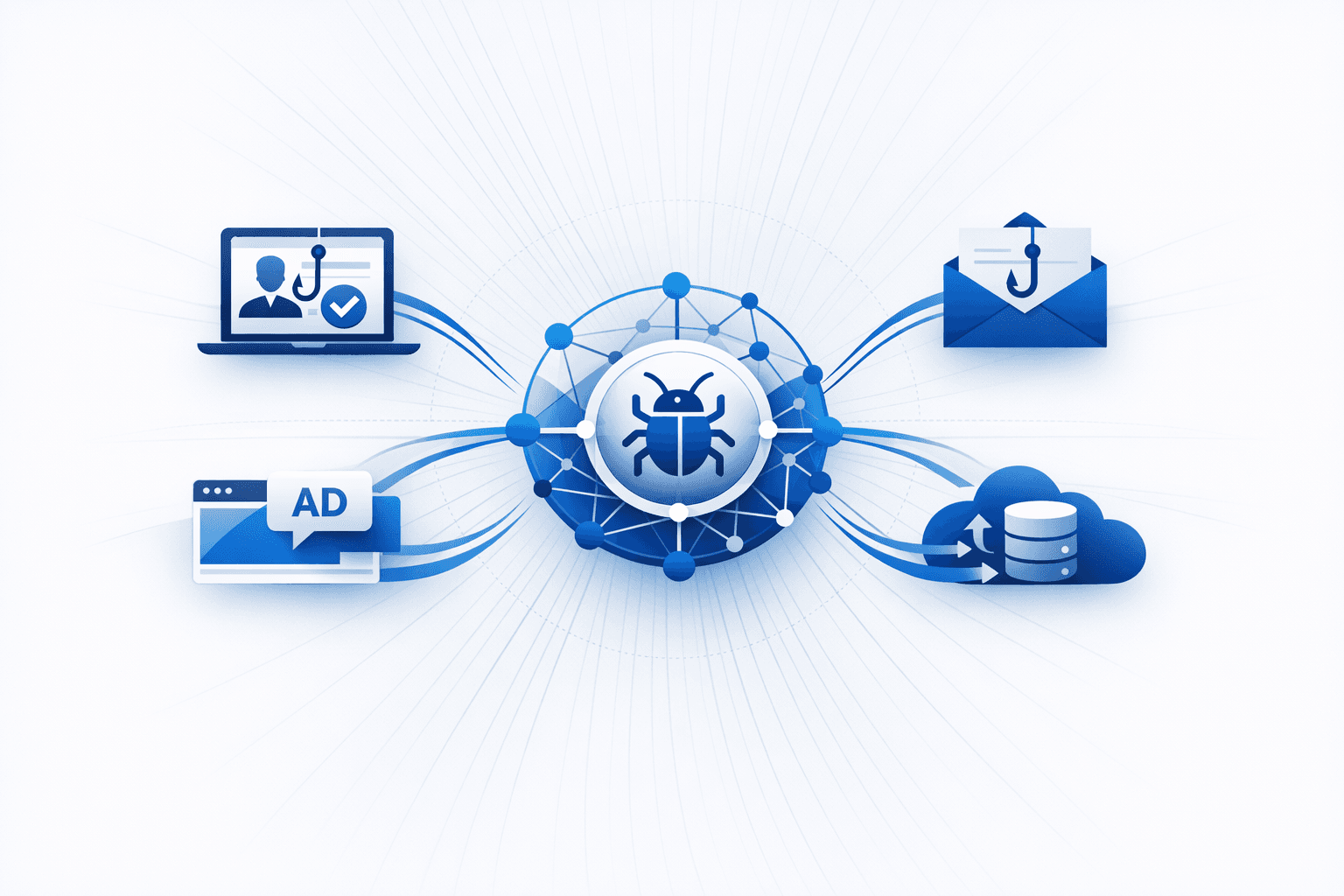
Separately, AhnLab Security Intelligence Center reported South Korea-focused activity distributing RemcosRAT through illegal online gambling-related tools and trojanized VeraCrypt installers, using embedded malicious VBS scripts and a multi-stage chain that ultimately deploys a RAT capable of surveillance and data theft (e.g., keylogging, screenshot/webcam/mic capture, credential/data harvesting). Another campaign documented by ReliaQuest abused LinkedIn private messages to deliver a bundled legitimate application alongside a malicious DLL for DLL sideloading, enabling RAT deployment under the guise of a trusted process; the reporting emphasized that social platforms can serve as effective phishing channels beyond email and that the technique is portable to other commonly used business messaging platforms.
Why it matters
Impact assessment
These campaigns affect government and legal institutions, South Korean users and organizations exposed to unofficial software channels, and corporate personnel such as executives and IT administrators who use LinkedIn for business communication. The impact is high because all three delivery chains lead to RAT deployment, enabling persistent access, surveillance, credential theft, file harvesting, and potential privilege escalation.
The scope is mixed: Operation Covert Access appears targeted at Argentina’s judiciary and legal sector, the Remcos activity is regionally focused on South Korea and users of gambling-related tools or counterfeit installers, and the LinkedIn campaign is broadly portable across corporate environments and other messaging platforms. There are reported real-world delivery campaigns and active intrusion activity, but no CVE-based exploitation is involved in the reporting.
Supporting facts
- Targeted entities: Argentina judicial and legal institutions.
- Targeted users: South Korean users, including illegal sports-betting and casino site users and operators.
- Targeted corporate roles: executives and IT administrators.
- Malware outcomes: persistent remote access, command execution, file harvesting, surveillance, credential and data theft.
- Potential disruption: the Rust RAT includes encryption/decryption commands and references to ransomware-related artifacts, indicating possible dual-use beyond espionage.
- Delivery channels: spear-phishing email, Telegram, web distribution, trojanized installers, and LinkedIn direct messages.
- Exploitation in the wild: yes, researchers reported active campaigns delivering RAT payloads.