Malware Delivery via Deceptive Lures: Malvertising, Fake Recruitment Repos, and Phishing Dropping RATs
Malware Intelligence · 2 sources · Updated 5mo ago · First seen Jan 15, 2026

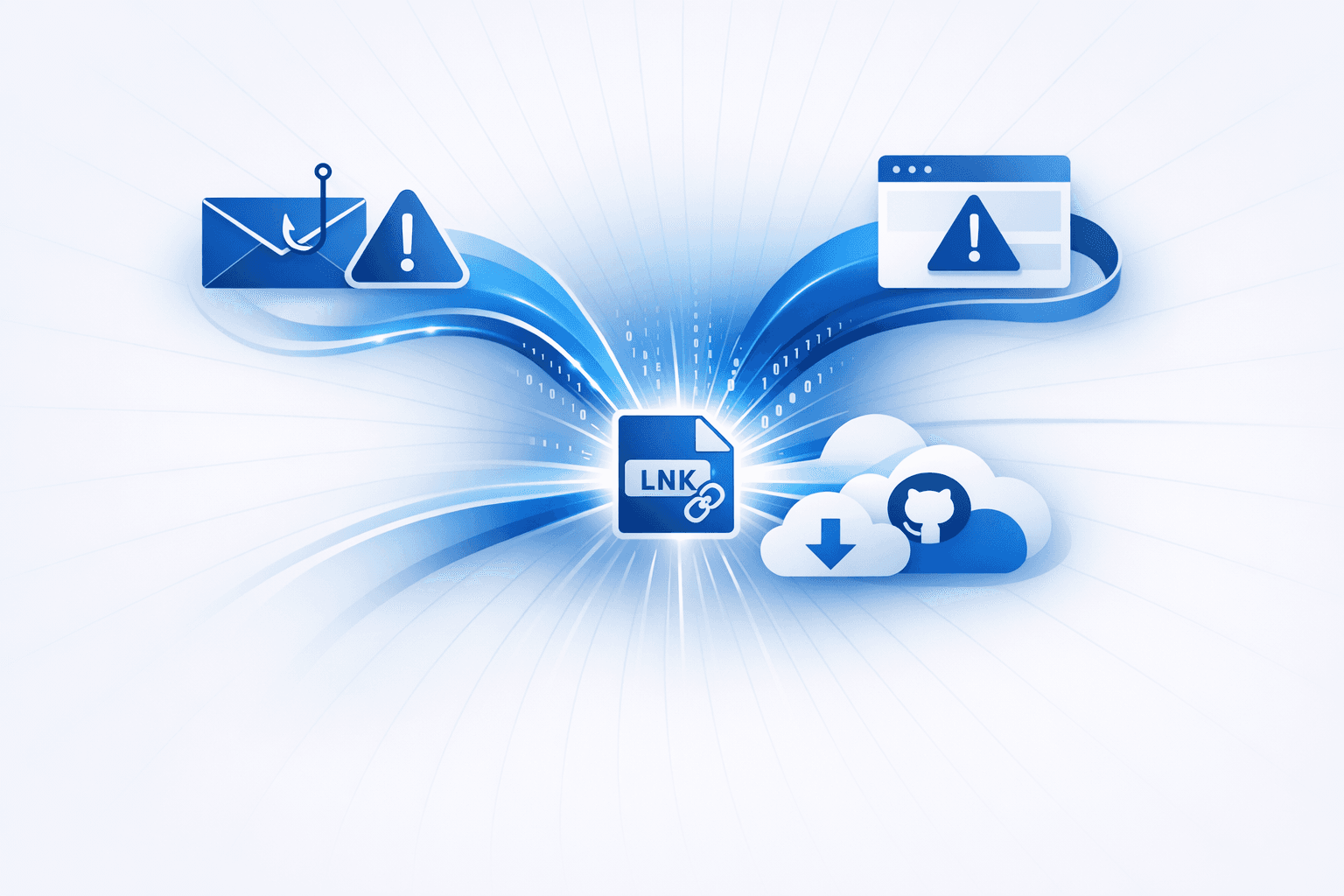
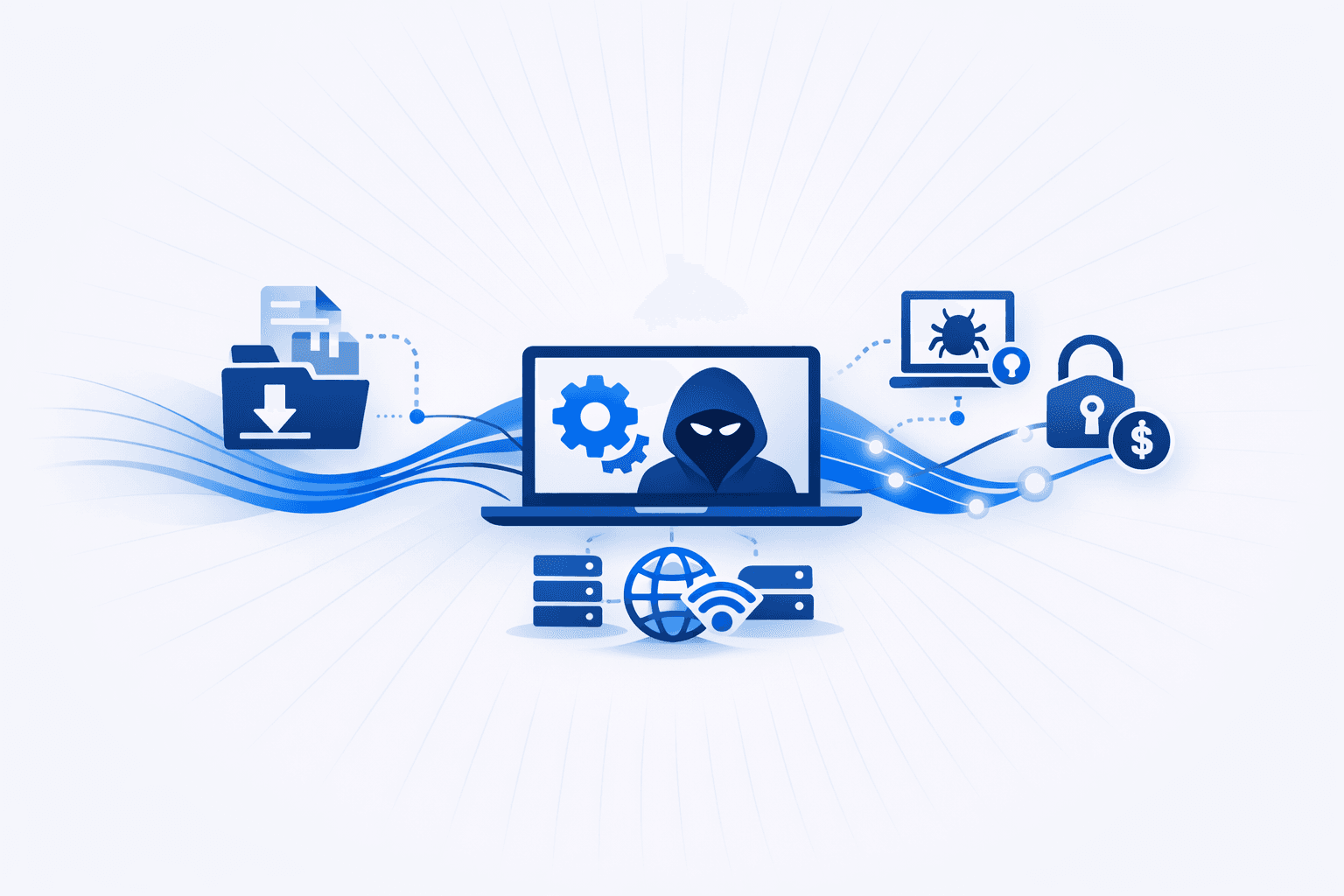
Multiple reports detail social-engineering-driven malware delivery that results in remote access trojans (RATs) and credential theft. Infoblox described observing an affiliate push-notification ad network after exploiting misconfigured DNS delegations (“Sitting Ducks”/lame name server delegation) to take over abandoned threat-actor domains, allowing collection of ~57M logs over two weeks and visibility into widespread scams and brand impersonation delivered via push ads. Nextron Systems separately reported recurring malvertising chains where “free converter” tools (e.g., document/image converters) downloaded from ads on legitimate sites function as advertised while covertly installing persistent RATs, with common artifacts such as Windows Mark-of-the-Web (ZoneId=3) indicating internet origin.
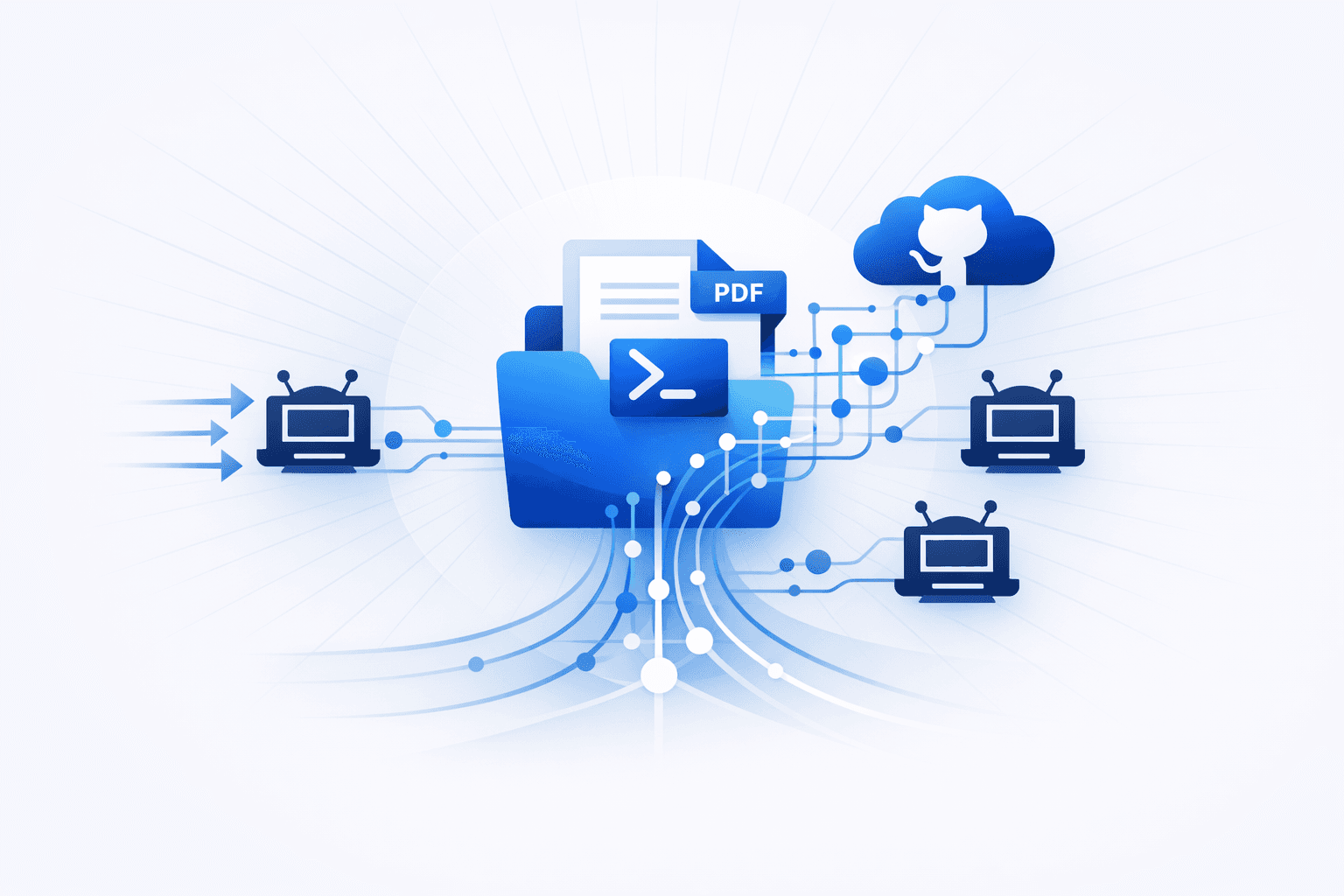
Other activity in the set reflects different initial-access lures but the same general outcome—RAT-style access and data theft. Fortinet analyzed a phishing campaign using a fake Vietnam shipping document: a Word attachment leads to an RTF stage that exploits an RTF-related vulnerability, then uses VBScript/PowerShell to load a fileless .NET module, ultimately downloading and injecting a Remcos variant (including process hollowing) to provide full remote control. Separately, reporting on North Korea’s “Contagious Interview” campaign described fake recruiter outreach (e.g., via LinkedIn) that tricks developers into opening malicious code repositories; execution can be triggered via a hidden VS Code tasks configuration, server-side logic hooks, or a malicious npm dependency to steal credentials/crypto wallets and establish persistence—this is thematically similar (social engineering leading to remote access) but is a distinct operation from the malvertising/push-ad and Remcos phishing activity.
Why it matters
Impact assessment
These campaigns affect enterprises and individuals that rely on web browsing, email attachments, and developer recruiting workflows, with particular risk to Windows endpoints and software developers. The impact is high because the observed outcomes include persistent RAT access, credential theft, crypto-wallet theft, brand impersonation, and follow-on malware execution that can lead to broader compromise and data loss.
The scope is broad rather than narrowly targeted. The Infoblox reporting indicates large-scale scam and impersonation activity visible across roughly 57 million logs in two weeks, while Nextron describes recurring malvertising chains on legitimate sites and Fortinet documents phishing delivering Remcos; the North Korea-linked fake recruiter activity is more targeted at developer populations but still operationally significant.
Supporting facts
- Affected user populations:
- General web users exposed to malvertising and push-notification scams
- Windows users downloading converter or productivity tools
- Organizations receiving phishing attachments
- Developers targeted through fake recruiter outreach and malicious repositories
- Affected industries:
- Cross-sector exposure due to commodity delivery methods
- Elevated risk for technology, software development, and cryptocurrency-adjacent users in recruiter-lure campaigns
- Business impact:
- Persistent unauthorized remote access via RATs
- Credential and wallet theft
- Potential lateral movement and secondary payload delivery through in-memory .NET execution
- Reputational and financial harm from brand impersonation and user fraud
- Scope and exploitation:
- Infoblox observed widespread abuse through a malicious push ad affiliate network after taking over abandoned actor domains tied to misconfigured DNS delegations
- Nextron reports active malvertising-driven infections in the wild
- Fortinet describes active phishing delivery of a Remcos variant
- The fake recruitment repository activity is a distinct operation but demonstrates ongoing real-world exploitation of social-engineering lures