Mallory
← Back to News
extension-plugin-hijacksearch-ad-manipulationremote-access-implantcredential-access-method

Malicious Browser Extensions Used for Enterprise Backdoors and Session Hijacking

Supply Chain Risk · 6 sources · Updated 5mo ago · First seen Jan 19, 2026

Malicious Browser Extensions Used for Enterprise Backdoors and Session Hijacking

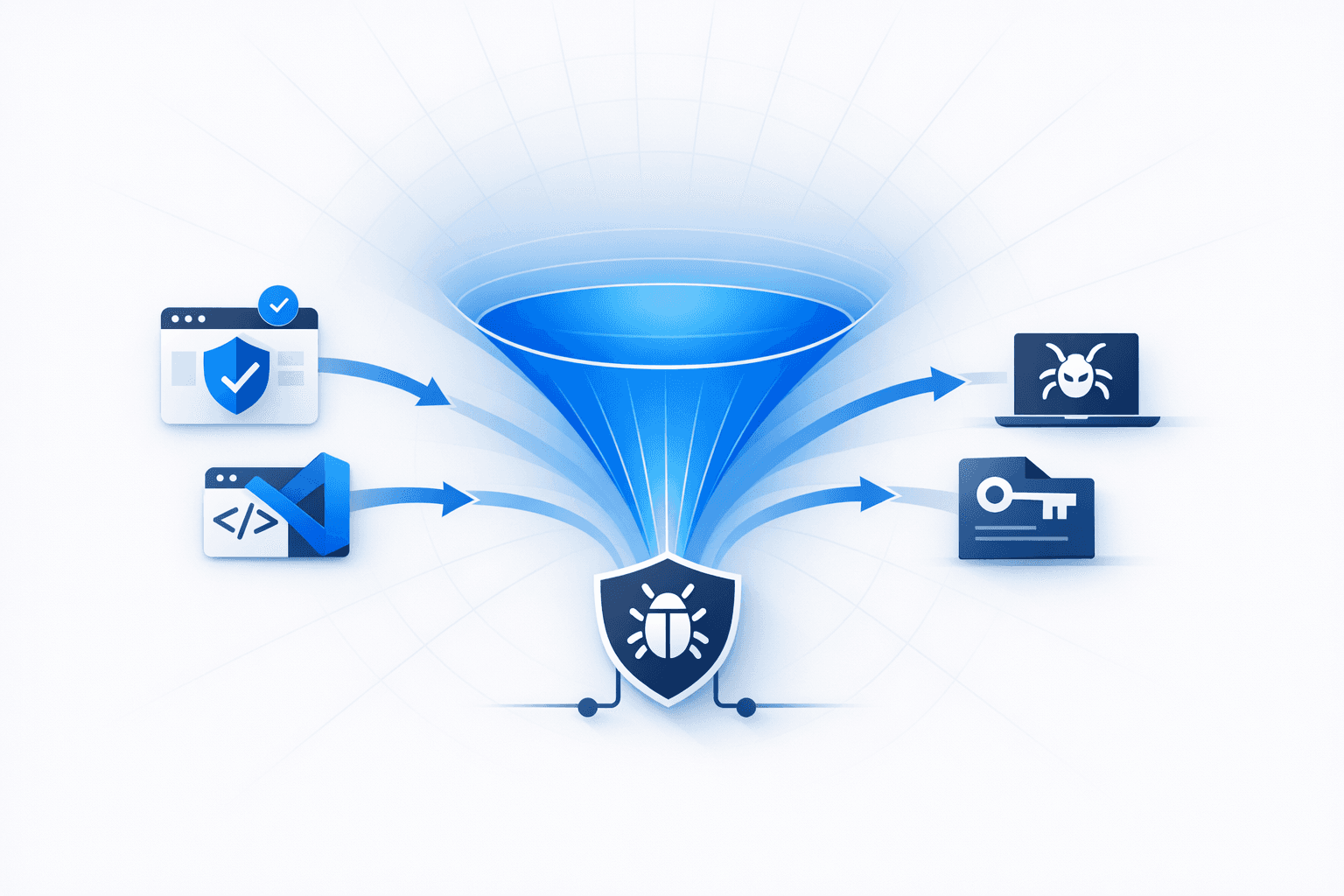
Security researchers reported multiple malicious browser-extension campaigns abusing official extension stores and search-driven lures to compromise enterprise users. Huntress documented a Chrome Web Store extension, “NexShield – Advanced Web Guardian” (a near-clone of uBlock Origin Lite), distributed via search/advertising redirection and designed to intentionally “freeze” the browser and present a fake CrashFix security prompt that instructs users to paste and run commands via Win + R; this social-engineering step results in installation of a previously undocumented Windows RAT dubbed ModeloRAT on domain-joined endpoints. Reporting also tied the delivery to a traffic distribution system (KongTuke, also tracked as 404 TDS/TAG-124 and other aliases) used to profile victims and route them to payload delivery infrastructure that has been leveraged by other criminal operations, including ransomware affiliates.

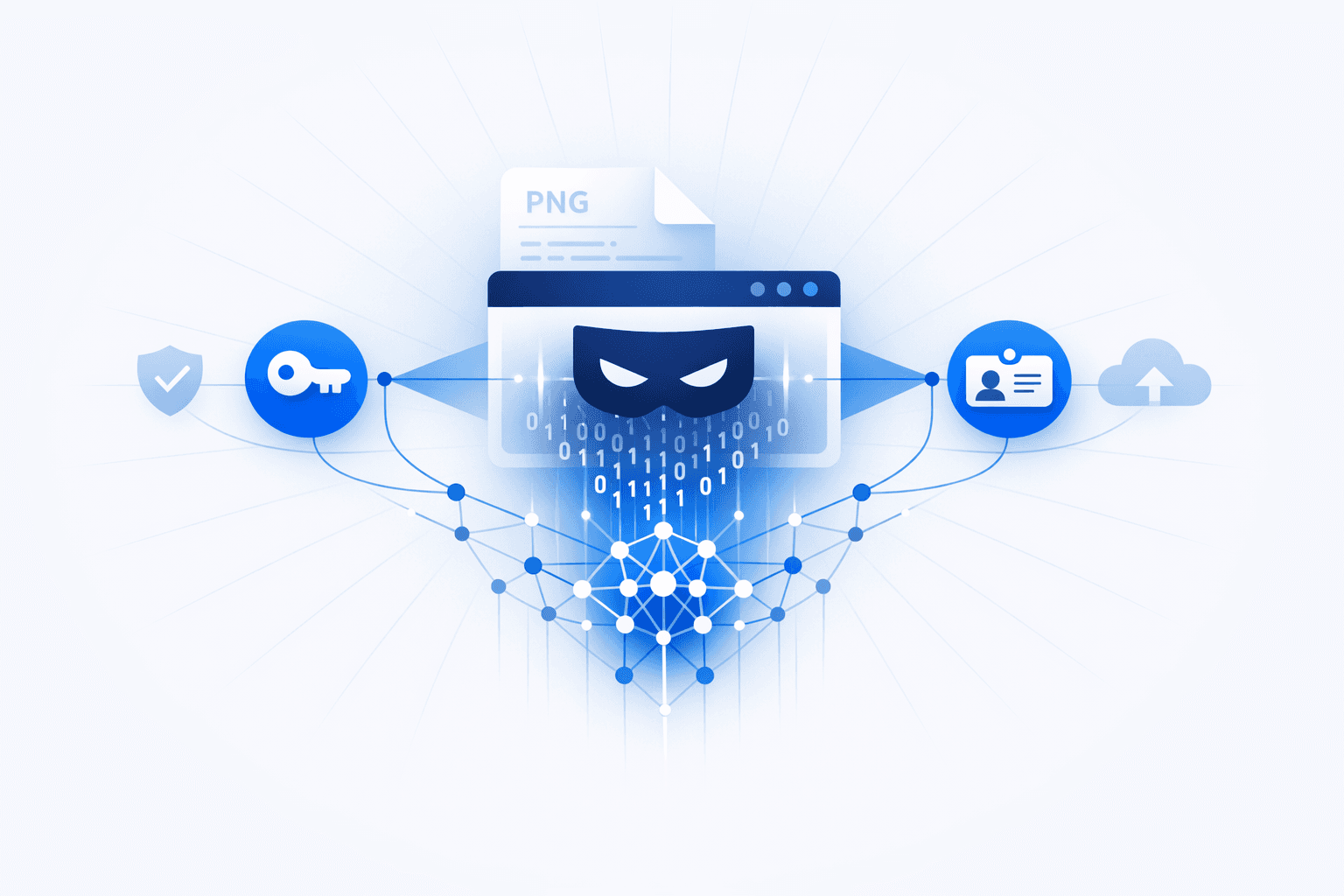
Separately, Socket.dev analysis described five coordinated Chrome extensions targeting enterprise SaaS platforms (Workday, NetSuite, SuccessFactors) to enable account takeover via session hijacking, including continuous token theft and bidirectional cookie injection that can bypass MFA by replaying stolen session cookies. In parallel, Malwarebytes reported “sleeper” extension campaigns attributed to DarkSpectre (including GhostPoster and ShadyPanda) that turned previously benign extensions malicious after updates and used steganography (JavaScript hidden in extension images) to evade detection across Edge, Chrome, and Firefox, with large download counts and long dwell time. A separate Nextron Systems report described a related distribution pattern—malicious “free converter” apps promoted via malicious Google ads and made to look legitimate with code-signing certificates—highlighting the broader trend of search/advertising-driven initial access leading to persistent RAT deployment, though it is not the same extension-specific incident as the NexShield/CrashFix chain.

Why it matters

Impact assessment

Malicious browser extensions in official stores are being used for both endpoint compromise and SaaS account takeover, creating material risk for enterprises that allow unmanaged extension installation. The most exposed populations are users of Chromium-based browsers and organizations relying on browser access to enterprise platforms such as Workday, NetSuite, and SAP SuccessFactors.

The impact ranges from session hijacking and MFA bypass to persistent RAT deployment on domain-joined Windows systems, with likely downstream risks including credential theft, lateral movement, operational disruption, and ransomware follow-on activity. Exposure appears broader than a single targeted intrusion because the extensions were distributed through official stores and search/advertising lures, but some payload logic explicitly prioritizes enterprise endpoints.

Supporting facts

  • Huntress reported the Chrome Web Store extension “NexShield – Advanced Web Guardian” delivered ModeloRAT after a fake browser-crash remediation flow.
  • NexShield was downloaded at least 5,000 times before removal.
  • Socket identified five coordinated malicious Chrome extensions targeting enterprise SaaS users; they were collectively downloaded by about 2,300 users.
  • The SaaS-focused extensions targeted Workday, NetSuite, and SAP SuccessFactors.
  • Huntress assessed NexShield prioritized domain-joined machines, indicating deliberate enterprise targeting.
  • The KongTuke/404 TDS/TAG-124 infrastructure used in the CrashFix chain has reportedly been leveraged by other criminal operations, including Rhysida, Interlock, and TA866.
  • Malwarebytes-linked DarkSpectre campaigns affected Edge, Chrome, and Firefox through sleeper extensions and malicious updates, with 17 additional extensions totaling more than 840,000 downloads.
  • Known exploitation in the wild is established by active campaign reporting across multiple vendors and confirmed malicious extensions published in official browser stores.

Does this reach your builds?Trace attribution and downstream blast radius.
Trace the chain
Event timeline

How this story unfolded

Events from the most recent confirmed update back to the earliest known activity.

10 events · Jan 19, 2026
  1. Jan 19, 202610mo ago

    Microsoft documents CrashFix as an escalation in ClickFix tradecraft

    Microsoft later characterized CrashFix as a notable escalation of ClickFix-style social engineering and described additional post-compromise behavior, including native-command reconnaissance and delivery of a ZIP containing a Python payload and interpreter with scheduled-task persistence.

  2. Jan 19, 202610mo ago

    CrashFix chain is found delivering the new ModeloRAT malware

    Researchers said the CrashFix infection flow used living-off-the-land tools and staged PowerShell payloads to profile hosts, perform anti-analysis checks, and selectively deploy a previously undocumented Python-based Windows RAT called ModeloRAT, especially on domain-joined systems.

  3. Jan 19, 202610mo ago

    Huntress discloses CrashFix campaign using NexShield extension

    Huntress reported an active KongTuke campaign using a malicious Chrome Web Store extension named NexShield, a near-clone of uBlock Origin Lite, to intentionally freeze browsers and display fake crash-recovery prompts. The lures coerced victims into pasting and running attacker-supplied commands from the Windows Run dialog.

  4. Jan 19, 202610mo ago

    Malicious HR/ERP extensions reach about 2,300 Chrome Web Store users

    The five enterprise-themed malicious extensions were reported as available through the Chrome Web Store and collectively downloaded by roughly 2,300 users, indicating meaningful exposure among enterprise users.

  5. Jan 19, 202610mo ago

    Socket identifies five Chrome extensions targeting HR and ERP platforms

    Socket.dev analysts uncovered a coordinated campaign of five malicious Chrome extensions impersonating enterprise productivity tools for platforms such as Workday, NetSuite, and SAP SuccessFactors. The extensions stole authentication cookies, supported cookie injection for session hijacking, and blocked access to key security administration pages.

  6. Jan 19, 202610mo ago

    Browser vendors remove DarkSpectre-linked malicious extensions

    Mozilla and Microsoft removed identified malicious add-ons from their stores, and Google confirmed removal from the Chrome Web Store, though already-installed extensions could remain active until manually uninstalled.

  7. Date unknown

    Researchers link 17 more extensions to DarkSpectre activity

    Follow-on research attributed 17 additional browser extensions to the same DarkSpectre-linked activity cluster, bringing the total to extensions with more than 840,000 downloads, some active for up to five years.

  8. Date unknown

    ShadyPanda extensions turn malicious after years of benign behavior

    In the ShadyPanda campaign, browser extensions that had behaved normally for years were updated to begin tracking browsing activity and executing malicious code in users' browsers.

  9. Date unknown

    GhostPoster expands from Edge to Chrome and Firefox

    The GhostPoster extension campaign later broadened to Chrome and Firefox, publishing add-ons through official browser stores and refining its payload-hiding methods to decode and decrypt malicious code at runtime.

  10. Date unknown

    GhostPoster campaign begins targeting Microsoft Edge users

    Malicious browser extensions associated with the GhostPoster activity reportedly first appeared on Microsoft Edge, using benign utility themes and later evolving steganographic techniques to hide JavaScript payloads in image assets.

Linked entities

Related entities

Vulnerabilities, threat actors, malware, products, organizations, breaches, and observables Mallory has linked to this story. Indicator values are masked here and available in full in the app.

Open in app →

Malware

2 linked

Affected products

1 linked
Workday

Organizations

2 linked
WorkdayNetSuite

Observables

6 linked

Indicator values are masked on this page. See the values in Mallory Domains, IPs, hashes, and URLs are exportable to your SIEM.

Do you run this?See attribution and downstream blast radius, and whether this package or vendor reaches your builds.
Trace the Supply Chain
Mallory platform

See the full picture, correlated to your attack surface.

This page covers what’s public. Mallory adds the parts that aren’t: which of your assets are affected, which threat actors are using it right now, and what to deploy next.

Exposure mappingMap indicators from this story to your assets and identify affected systems in minutes.
Threat actor evidenceEvery observed campaign, victim, and pivot linked to actors named in this story.
Associated malwareMalware, exploits, and IOCs connected to the activity described here.
Detection signaturesYARA, Sigma, and Snort rules deployed to your SIEM as soon as they’re published.
Scheduled alertsGet matching new stories delivered to your team as they break, not the next morning.
AI threadsAsk questions about this story and take action on the answers.