Malicious Browser Extensions Used for Stealthy Data Theft and Account Takeover
Supply Chain Risk · 2 sources · Updated 5mo ago · First seen Jan 16, 2026
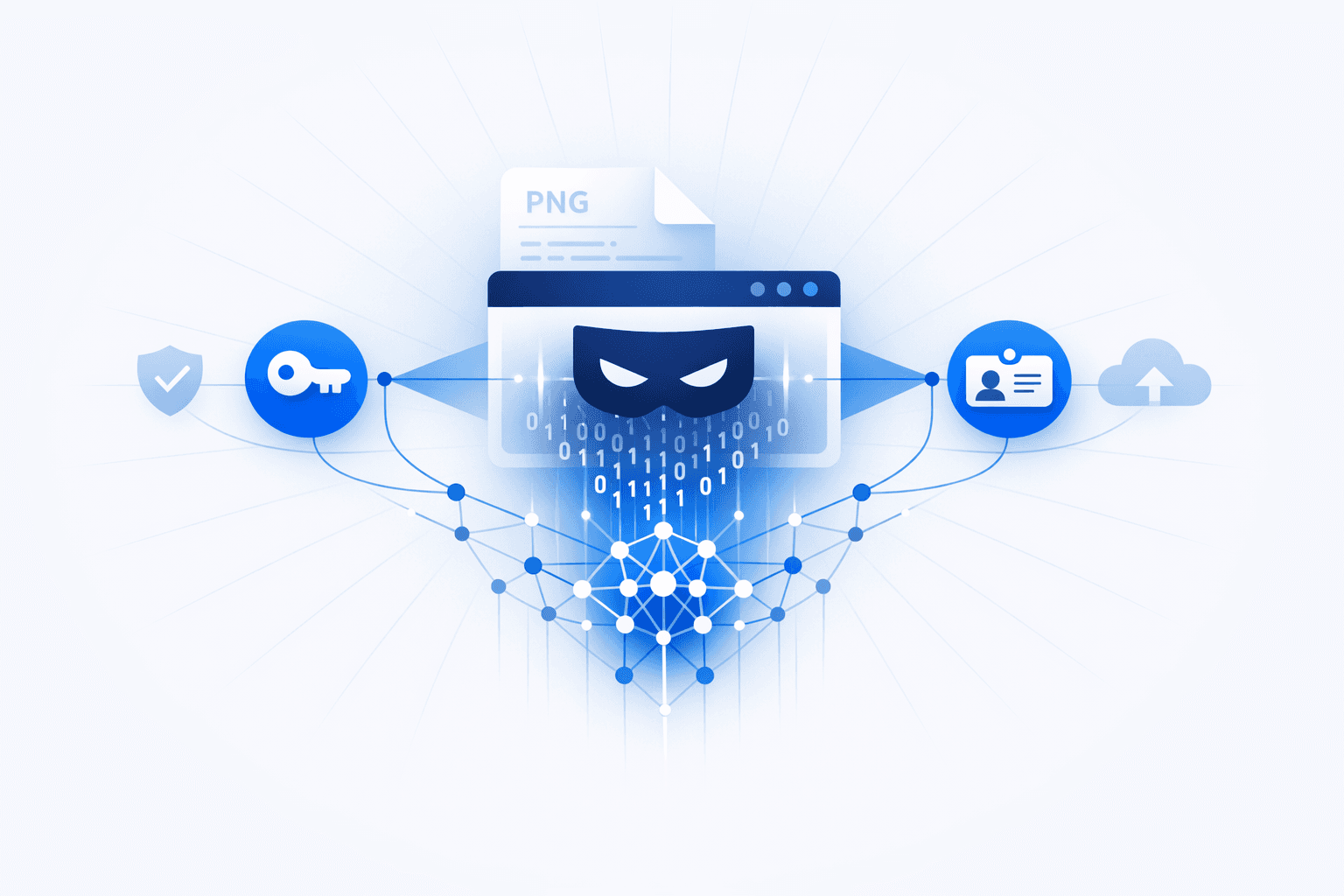
Researchers reported multiple malicious browser extension campaigns abusing official add-on ecosystems to steal data and hijack accounts. One operation tracked as GhostPoster hid malicious logic inside seemingly benign PNG image files, a technique used to evade typical extension review and static checks; follow-on infrastructure analysis linked the activity to at least 17 additional extensions using the same backend and tactics, with ~840,000 installs and some extensions active for up to five years. The campaign reportedly started on Microsoft Edge and later expanded to Chrome and Firefox, emphasizing stealth and long-term persistence over rapid spread.
Separately, Socket researchers identified five malicious Chrome extensions impersonating enterprise platforms (Workday, NetSuite, SuccessFactors) to enable session hijacking and account takeover. The extensions were described as working together to steal authentication tokens/cookies, block incident response by manipulating the DOM to interfere with security administration pages, and perform cookie injection to take over sessions; most were removed from the Chrome Web Store but remained available via third-party download sites. In response to the broader extension abuse, Mozilla and Microsoft removed identified add-ons from their marketplaces, but already-installed extensions remain a risk and require manual removal.
Why it matters
Impact assessment
Malicious browser extensions in official and third-party ecosystems create direct risk to enterprises and individual users relying on Chrome, Edge, and Firefox, especially organizations using Workday, NetSuite, and SuccessFactors. Impact includes theft of authentication cookies and tokens, session hijacking, account takeover, and interference with incident response workflows by blocking access to security administration pages.
The scope is significant rather than isolated. The GhostPoster-linked activity and related add-ons reached more than 840,000 installs across multiple browsers and remained active for up to five years, indicating long-term exposure and likely under-detection. The Chrome-focused enterprise impersonation cluster appears more targeted, but it enables high-impact compromise of business accounts and can delay containment by obstructing remediation interfaces.
Supporting facts
- Affected products and ecosystems:
- Microsoft Edge, Google Chrome, Mozilla Firefox extension ecosystems
- Google Chrome extensions impersonating Workday, NetSuite, and SuccessFactors tools
- Affected populations:
- Enterprise users of HR/ERP platforms
- Organizations allowing unmanaged or lightly governed browser extensions
- Users who installed removed extensions and have not manually uninstalled them
- Severity drivers:
- Authentication cookie/token theft
- Session hijacking and account takeover
- DOM manipulation to block security/admin pages
- Long dwell time and stealth-focused persistence
- Scope and exposure:
- 17 additional extensions linked by LayerX to GhostPoster infrastructure and tactics
- Approximately 840,000 installs across the broader campaign
- Some malicious extensions active for up to five years
- More advanced variant accounted for 3,822 installs
- Known in-the-wild activity:
- Researchers reported active malicious campaigns, not theoretical abuse
- Mozilla and Microsoft removed identified add-ons from marketplaces
- Chrome Web Store listings were removed, but third-party download availability persisted for some extensions
- Already-installed extensions remain a risk until manually removed