Mallory
← Back to News
extension-plugin-hijackcredential-stealer-activitypersistence-methodidentity-authentication-vulnerability

Malicious Browser Extensions Abusing Enterprise Platforms and Ad Fraud at Scale

Supply Chain Risk · 3 sources · Updated 5mo ago · First seen Jan 19, 2026

Malicious Browser Extensions Abusing Enterprise Platforms and Ad Fraud at Scale

Security researchers reported multiple malicious browser extension operations abusing official add-on stores. Socket identified five Chrome Web Store extensions impersonating productivity/security tools for Workday, NetSuite, and SAP SuccessFactors, installed over 2,300 times, that performed credential theft and session abuse via cookie exfiltration, cookie injection for session hijacking, and DOM manipulation to block security/incident-response administration pages; the extensions appeared under different publisher names but shared code structure, targeting logic, and infrastructure, indicating coordinated activity.

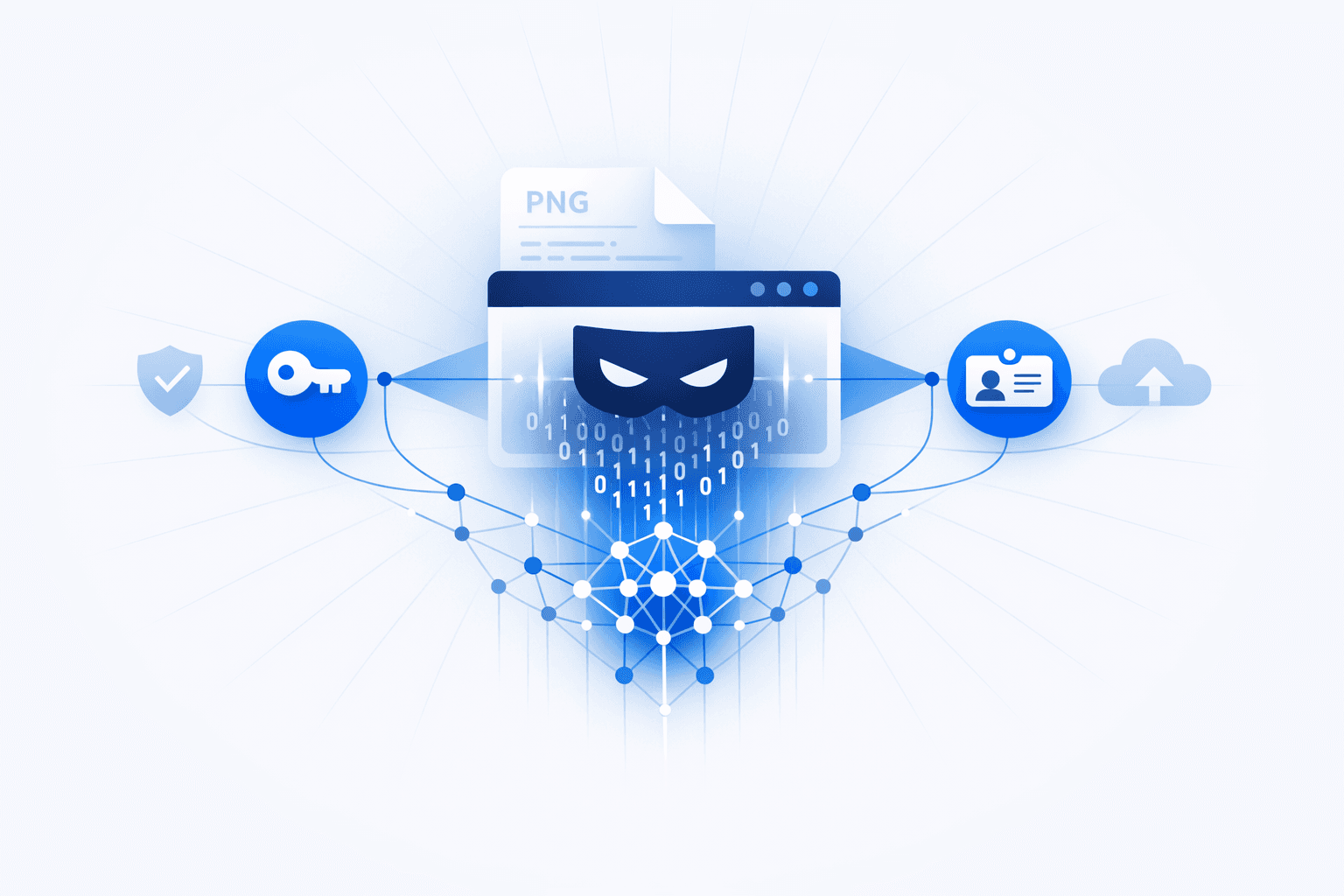
Separately, LayerX documented continued activity in the GhostPoster campaign across Chrome, Firefox, and Edge, adding 17 more extensions with a combined ~840,000 installs. The extensions concealed malicious JavaScript in image assets (e.g., logo files) to fetch an obfuscated payload that monitored browsing, planted a backdoor, hijacked affiliate links, and injected invisible iframes to drive ad/click fraud; LayerX assessed the operation likely originated in the Edge ecosystem and later expanded, with some extensions reportedly present since 2020, suggesting long-lived persistence despite prior public exposure by Koi Security.

Why it matters

Impact assessment

Malicious browser extensions are affecting both enterprise users of HR/ERP platforms and broad consumer browser populations across Chrome, Firefox, and Edge. The enterprise-focused activity creates direct account-takeover risk for Workday, NetSuite, and SAP SuccessFactors tenants, while the GhostPoster activity drives large-scale ad fraud, browsing surveillance, and persistent browser compromise.

The severity is high for organizations using targeted enterprise platforms because stolen session cookies can bypass normal authentication workflows and enable unauthorized access, data theft, and follow-on ransomware activity. Scope is mixed: the HR/ERP extension cluster appears targeted but operationally significant, while GhostPoster is widespread with roughly 840,000 installs and evidence of long-lived exposure since 2020.

Supporting facts

  • Targeted enterprise platforms: Workday, NetSuite, SAP SuccessFactors.
  • Enterprise extension cluster: 5 malicious Chrome Web Store extensions with more than 2,300 installs.
  • Consumer/widespread extension cluster: 17 GhostPoster-linked extensions across Chrome, Firefox, and Edge with about 840,000 installs.
  • Enterprise impact mechanisms:
    • Theft of active __session authentication cookies.
    • Session hijacking through attacker-controlled cookie injection.
    • Blocking of Workday security and incident-response pages via DOM manipulation.
  • Business consequences:
    • Unauthorized access to enterprise SaaS platforms.
    • Potential data theft and administrative lockout during incident response.
    • Fraud monetization through affiliate hijacking and invisible iframe-based ad/click fraud.
    • Reputational and financial exposure from compromised HR/ERP environments.
  • Known in-the-wild activity:
    • Researchers documented active malicious extensions in official browser stores.
    • GhostPoster remained active after prior public disclosure.
    • Some GhostPoster extensions reportedly persisted in stores since 2020.
Does this reach your builds?Trace attribution and downstream blast radius.
Trace the chain
Event timeline

How this story unfolded

Events from the most recent confirmed update back to the earliest known activity.

7 events · Jan 1, 2020 – Jan 17, 2026
  1. Jan 17, 202611mo ago

    Google removes reported HR-platform credential-stealing extensions

    Socket said it reported the malicious HR/ERP-themed Chrome extensions to Google, and they appeared to have been removed from the Chrome Web Store at the time of publication. Affected users were advised to alert administrators and change passwords.

  2. Jan 17, 202611mo ago

    Socket uncovers Chrome extensions targeting HR and ERP platforms

    Socket identified five malicious Chrome Web Store extensions masquerading as tools for Workday, NetSuite, and SAP SuccessFactors, with more than 2,300 installs. The extensions stole authentication cookies, interfered with security administration pages, and in one case enabled session hijacking through attacker-supplied cookie injection.

  3. Jan 17, 202611mo ago

    Browser vendors remove newly identified GhostPoster extensions

    By the time of reporting, Mozilla and Microsoft no longer hosted the newly identified GhostPoster extensions, and Google confirmed their removal from the Chrome Web Store. Previously installed users were still considered at risk.

  4. Jan 17, 202611mo ago

    LayerX identifies 17 more GhostPoster extensions

    Researchers reported 17 additional malicious extensions tied to GhostPoster across the Chrome, Firefox, and Microsoft Edge stores, bringing the known total to about 840,000 installs. They also documented an evolved technique in the 'Instagram Downloader' extension that moved staging into the background script and used a bundled image as a covert payload container.

  5. Jan 11, 202611mo ago

    Malwarebytes-themed infostealer campaign is observed

    Researchers observed a campaign from January 11 to January 15, 2026 in which threat actors distributed ZIP archives impersonating Malwarebytes installers. The files used DLL sideloading to launch a malicious CoreMessaging.dll and deploy infostealers targeting browser credentials and cryptocurrency wallets.

  6. Dec 1, 20251y ago

    Koi Security first discloses the GhostPoster campaign

    In December 2025, Koi Security publicly disclosed the GhostPoster browser-extension campaign, which hid malicious JavaScript in image assets to monitor browsing and support fraud-related activity.

  7. Jan 1, 20207y ago

    Some GhostPoster extensions appear in browser stores

    LayerX reported that some browser extensions later tied to the GhostPoster campaign had been present in extension stores since 2020, indicating the activity predates its public disclosure by several years.

Linked entities

Related entities

Vulnerabilities, threat actors, malware, products, organizations, and breaches Mallory has linked to this story.

Open in app →

Affected products

1 linked
Workday

Organizations

4 linked
SAP SEWorkdayOracle CorporationOracle NetSuite
Do you run this?See attribution and downstream blast radius, and whether this package or vendor reaches your builds.
Trace the Supply Chain
Mallory platform

See the full picture, correlated to your attack surface.

This page covers what’s public. Mallory adds the parts that aren’t: which of your assets are affected, which threat actors are using it right now, and what to deploy next.

Exposure mappingMap indicators from this story to your assets and identify affected systems in minutes.
Threat actor evidenceEvery observed campaign, victim, and pivot linked to actors named in this story.
Associated malwareMalware, exploits, and IOCs connected to the activity described here.
Detection signaturesYARA, Sigma, and Snort rules deployed to your SIEM as soon as they’re published.
Scheduled alertsGet matching new stories delivered to your team as they break, not the next morning.
AI threadsAsk questions about this story and take action on the answers.