Recent Ransomware and Malware Campaigns Targeting Organizations and Individuals
Threat Actor Intelligence · 6 sources · Updated 5mo ago · First seen Dec 10, 2025
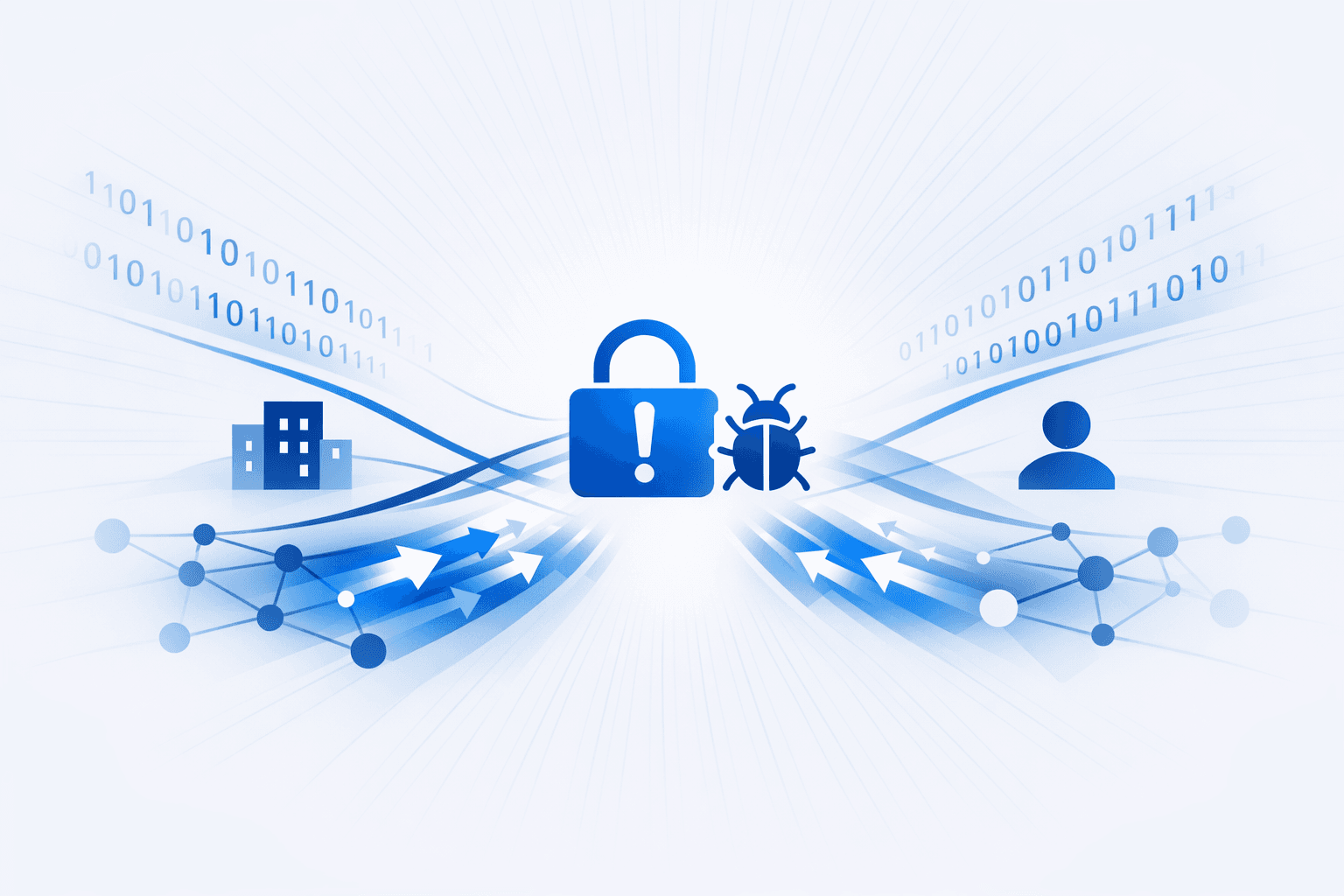
A surge in sophisticated cyberattacks has been observed, with threat actors employing a variety of tactics to compromise organizations and individuals. Notable incidents include the use of the BYOVD (Bring Your Own Vulnerable Driver) technique to deploy DeadLock ransomware, as well as targeted campaigns leveraging phishing emails with HR-related lures to distribute Remcos RAT malware. Additionally, attackers are exploiting popular movie torrents to spread Agent Tesla via layered PowerShell scripts, and Android users in Spain are being targeted by the DroidLock ransomware, which can hijack devices and demand ransom through full-screen overlays. These campaigns demonstrate a trend toward multi-stage infection chains, abuse of legitimate tools and drivers, and the use of social engineering to increase the likelihood of successful compromise.
Other significant developments include the targeting of Canadian organizations by the STAC6565/Gold Blade group using QWCrypt ransomware, and the emergence of new threat actor tactics such as disabling endpoint detection and response (EDR) systems to facilitate ransomware deployment. The threat landscape is further complicated by the activities of groups like Scattered Lapsus$ Hunters, who use social engineering and typosquatted domains to compromise Zendesk users, and the exposure of internal dynamics within ransomware groups like BlackBasta, revealing operational stress and internal mistrust. These incidents underscore the evolving nature of cyber threats, the blending of espionage and financial motives, and the increasing sophistication of both technical and social attack vectors.
Why it matters
Impact assessment
This story describes multiple active malware and ransomware campaigns affecting both enterprises and individual users, with the highest business risk concentrated in Windows enterprise environments, help-desk workflows, HR/recruiting processes, and organizations with exposed remote administration paths or hypervisor infrastructure. Impact ranges from credential theft and endpoint compromise to full ransomware-driven operational disruption, with confirmed successful deployments in the wild for DeadLock and QWCrypt and active social-engineering campaigns delivering Remcos RAT and credential phishing against Zendesk users.
Affected populations and sectors
- Enterprise Windows environments targeted by DeadLock ransomware.
- Canadian organizations were the primary focus of STAC6565/Gold Blade activity; additional targeting included the U.S., Australia, and the U.K.
- Sectors named in STAC6565 activity: services, manufacturing, retail, technology, NGOs, and transportation.
- HR teams, recruiters, and employees handling resumes or internal HR notices are specifically exposed to phishing lures.
- Zendesk-using organizations and support/help-desk personnel are targeted by Scattered Lapsus$ Hunters.
- Individual Windows users downloading pirated movie torrents are targeted by Agent Tesla delivery chains.
- Android users in Spain are mentioned in the story summary as targets of DroidLock ransomware, but no supporting technical reference is provided in the source set.
Severity and business consequences
- DeadLock and QWCrypt can cause widespread encryption, recovery inhibition, service disruption, and business downtime.
- Remcos RAT and Agent Tesla enable credential theft, surveillance, and follow-on compromise.
- Zendesk-themed phishing and typosquatting can lead to account takeover, support-channel abuse, endpoint infection, data theft, and extortion.
- Hypervisor-targeted ransomware activity increases blast radius by enabling rapid impact across many hosted workloads.
- BYOVD-based EDR suppression materially reduces defenders’ ability to detect and contain intrusions before encryption.
Scope and observed exploitation
- Exploitation in the wild is confirmed across several campaigns.
- Cisco Talos observed DeadLock intrusions with hands-on-keyboard activity and ransomware deployment.
- Sophos-linked reporting cited three successful QWCrypt deployments in April and July 2025 after broader intrusion activity across nearly 40 cases.
- Seqrite observed an active phishing campaign distributing Remcos RAT.
- ReliaQuest identified more than 40 Zendesk-related typosquatted or impersonating domains used in ongoing social-engineering operations.
- Bitdefender documented an active Agent Tesla campaign using a fake torrent lure, though the infection chain analyzed appeared specific to that torrent sample.
Entities and actor names
- DeadLock ransomware operator
- STAC6565
- Gold Blade
- Earth Kapre
- RedCurl
- Red Wolf
- Scattered Lapsus$ Hunters
- BlackBasta
- BlackLock
- EncryptHub
- Remcos RAT
- Agent Tesla
- QWCrypt
- RedLoader
- Terminator