Ransomware Attacks and Response in the Manufacturing and Logistics Sectors
Threat Actor Intelligence · 2 sources · Updated 5mo ago · First seen Oct 11, 2025

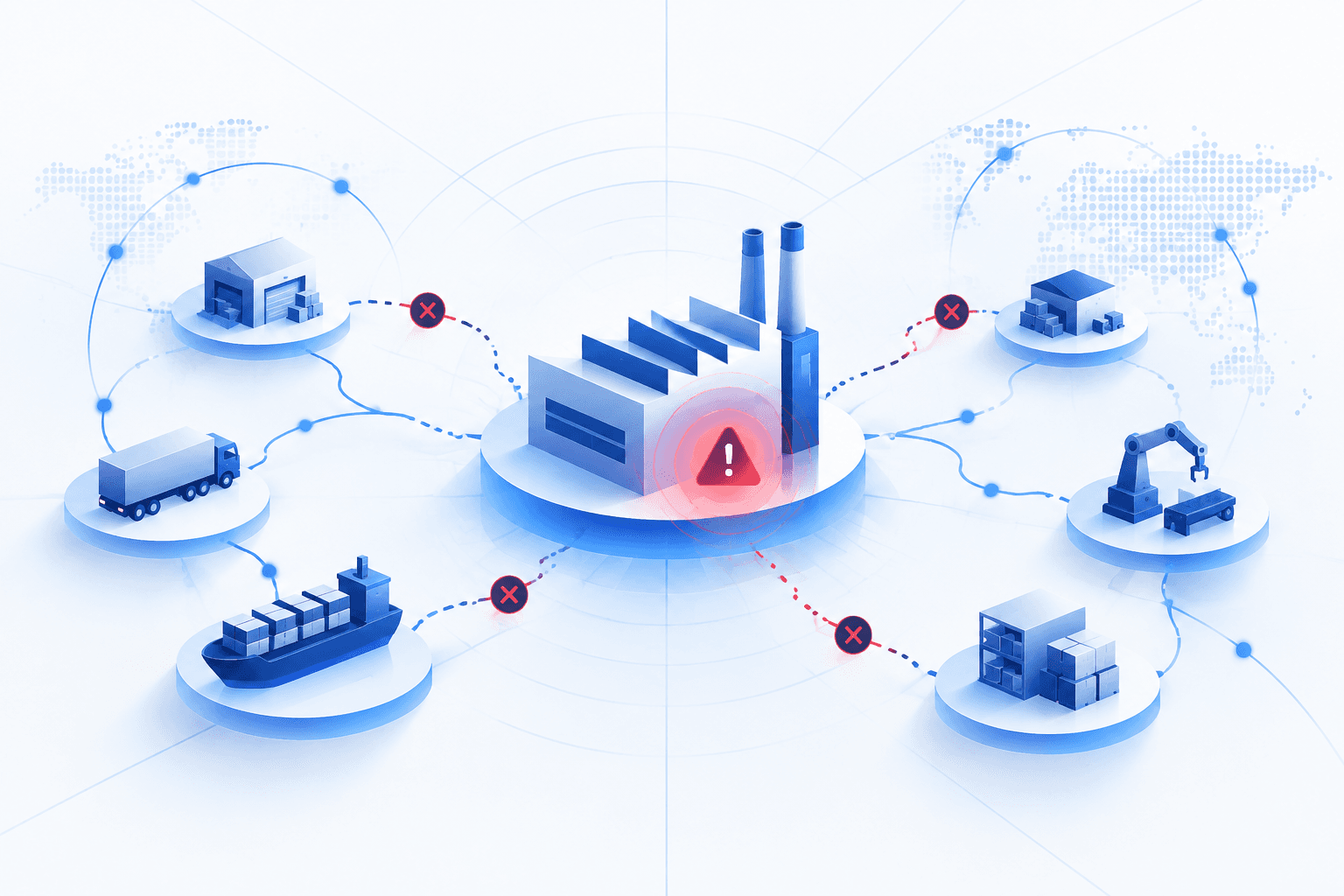
Ransomware continues to pose a significant threat to the manufacturing and logistics industries, with attackers increasingly targeting these sectors due to their critical role in global supply chains. According to Black Kite's 2025 Manufacturing Research Report, manufacturing has been the top target for ransomware groups for four consecutive years, accounting for 22% of all reported attacks between April 2024 and March 2025. This equates to 1,314 attacks out of a total of 6,046, highlighting the persistent focus of cybercriminals on this sector. The report notes that while newer ransomware groups may favor smaller companies, large manufacturing enterprises remain highly attractive targets due to the potential for widespread operational disruption. Attackers are not acting indiscriminately; they deliberately target manufacturing because any interruption can have cascading effects throughout the supply chain. The evolution of ransomware tactics is also notable, with some groups shifting from traditional encryption-based extortion to pure data theft and extortion, and others leveraging artificial intelligence to enhance their attacks. The Dragos Industrial Ransomware Analysis for Q2 2025 corroborates these findings, emphasizing that manufacturing remains the most impacted sector. Companies are responding by strengthening their cybersecurity postures, particularly through improved patch management protocols and increased awareness of the threat landscape. The logistics sector has also been severely affected, as illustrated by the ransomware attack on Kantsu, a midsize Japanese logistics company. On September 12, 2024, Kantsu's internal network and all systems were locked by ransomware, halting shipping operations and cutting off communications both internally and externally. The attack rendered all company data unavailable, impacting over 500 partner companies and threatening the very survival of the business. Kantsu's experience underscores the importance of business resilience and the need for robust incident response plans. The company, which had invested in cloud-based warehouse management systems to streamline operations, found itself grappling with the operational and reputational fallout of the attack. The incident highlights the broader trend of ransomware groups targeting organizations whose operational continuity is vital to the functioning of other businesses. Both manufacturing and logistics companies are increasingly aware that their critical position in supply chains makes them prime targets for cybercriminals. As a result, there is a growing emphasis on proactive defense measures, including timely software updates, employee training, and the adoption of advanced security technologies. The ongoing battle between ransomware actors and these industries is driving innovation in both attack techniques and defensive strategies. The stakes are high, as successful attacks can disrupt not only individual companies but also the broader economy. The need for cross-sector collaboration and information sharing has never been greater, as organizations seek to stay ahead of evolving threats. Ultimately, the fight against ransomware in manufacturing and logistics is an escalating battle, with both sides adapting rapidly to new challenges and opportunities.
Why it matters
Impact assessment
Manufacturing and logistics organizations are the primary affected populations, especially firms with operational technology, warehouse management, shipping, and supply-chain dependencies. The impact is severe because ransomware in these sectors causes immediate operational disruption, loss of data availability, partner and customer outages, and significant financial and reputational damage.
Exposure is widespread across the manufacturing sector rather than limited to a narrow campaign. The story cites sustained real-world targeting and a confirmed disruptive incident at Kantsu, indicating active exploitation in the wild against supply-chain-critical organizations.
Key facts
- Manufacturing was the top ransomware target for four consecutive years, according to Black Kite's 2025 Manufacturing Research Report.
- Manufacturing accounted for 22% of all reported ransomware attacks between April 2024 and March 2025.
- The report cites 1,314 manufacturing attacks out of 6,046 total reported attacks in that period.
- Large manufacturing enterprises remain attractive targets because disruption can cascade through dependent suppliers and customers.
- Newer ransomware groups may preferentially target smaller companies, expanding risk across the sector.
- Logistics is also materially exposed because service interruption directly affects downstream business operations.
- Kantsu, a midsize Japanese logistics company, suffered a ransomware attack on 2024-09-12.
- In the Kantsu incident, internal networks and all systems were locked, shipping operations halted, communications were cut off, and company data became unavailable.
- The Kantsu disruption affected more than 500 partner companies, demonstrating multi-party supply-chain impact.
- The story describes a shift by some ransomware groups from encryption-only extortion to data theft and extortion, increasing legal, regulatory, and reputational consequences even where recovery is possible.