Ransomware Impact and Recovery Challenges for Japanese and Global Manufacturing Firms
Breach & Incident Intelligence · 2 sources · Updated 5mo ago · First seen Dec 10, 2025

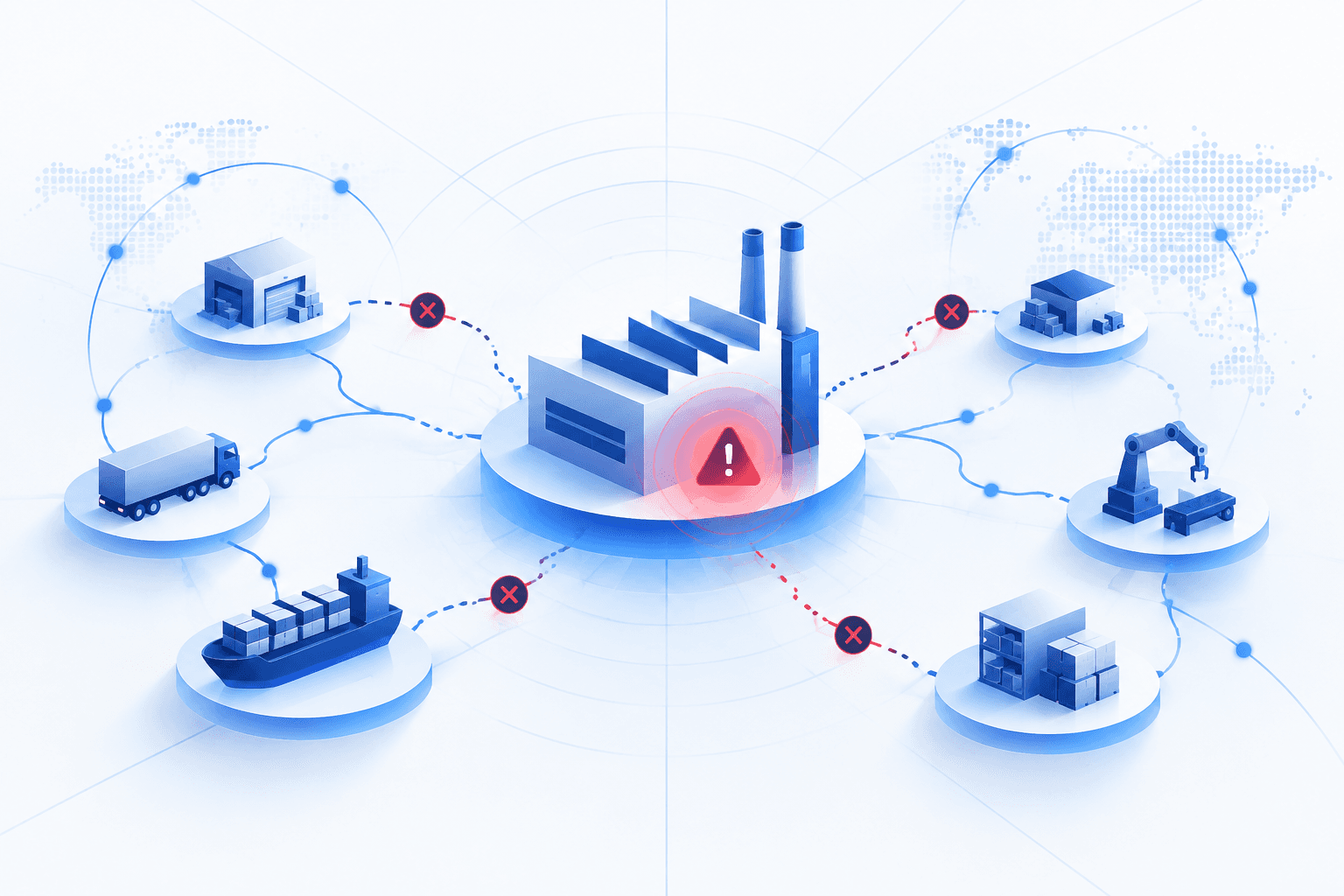
Japanese companies, including major manufacturers and retailers such as Asahi Holdings and Askul, have experienced prolonged operational disruptions following ransomware attacks. Asahi Holdings continues to face back-office issues and has acknowledged a potential data breach affecting 1.9 million individuals, while Askul only recently resumed partial operations after more than six weeks of downtime, with ongoing shipment delays. These incidents highlight the extended recovery periods for Japanese firms, especially when ransoms are not paid, and the broader impact on supply chains, as seen with Muji's halted sales due to Askul's outage.
Globally, the manufacturing sector has shown some improvement in defending against ransomware, with only 40% of attacks resulting in data encryption compared to 74% the previous year. However, data theft remains a significant risk, with 39% of affected manufacturers suffering data loss, and more than half still paying ransoms despite better defenses. The sector continues to face challenges such as skilled labor shortages, unknown vulnerabilities, and increased stress on IT and security teams, with nearly half reporting heightened pressure and a notable proportion experiencing leadership changes after attacks.
Why it matters
Summary
Japanese manufacturers, retailers, and other enterprises face high operational and supply-chain risk from ransomware, with recovery measured in weeks to months rather than days. The reported impact includes prolonged business disruption, shipment delays, halted downstream sales, and potential large-scale data exposure, with Asahi Holdings disclosing a possible breach affecting 1.9 million individuals.
Supporting details
Affected entities and sectors
- Asahi Holdings, a Japanese food and beverage manufacturer, suffered ransomware-related back-office disruption.
- Askul, a Japanese online retailer, experienced more than six weeks of outage before partial recovery.
- Muji experienced secondary business impact when Askul's outage halted online sales.
- The broader manufacturing sector is highlighted as a frequent ransomware target globally.
- Japanese enterprises are specifically exposed due to central roles in regional and global supply chains.
Severity and business consequences
- Operational disruption is severe: Askul required more than six weeks to resume corporate orders and still faced shipment delays.
- Supply-chain disruption is material: one victim's outage propagated to Muji's sales operations.
- Data-loss risk is significant: Asahi Holdings acknowledged a possible breach affecting 1.9 million people.
- Financial and reputational damage are likely elevated where outages are prolonged and customer data may be exposed.
- Leadership and workforce strain are notable in the sector, with reporting that attacks increase pressure on IT and security teams and can contribute to executive turnover.
Scope and exposure
- The story describes a broad ransomware exposure trend rather than a single isolated campaign.
- Japan reportedly saw a 35% year-over-year increase in ransomware victims; globally, victims increased 33% over the same period.
- Sophos identified more than 200 named Japanese ransomware victims over four years, including 72 in the past year.
- The Asia-Pacific region is assessed as likely to remain a focus due to resilience gaps and high recovery costs.
Exploitation status
- Yes, exploitation in the wild is established through the reported ransomware incidents affecting Asahi Holdings and Askul.
- The reporting also states that Japanese organizations were targeted via unpatched Ivanti Connect Secure VPN vulnerabilities.