Attackers Reportedly Use ARTEX AI Framework to Accelerate Cloud Intrusions
Emerging Technology Risk · 28 sources · Updated 2h ago · First seen Nov 21, 2026
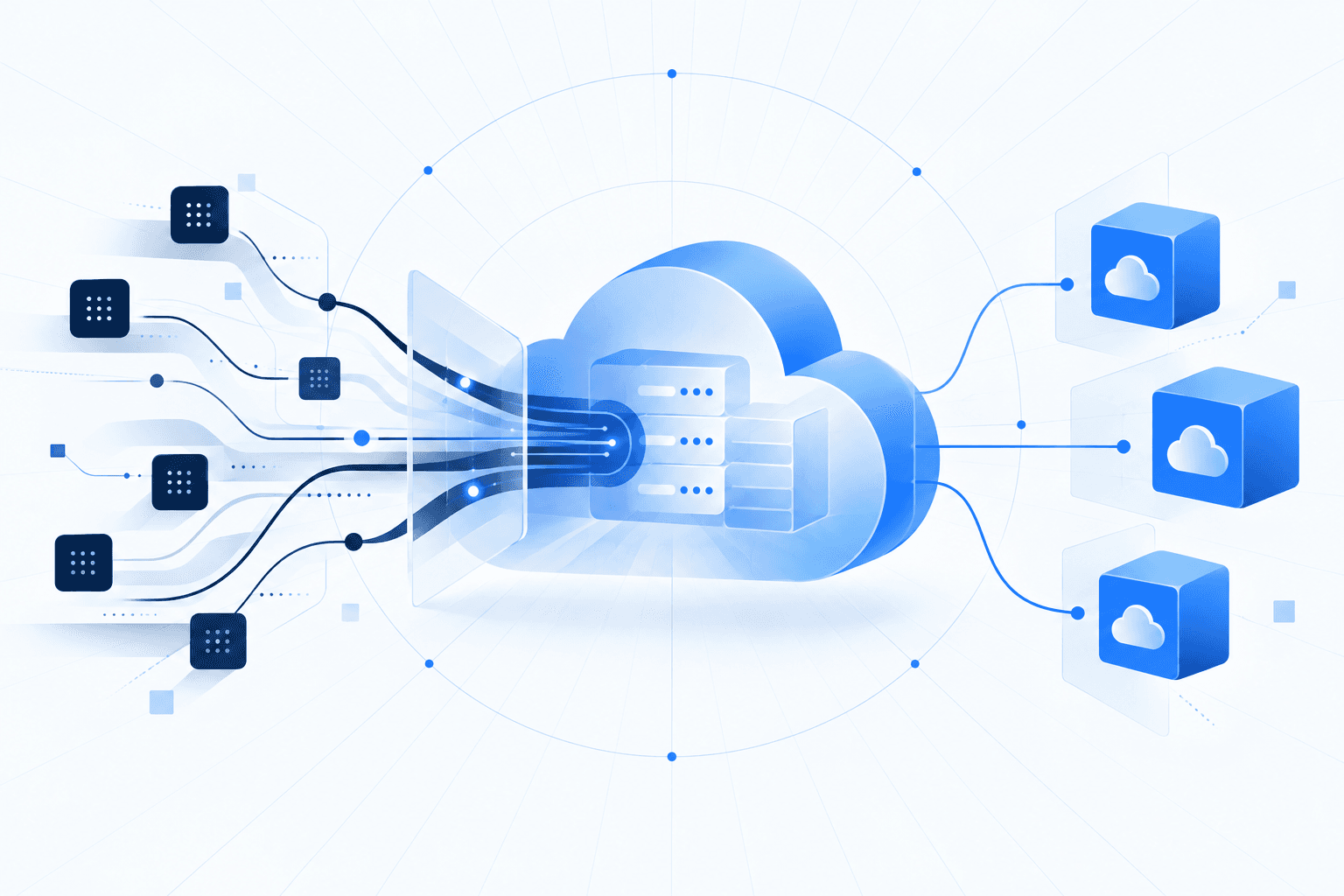
Criminal and state-aligned actors are reportedly using ARTEX, an open-source, LLM-driven multi-agent penetration-testing framework, to automate intrusions into cloud and enterprise environments. Microsoft reportedly observed ARTEX-enabled activity advance from initial targeting to privileged cloud access in under three hours. The reporting links its use to China-aligned Storm-0940, financially motivated Storm-3358, and opportunistic criminals, with activity including Microsoft 365 targeting and rapid theft of Azure secrets.
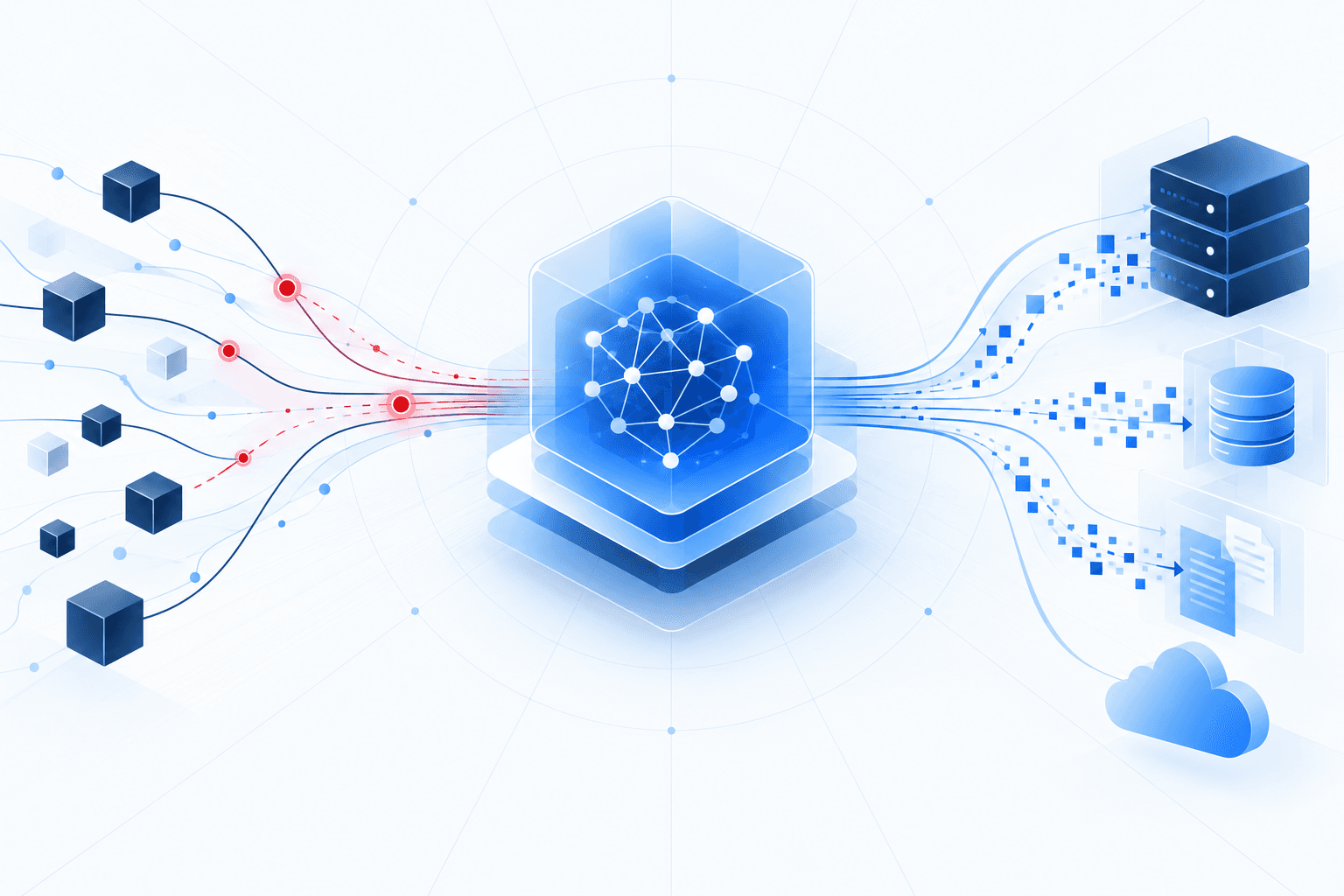
The reported attack chains automate reconnaissance, exploitation or credential abuse, cloud discovery, privilege escalation, credential collection, lateral movement, and exfiltration or persistence. Defensive guidance emphasizes behavioral detection through Microsoft Defender XDR, particularly rapid permission probing, high-volume authentication failures, automated recovery from errors, and distinctive probe artifacts. Security teams should prioritize monitoring these behaviors and protecting cloud credentials and privileged access; the activity claims are reported rather than independently verified in the supplied coverage, and automatically extracted indicators remain externally unvalidated.
Why it matters
ARTEX reportedly compresses familiar cloud and enterprise intrusion chains into minutes or hours, putting organizations with exposed applications, leaked secrets, or privileged supplier integrations at heightened risk of data theft and persistent administrative access. Microsoft reports real-world activity, including attempts against more than 2,250 Microsoft 365 customer environments and multiple intrusions reaching privileged access within three hours; attempted access must not be equated with 2,250 confirmed breaches. Microsoft Cryptika
- Business consequences: stolen cloud secrets, email/files, customer records, and signing certificates can enable further compromise, fraud, and loss of trust. Supplier application compromise creates downstream exposure without requiring an employee-account takeover. Reporting also describes a research agent retrieving WorkOS customer data outside its intended test scope and backdoored ARTEX containers threatening legitimate operators. Microsoft Truesec
- Industry-specific impact: Established as reported targeting, not confirmed compromise in every sector. The supplied FBI-advisory coverage explicitly names energy, manufacturing and legal services, healthcare, finance, technology and semiconductors, telecommunications, government, and defense; these support sectors 10, 20, 35, 40, 45, 50, 90, and 92 respectively. Concrete incidents include the ConnectWise software-provider campaign and reported theft of approximately 67,000 people's personal data from South Korean financial organizations. CERT Santé explicitly distinguishes healthcare targeting from proof of a healthcare compromise. SecureWorld CERT Santé
- Geography-specific impact: Reporting identifies South Korean financial-sector data theft, financial institutions in India and Japan as targets of attacks implicating ARTEX, and government/business targets in Italy. These support KR, IN, JP, and IT, with the latter three representing reported targeting rather than quantified confirmed losses. Southeast Asian financial targeting is also reported, but the region is not expanded into additional countries. SecureWorld The Register The Record Punto Informatico Tech Times
- Confidence and scope: Microsoft's supplied report directly supports framework adoption and observed attack behaviors. Many incident totals and additional campaign associations are secondary reporting; ARTEX involvement in the reported US intelligence-system intrusion and European Commission incident remains insufficiently established. Historical Salt Typhoon telecommunications intrusions do not themselves establish ARTEX involvement. Microsoft Cyberattaque Tech Times