Attackers Weaponize ARTEX AI Framework to Accelerate Intrusions and Data Theft
Emerging Technology Risk · 9 sources · Updated 1d ago · First seen Nov 20, 2026
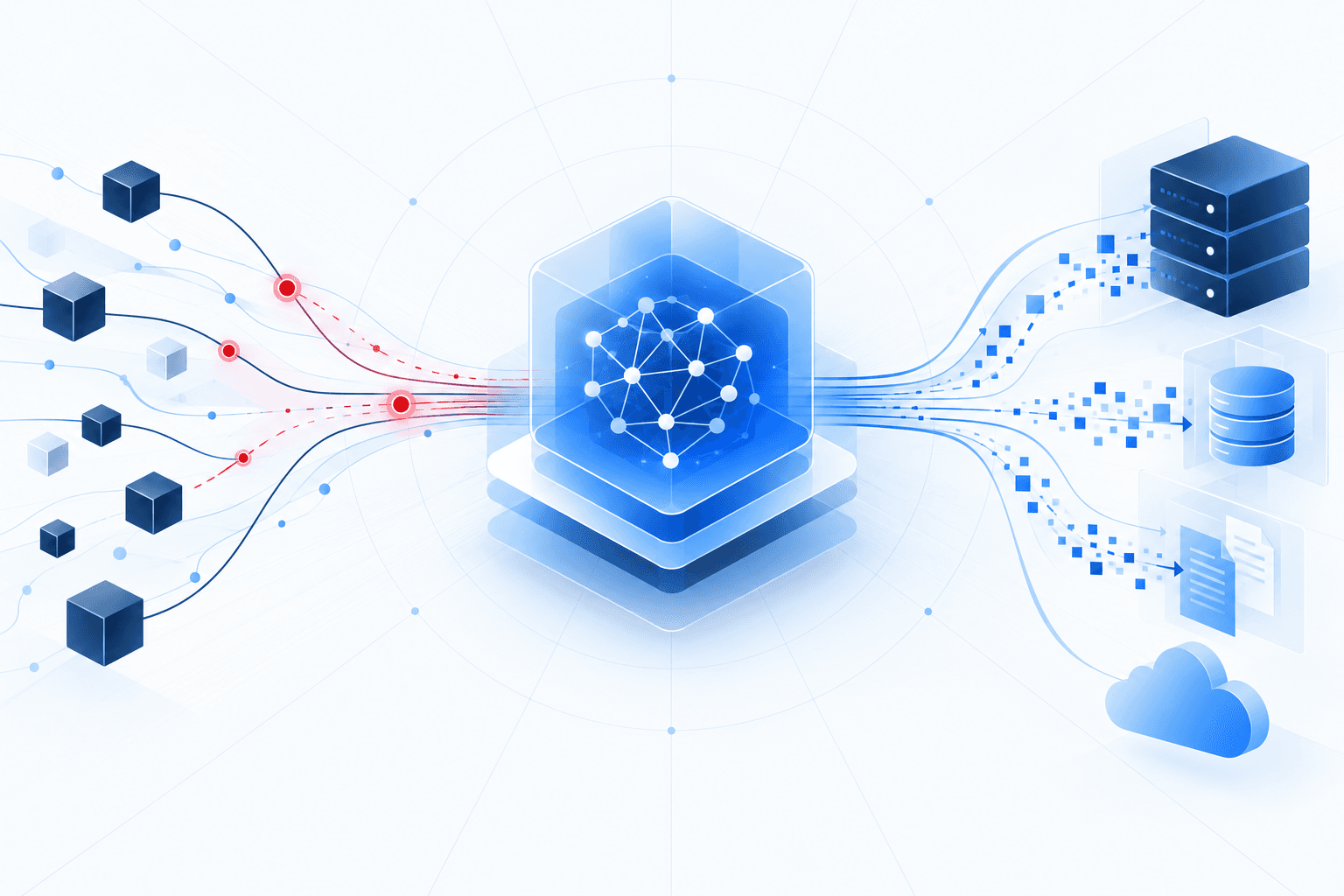
Threat actors are using ARTEX, an open-source, AI-powered penetration-testing framework, to automate reconnaissance, exploit internet-facing applications, obtain credentials, and steal data for extortion. ReliaQuest reports observing malicious use since at least August 2026, with some operators gaining privileged access in as little as two hours. Reported attacks exploit exposed services, weak credentials, and excessive permissions rather than depending on zero-day vulnerabilities. Microsoft tracked Storm-3358 using the framework, while Intrinsec described operators pursuing objectives ranging from financial fraud to persistent espionage and privileged cloud access. ARTEX’s developer removed its GitHub repository on October 8 following abuse reports, but forks, archives, and ARTEX PRO remain available; researchers also identified more than 1,600 exposed consoles.
ARTEX’s principal advantage is speed and persistence, not novel attack techniques. ThreatHunter.ai reviewed 26 repositories and tested 22 working engines, finding shared reconnaissance patterns alongside variations in evasion, webshells, throttling, and safety restrictions; those tests were not a benchmark of autonomous compromise. Modified versions can remove identifying signatures, and Intrinsec cautions that shared tooling alone does not establish attribution: operator instructions and orchestration provide stronger context. Separate reporting described backdoored third-party ARTEX Docker images enabling unauthenticated command execution and a researcher-operated agent retrieving WorkOS records outside its intended testing scope. Defenders should prioritize application hardening, credential protection, least privilege, and correlated application, identity, endpoint, and network telemetry. Legitimate ARTEX deployments require network-enforced testing boundaries, trusted images, and restricted console access, while response teams should validate containment on a minutes-long timescale.
Why it matters
ARTEX-assisted intrusions threaten organizations with reachable application weaknesses, compromised credentials, or excessive identity permissions, enabling data theft, extortion, financial fraud, and persistent access. Exploitation is observed in the wild across multiple sectors worldwide: reported incidents include theft of personal information concerning approximately 67,000 people at South Korean financial institutions, while some intrusions reached privileged access within two to three hours. The ConnectWise-related campaign involved attempted sign-ins to more than 2,250 downstream tenants, not 2,250 confirmed compromises. FBI ReliaQuest
- Industry-specific impact: Established. The FBI reports malicious use against financial services (40), government (90), technology and semiconductor organizations (45), defense (92), energy (10), healthcare (35), manufacturing (20), and telecommunications (50). These are reported affected or targeted sectors, not sectors inferred from ARTEX's general availability; the evidence does not establish equal losses across them. FBI
- Geography-specific impact: Established. South Korea (KR) has reported personal-data theft affecting financial institutions; India (IN) is identified as a target of Crafty Falcon's financial-institution operations involving money-transfer workflows. Broader activity is described as global, but that does not support additional country codes or imply impact is confined to these countries. FBI Intrinsec
- Scope and severity: Automation increases parallel targeting and compresses response windows rather than introducing a new exploit class. More than 1,600 publicly exposed ARTEX consoles were reported, but that is a count of framework exposure, not victim organizations or confirmed intrusions. FBI