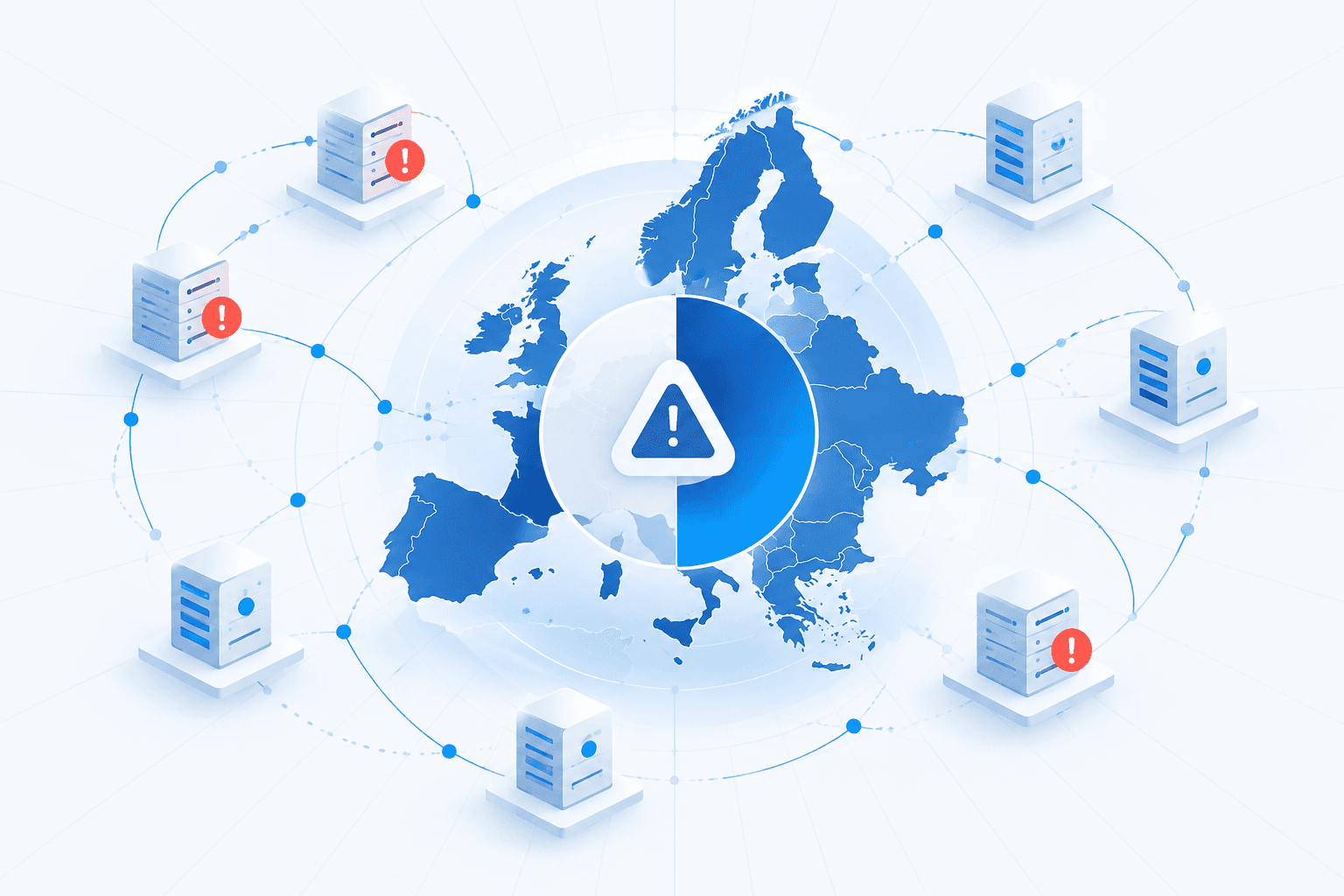
Germany’s BSI Rates Cyber Threats “Tense to Critical” as Exploitation Times Shrink
Malware Intelligence · 3 sources · Updated 9d ago · First seen Nov 19, 2026
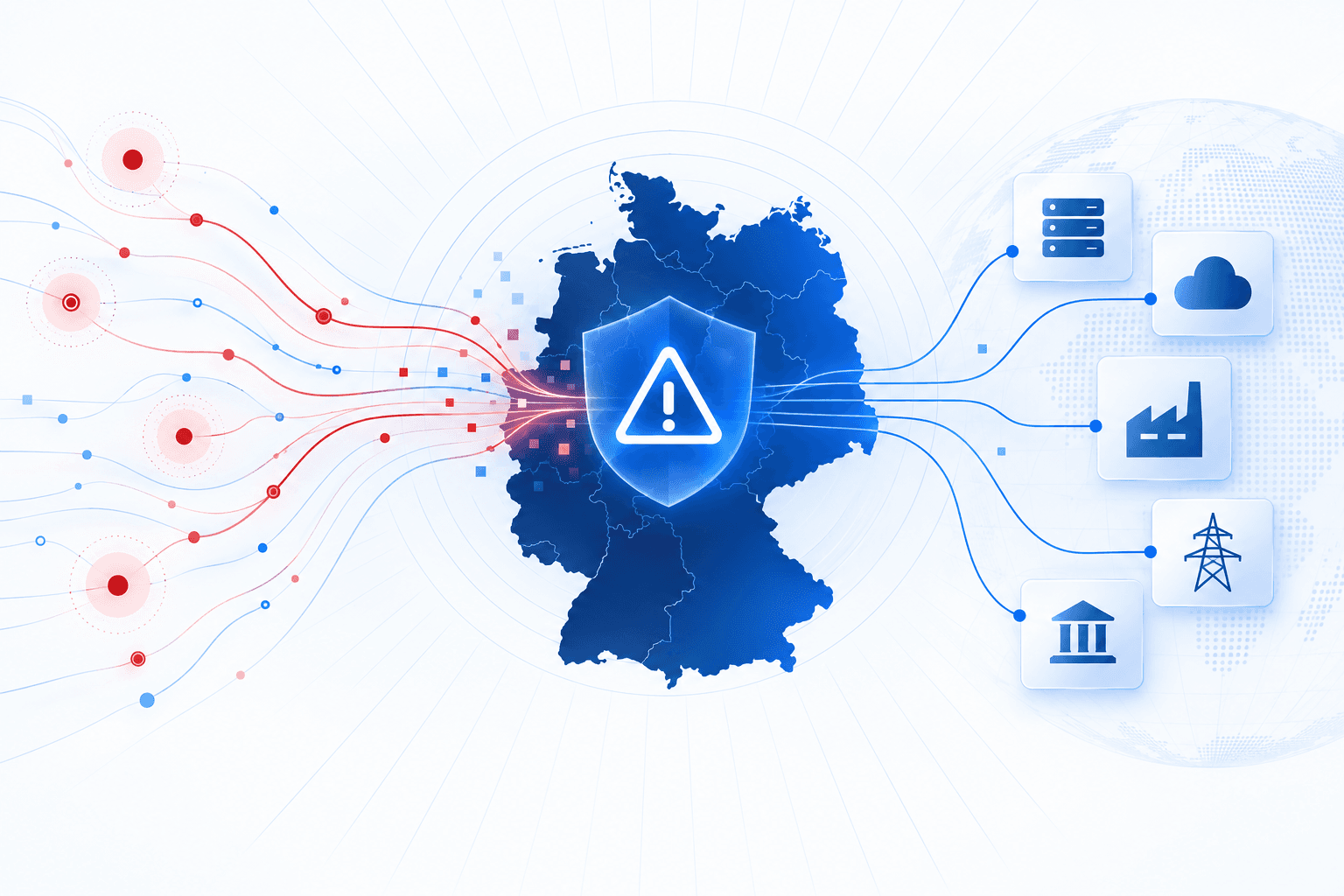
Germany’s Federal Office for Information Security (BSI) has assessed the cybersecurity situation as “tense to critical,” warning that expanding attack surfaces and faster vulnerability exploitation are outpacing organizational defenses. The average interval between disclosure and first known exploitation fell from 53 days in July 2024–June 2025 to 25 days in July 2025–June 2026, reaching just eight days in the second quarter of 2026; some flaws were exploited within hours. BSI cited increasingly capable AI tools and geopolitical pressures as contributing factors, but did not attribute the deterioration to widespread, fully automated AI attacks. Small and medium-sized businesses and municipalities remain particularly exposed.
BSI highlighted inadequate security practices, Chinese attackers targeting perimeter systems, cloud abuse using legitimate credentials, and growing industrial IoT exposure. Android-based consumer devices represented 88% of identified infected devices, with BadBox and Vo1d leading reported botnet infection counts in Germany. The findings reinforce the need for rapid patching, robust access controls, two-factor authentication, and secure configurations. Separately, Office Partner disclosed customer-data theft through an external service provider, including contact information, invoices, and encrypted passwords; it said payment data and core systems were unaffected, and AI involvement was not confirmed. BSI also warned that “store now, decrypt later” collection is already occurring and urged organizations to develop cryptographic agility for future quantum-computing threats.
Why it matters
BSI assesses Germany’s cybersecurity situation as “tense to critical,” with shrinking exploitation timelines increasing the risk of compromise before organizations can patch. Small and medium-sized enterprises and municipalities are particularly exposed; observed impacts include consumer-device botnet infections, university data leaks, and customer-data theft at an Office Partner service provider, creating confidentiality, fraud, and operational risks. These findings describe broad exposure and observed malicious activity, but do not establish widespread fully automated AI attacks.
- Industry-specific impact: Government & Public Sector is specifically affected. BSI identifies municipalities as particularly vulnerable, while German government networks blocked an average of 755 newly identified malicious websites daily during the reporting period (Heise). SME exposure spans unspecified industries and does not justify additional sector codes.
- Geography-specific impact: Germany is specifically affected. This is a national assessment, with approximately 30,000 BadBox-infected systems and more than 10,000 Vo1d-infected systems reported in Germany (Heise). These findings do not imply that exposure is exclusive to Germany.
- Confirmed incident scope: Office Partner reported theft of customer contact details, invoices, and encrypted passwords from an external provider. It said payment data, core systems, and online shops were unaffected, and no misuse was known at notification (ComputerBase).