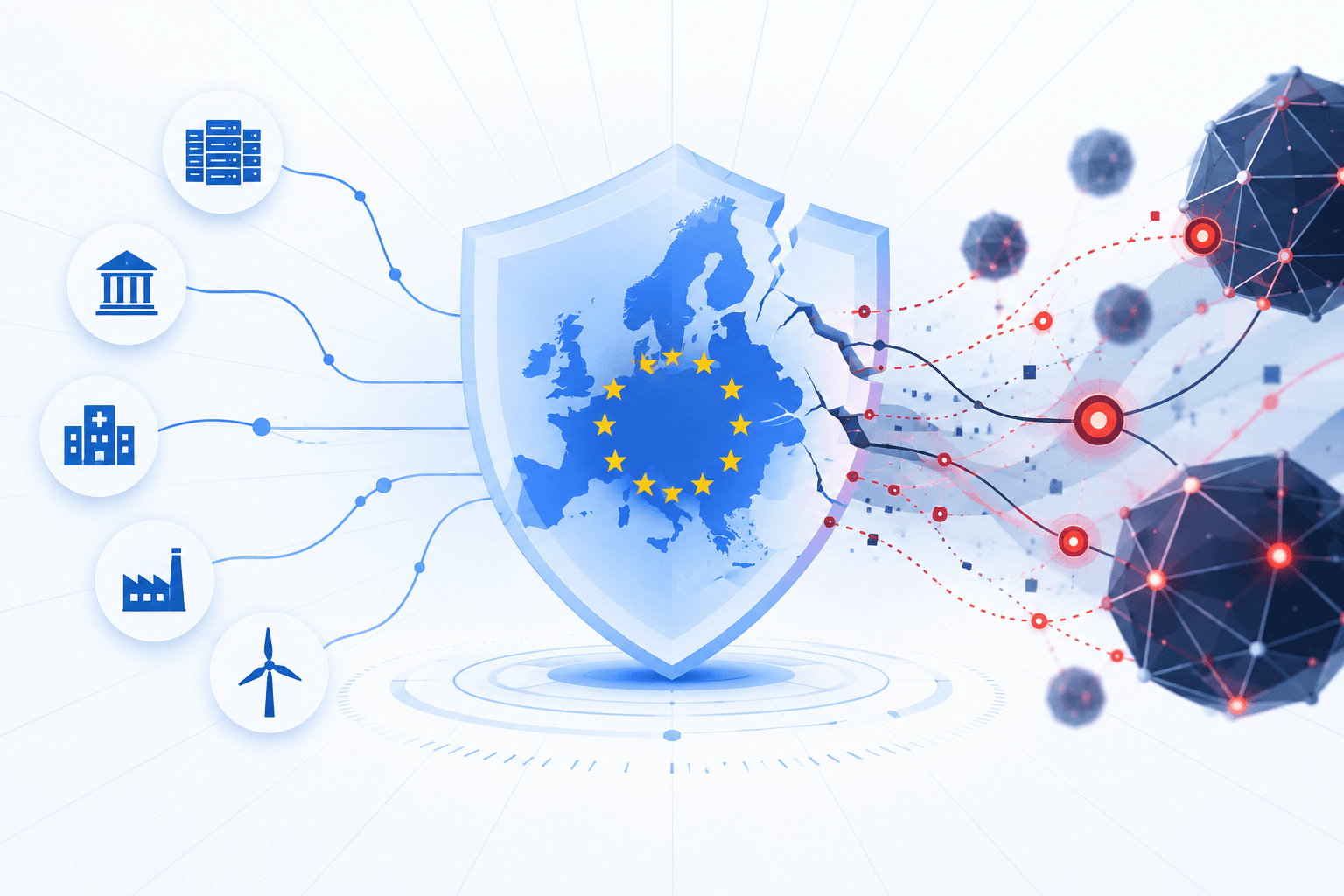
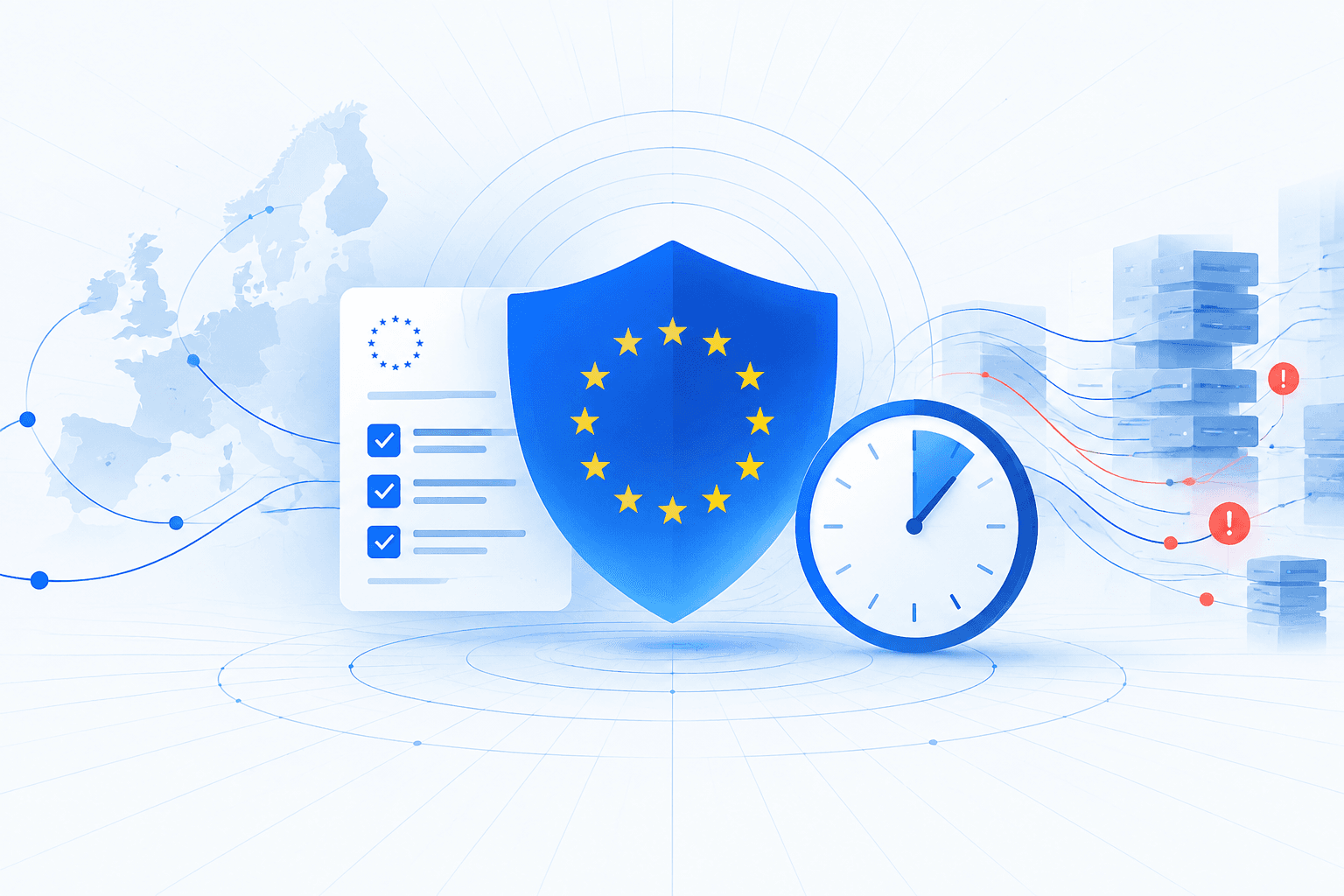
ENISA Finds Critical Patching Delays at 45% of Surveyed EU IT Service Providers
Sector Threat Intelligence · 2 sources · Updated 17d ago · First seen Nov 10, 2026
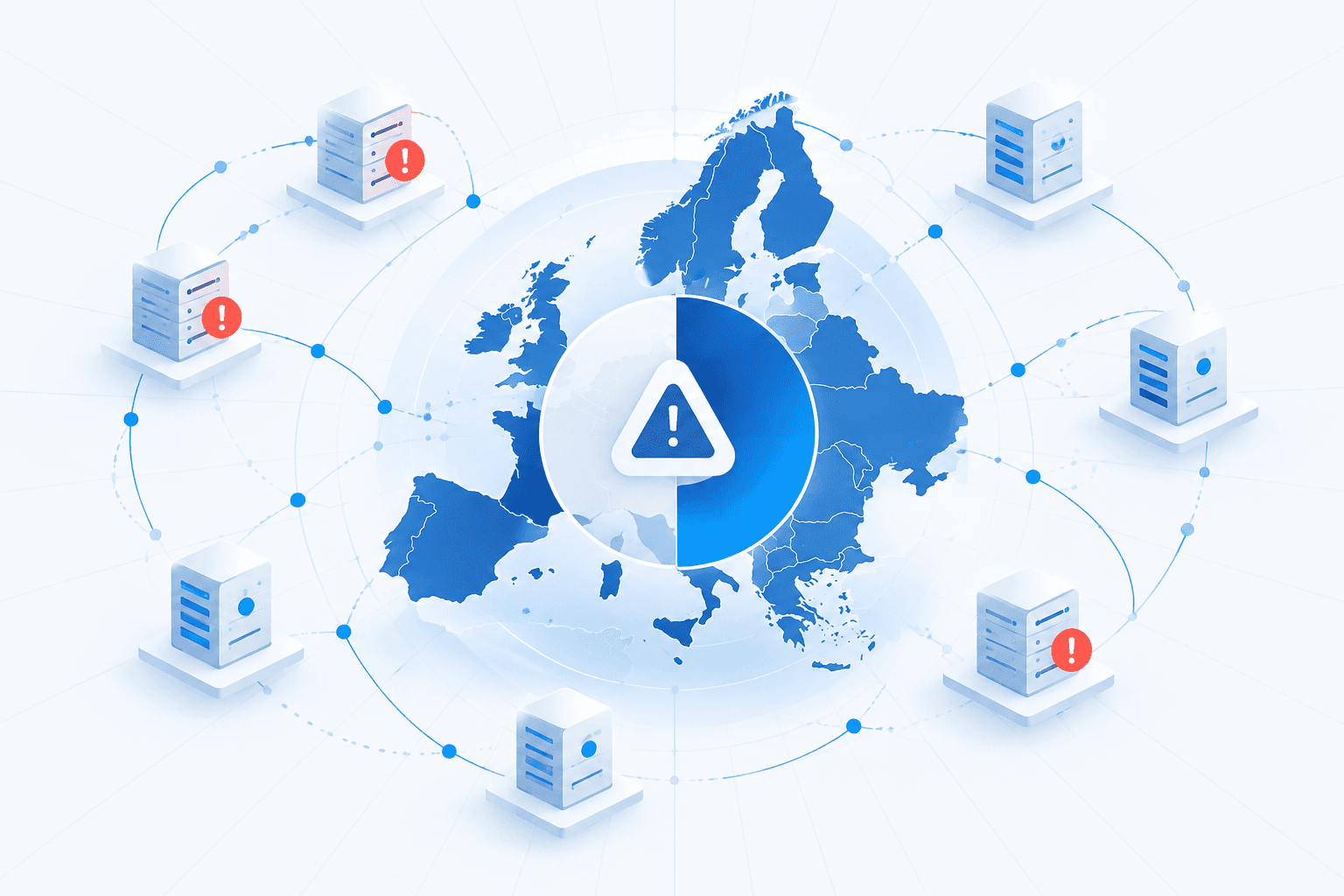
ENISA’s 2026 State of Cybersecurity in the Union report found improving EU cybersecurity capabilities alongside significant operational gaps: 45% of surveyed IT service management providers took more than three months to apply critical patches to critical systems, potentially exposing customers, and 43% conducted no cybersecurity assessment over a full year. The EU Cybersecurity Index averaged 71.53 out of 100, with strong reported supply-chain management maturity masking uneven incident-response capabilities, certification ecosystems and cybersecurity education across Member States and critical sectors.
The EU cyber threat level remained substantial for the two years through July 2026, with geopolitics and ideology shaping attacks and hacktivists dominating attack volumes. ENISA described AI as accelerating vulnerability discovery and exploitation, although its impact had not yet been incorporated into the threat rating, adding pressure to existing remediation bottlenecks. Its recommendations prioritize coherent legislative implementation, stronger crisis coordination, critical-infrastructure resilience, management of cross-border and supply-chain dependencies, and sustained skills investment. New Cyber Resilience Act reporting requirements also reinforce vulnerability transparency, while weak peer information sharing underscores the need for greater private-sector participation and timely exchange of incident information.
Why it matters
ENISA’s 2026 assessment identifies prolonged exposure at surveyed EU IT service management providers: 45% took more than three months to apply critical patches to critical systems, and 43% performed no cybersecurity assessment over a full year. These gaps potentially expose provider-operated customer systems to compromise, data loss and service disruption, but the supplied material does not establish exploitation attributable to these patching delays or quantify resulting losses.
- Industry-specific impact: Information Technology is specifically affected because the survey documents remediation and assessment gaps at IT service management providers. Customer exposure may extend into other sectors, but those sectors are not identified. Help Net Security
- Geography-specific impact: The European Union is specifically affected: the survey concerns EU providers, and ENISA separately cites cyber incidents affecting refrigeration systems across the EU. Individual affected countries are not identified, so no country codes are assigned. Help Net Security, ENISA
- Scope and severity: These are survey findings, not evidence that 45% of all EU providers are vulnerable. ENISA reports substantial EU cyber threats and significant intrusion activity during 2025–2026, but provides no incident-level link between that activity and the surveyed providers.