EU Cyberattack Early-Warning System Found Unprepared for Major Incidents
Regulatory & Policy · 2 sources · Updated 2mo ago · First seen Sep 22, 2026

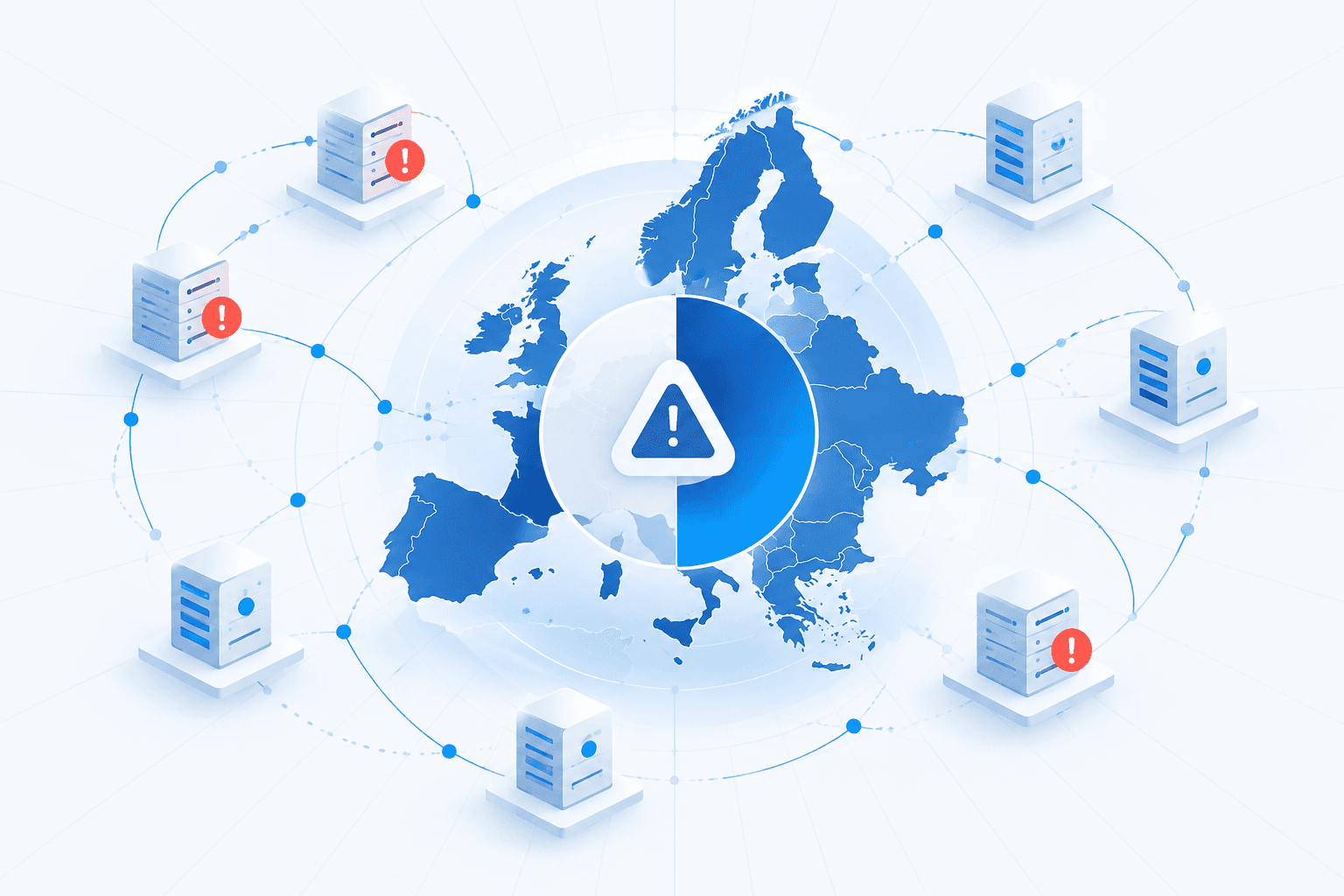
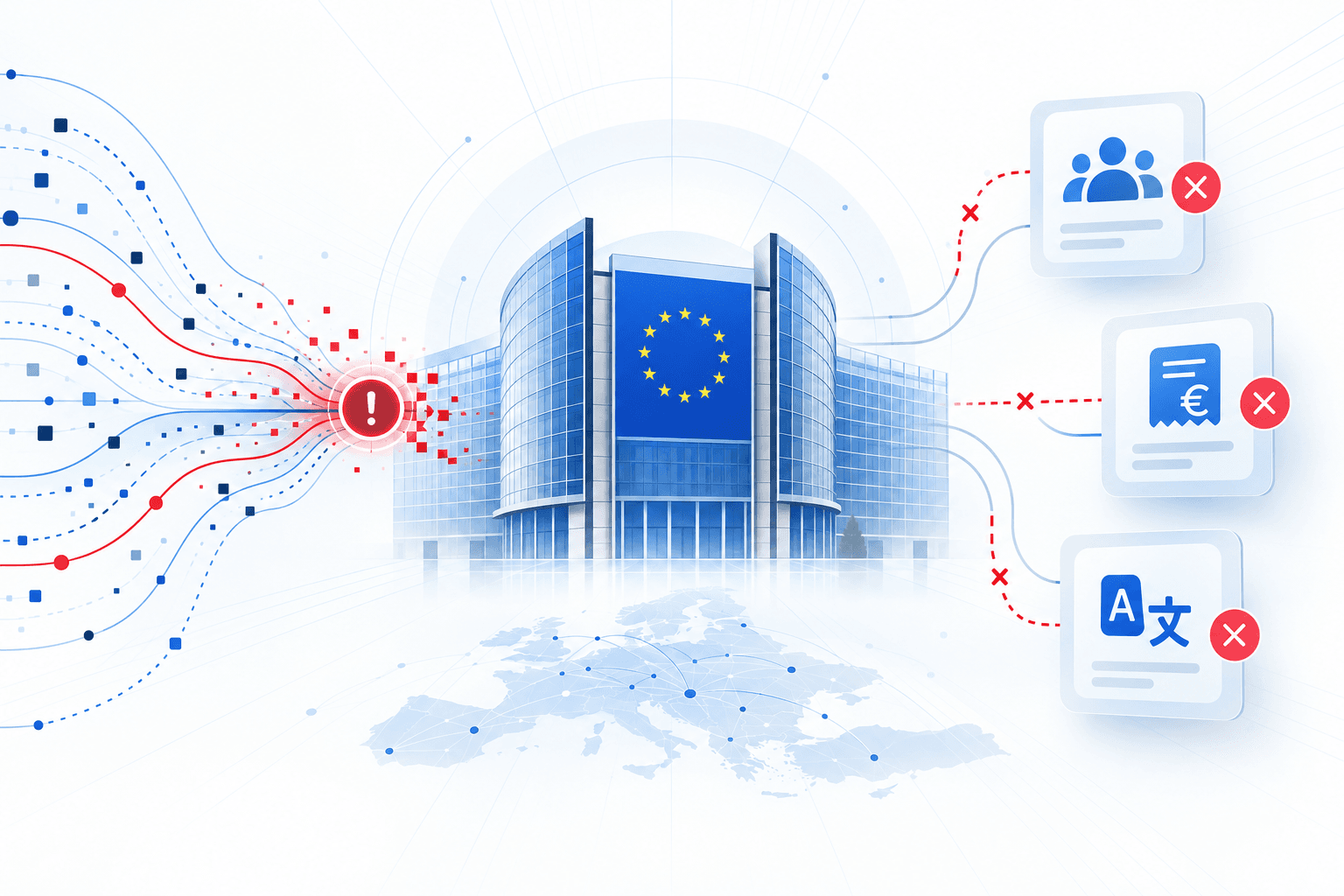
The European Court of Auditors found that the EU is insufficiently prepared to detect and respond to major cyberattacks, despite allocating €1.4 billion to European cyber defence. An EU early-warning capability remained not fully operational roughly 20 months after its creation, while auditors also identified weak oversight of funding distributed to third parties and called for stronger coordination and less duplicated work.
The audit identified inadequate information-sharing among member states as a central weakness. Following a September 2025 attack on an IT service provider that disrupted passenger handling at multiple European airports, Germany, Belgium and Ireland reportedly did not notify ENISA or other member states adequately, limiting coordinated defensive action; national-security interests and secrecy rules can further restrict cross-border exchange of cyber-threat information.
Why it matters
Impact assessment
The audit identifies a strategic resilience gap affecting EU member-state governments, EU institutions, and operators of cross-border critical services. The September 2025 airport disruption demonstrates that cyber incidents at shared IT service providers can cause immediate operational outages across multiple countries, including degraded passenger processing and manual check-in procedures.
- Affected sectors: government cyber-defense organizations, managed/third-party IT service providers, aviation, airlines, airports, and other cross-border critical infrastructure.
- Operational impact: disrupted passenger handling at airports in London, Brussels, and Dublin; airlines used manual procedures or external equipment for portions of check-in.
- Geographic scope: EU-wide preparedness issue, with cross-border consequences when a common provider or interconnected service is compromised.
- Strategic impact: incomplete early-warning capabilities and insufficient incident sharing can delay detection, limit collective containment, and permit similar attacks to spread or recur across member states.
- Financial and reputational exposure: service disruption, recovery costs, passenger delays, and diminished confidence in public-sector and critical-infrastructure cyber resilience.
- Known exploitation: a major September 2025 attack against an unnamed IT service provider is reported, but the available references do not identify the threat actor, malware, vulnerability, intrusion method, or confirmed data theft.