German Firms Report Rising China- and Russia-Linked Cyberespionage
Threat Actor Intelligence · 2 sources · Updated 3mo ago · First seen Aug 26, 2026
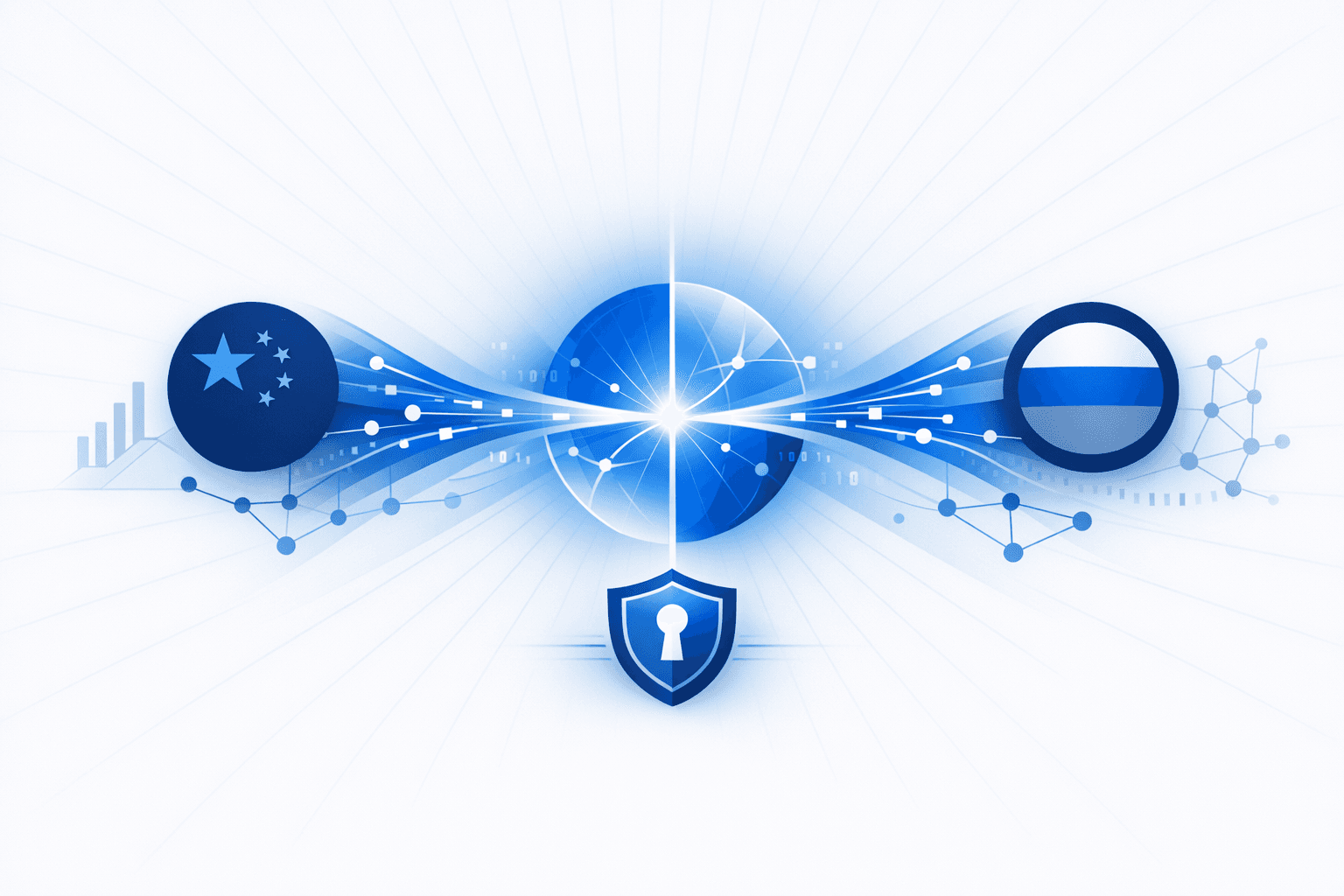
A Bitkom survey of 1,003 German companies found that nearly 40% of organizations affected by data theft, industrial espionage, or sabotage attributed at least one incident to a foreign intelligence service, up from 28% a year earlier and 7% in 2023. China was the most frequently cited source, followed by Russia; roughly one in 10 affected firms linked incidents to Iran. Ransomware remained the most commonly reported attack type, while estimated annual losses from cyberattacks remained in the hundreds of billions of euros.
Federal Office for the Protection of the Constitution President Sinan Selen warned that AI is worsening the threat environment, citing a China-linked operation assessed as entirely AI-generated. He urged stronger patching, resilience, and preventive cooperation, and said expanded intelligence powers would not create a systemic risk of zero-day vulnerabilities being withheld from Germany’s Federal Office for Information Security. Survey respondents also reported an increase in ransomware payments.
Why it matters
Impact assessment
German organizations face sustained cyber risk from both financially motivated and suspected state-linked activity, with the security and defense sector identified as a high-value espionage target. The impact includes theft of intellectual property and personal data, production disruption, extortion, recovery costs, legal exposure, and reputational harm; supply-chain incidents can also disrupt partners and customers.
- Bitkom surveyed 1,003 German companies with at least 10 employees; more than two-thirds reported a successful cyberattack during the prior 12 months.
- Among companies affected by data theft, industrial espionage, or sabotage, 37-40% believed at least one incident was linked to a foreign intelligence service, up from 28% in the previous survey and 7% in 2023.
- Reported suspected state attribution was led by China at 52%, Russia at 49%, the United States at 27%, and Iran at 9%. These are respondents' attribution beliefs; the survey does not provide case-level evidence supporting them.
- Ransomware remains the most common reported attack type. One in four companies reported encryption and payment demands, and 20% reported having paid a ransom at least once, up from 15% in the prior year.
- Estimated direct, quantifiable German business losses were €211 billion to €270.8 billion. Costs include outages, extortion, investigation and recovery, legal disputes, data-protection actions, lost revenue, and reputational or competitive harm.
- Reported incidents demonstrate cross-sector exposure: Lidl disclosed a breach involving a service provider; Unimed, a medical billing provider, was compromised and German university hospitals reported stolen patient data; Dresden State Art Collections experienced major digital-infrastructure disruption.
- No specific active exploitation campaign, malware family, vulnerability, or attributable actor infrastructure is published in this reporting.