UK Peers Warn Cyber Resilience Bill Leaves Major Public-Sector Gaps
Regulatory & Policy · 2 sources · Updated 11d ago · First seen Nov 16, 2026
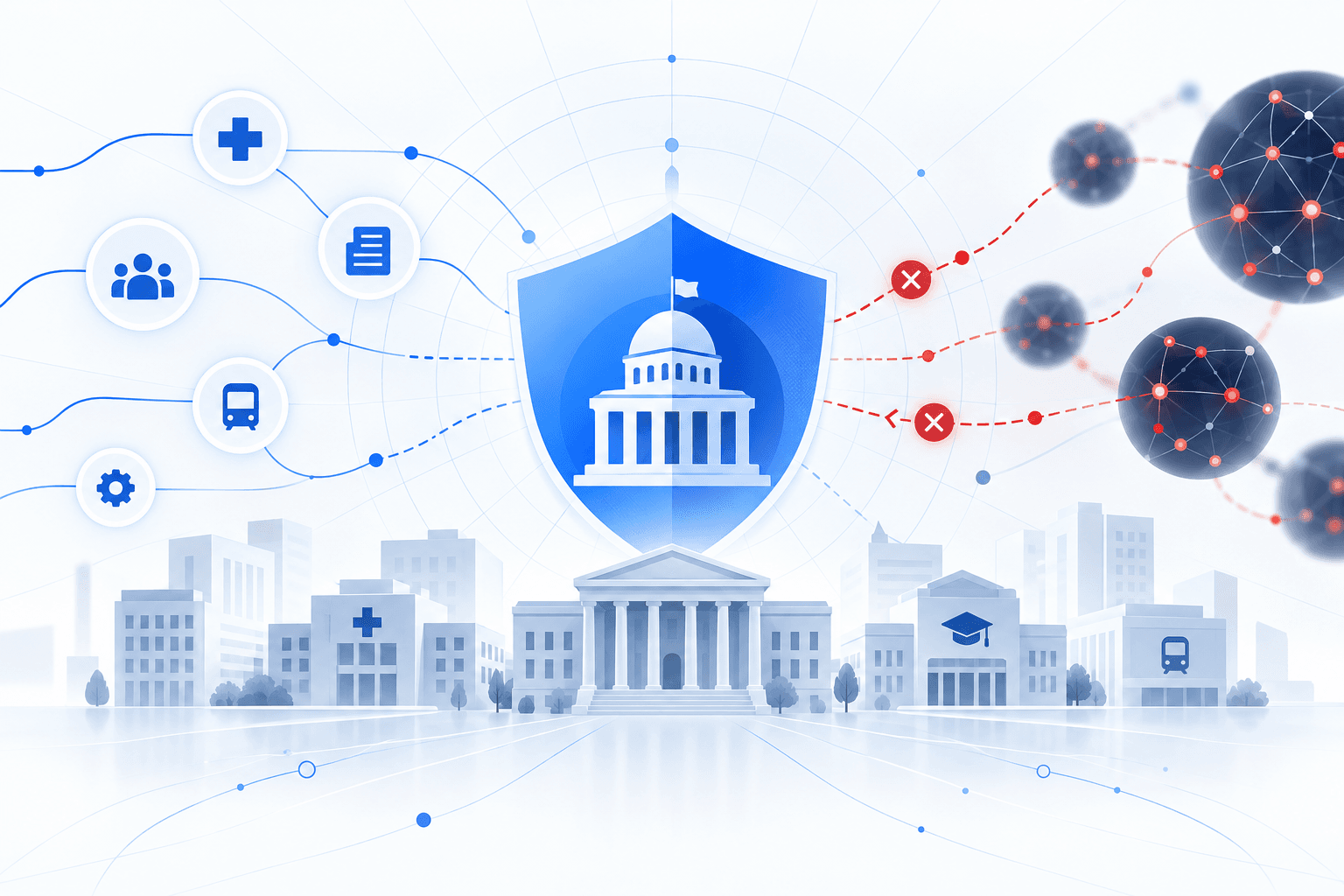
The House of Lords National Resilience Committee warned that the UK government is underprepared for potentially catastrophic threats, including cyberattacks from Russia, China and Iran. Peers said the Cyber Security and Resilience Bill would provide useful baseline requirements but leaves most of the public sector outside its scope. The committee called for broader cybersecurity regulation, adequately resourced enforcement, greater openness about hostile activity and senior officials accountable for national resilience. Government testimony described critically high cyber and digital resilience risks alongside extremely low resilience across government and the public sector.
Separate NCC Group research found that 51% of British MPs believe the UK is failing to keep pace with cybersecurity risks, while 47% consider it unprepared to defend against a major attack on critical infrastructure. The National Cyber Security Centre has also warned that infrastructure operators face AI-powered threats from groups linked to hostile states. Reported attacks affecting European supermarket refrigeration systems and a French blood bank provider underscore the potential for cyber incidents to disrupt physical operations and supply chains, reinforcing the need for tested recovery capabilities and stronger government-industry coordination rather than written plans alone. The Cabinet Office said it would carefully review the committee’s report and maintained that action to strengthen collective resilience is already underway.
Why it matters
The House of Lords National Resilience Committee warned that UK preparedness is inadequate for potentially catastrophic cyber disruption, with most of the public sector outside the proposed Cyber Security and Resilience Bill’s scope. Separately reported attacks on European supermarket refrigeration systems and a French blood bank provider illustrate operational consequences, including food spoilage and service disruption; they do not establish a single coordinated campaign. The concern is broad resilience exposure rather than a newly disclosed compromise of the UK government.
- Industry-specific impact: Government & Public Sector (90) is specifically exposed: government testimony described critically high cyber risks and extremely low resilience across government and the public sector (The Record). Consumer Staples (30) and Health Care (35) have reported operational impact through attacks affecting supermarket refrigeration and a blood bank provider, respectively (ITPro).
- Geography-specific impact: The United Kingdom (GB) is the subject of the preparedness assessment and proposed legislation. France (FR) has reported disruption affecting a blood bank provider; supermarket incidents are identified only as European, so additional countries cannot be assigned. The references above support these distinctions.
- Scope and severity: Essential-service interruption, spoiled inventory, supply-chain disruption and loss of public confidence are material risks. NCC Group’s survey found 51% of British MPs believed the UK was falling behind cybersecurity risks and 47% considered it unprepared for a major critical-infrastructure attack; these are perceptions, not measurements of compromise.