Tajani Data Exposure Draws Privacy Warning as Italy Pushes G7 Cyberattack Talks
Breach & Incident Intelligence · 8 sources · Updated 15d ago · First seen Nov 9, 2026
Personal information belonging to Italian Foreign Minister Antonio Tajani and members of his family reportedly circulated on dark web forums, including private telephone numbers, email addresses and home addresses. The information appeared alongside a list of 18 people labeled hostile to Russia. Tajani blamed pro-Russian hackers, citing Italy’s support for Ukraine and his ministry’s cybersecurity initiatives, but that attribution has not been independently confirmed. Italy’s data protection authority, the Garante, warned that acquiring or redistributing unlawfully obtained personal data violates privacy rules even when the victims are public figures. It said it would monitor circulation and, where necessary, urgently restrict processing and seek removal from platforms.
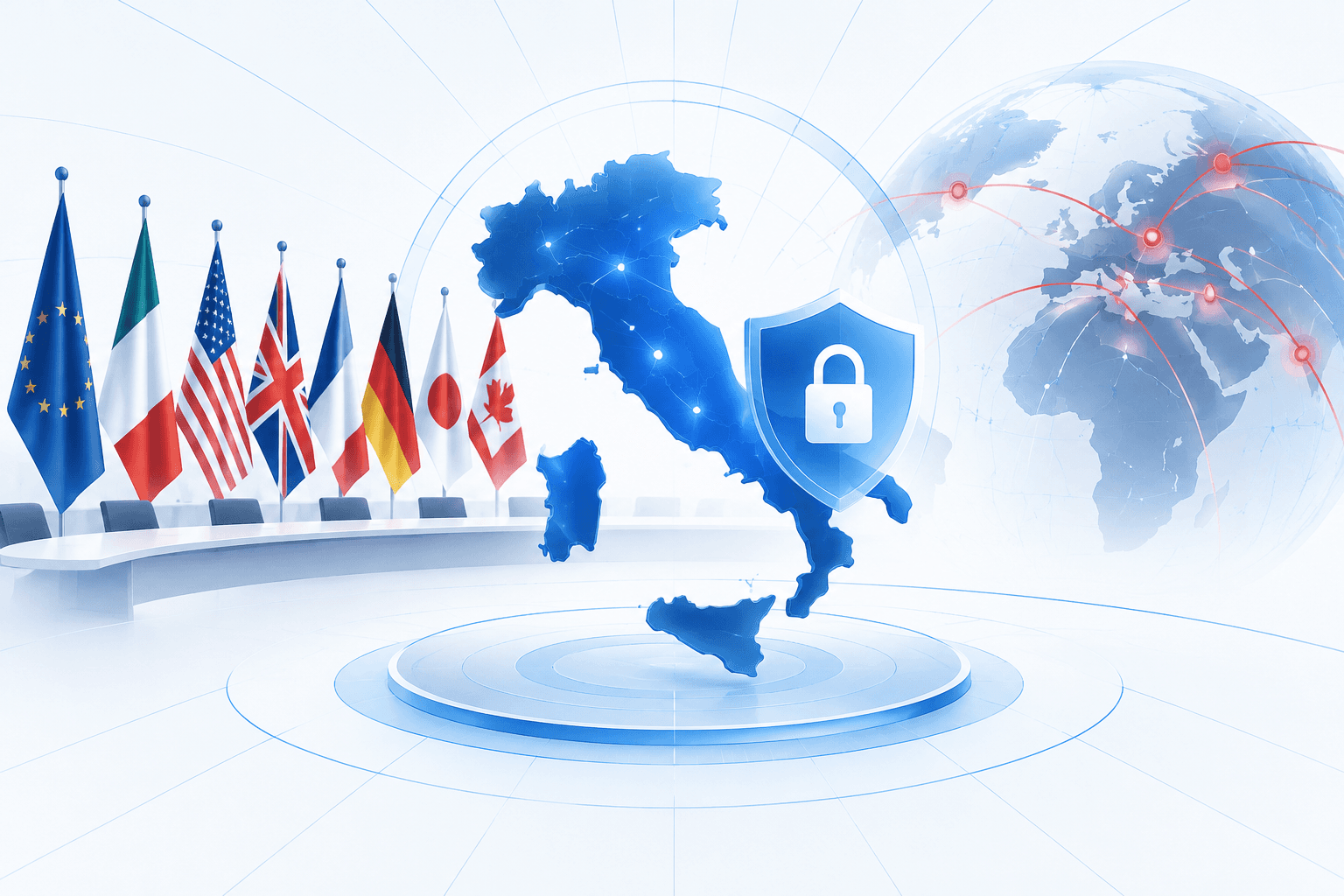
Italy secured the addition of hybrid warfare and cyberattacks on critical infrastructure to the G7 foreign ministers’ meeting agenda in Paris, seeking a coordinated international response. Related reporting described attacks affecting refrigeration controllers at more than 800 European supermarkets: attackers reportedly accessed internet-exposed interfaces protected by weak or default credentials and changed cooling settings, causing food spoilage and electrical damage without demanding ransom. Those incidents were discussed as suspected hybrid sabotage, but Russian government involvement was not conclusively established. Ukraine offered operational cybersecurity expertise; no agreed response framework or enforcement mechanism had been announced. The reported controller compromises underscore the need for operators to restrict internet exposure and replace default credentials.
Why it matters
Reported doxxing exposed Antonio Tajani and his family to threats and intimidation, within a broader campaign targeting 18 European officials and journalists; the collection method and attribution remain unverified. Separately, reported refrigeration-controller compromises affected more than 800 European supermarkets, causing food spoilage and electrical damage, but the supplied evidence does not establish a common perpetrator or operational link to the doxxing.
- Industry-specific impact: Government & Public Sector (90) is directly targeted through Italian ministers, prosecutors and police officials, Germany’s BKA president, and Europol/Eurojust leaders; Communication Services (50) is affected through the reported targeting of journalists investigating Russian hacker groups (campaign report). Consumer Staples (30) is affected through reported supermarket refrigeration sabotage, inventory losses and equipment damage (refrigeration reporting). These findings do not imply exclusive exposure to these sectors.
- Geography-specific impact: Italy is directly affected through Tajani, his relatives and other Italian officials; Germany is specifically targeted through its BKA president and German journalists (campaign report). Refrigeration incidents reportedly affected approximately 700 French supermarkets and more than 115 stores collectively in Belgium, the Netherlands, Sweden, Luxembourg, Ireland and Estonia (refrigeration reporting). Ukraine’s support offer and the Paris G7 venue do not independently establish additional victim geographies.
- Scope and severity: The doxxing is targeted and creates physical-safety, harassment, impersonation and social-engineering risks. The refrigeration incidents represent reported exploitation in the wild with operational and financial consequences; no ransom demand was reported. Neither a compromise of Italy’s foreign-ministry systems nor Russian state responsibility is established.
- Privacy obligations: Italy’s Garante warned that acquiring or redistributing unlawfully obtained personal data violates privacy rules even for public figures, and may trigger processing restrictions and removal requests (privacy warning).