OpenAI Sets Up Election War Room After Disrupting Russian and Iranian Influence Operations
Emerging Technology Risk · 2 sources · Updated 21d ago · First seen Oct 8, 2026
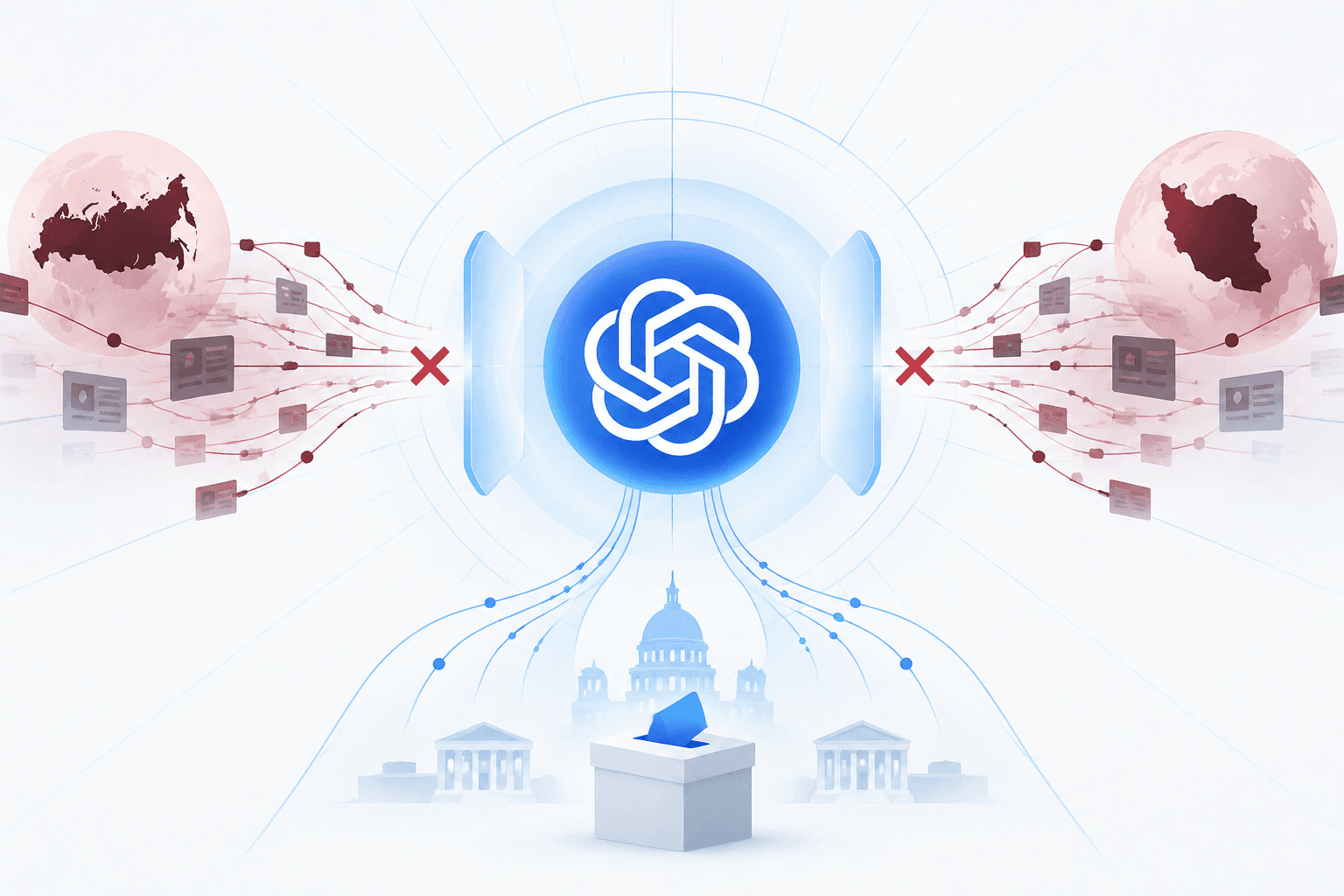
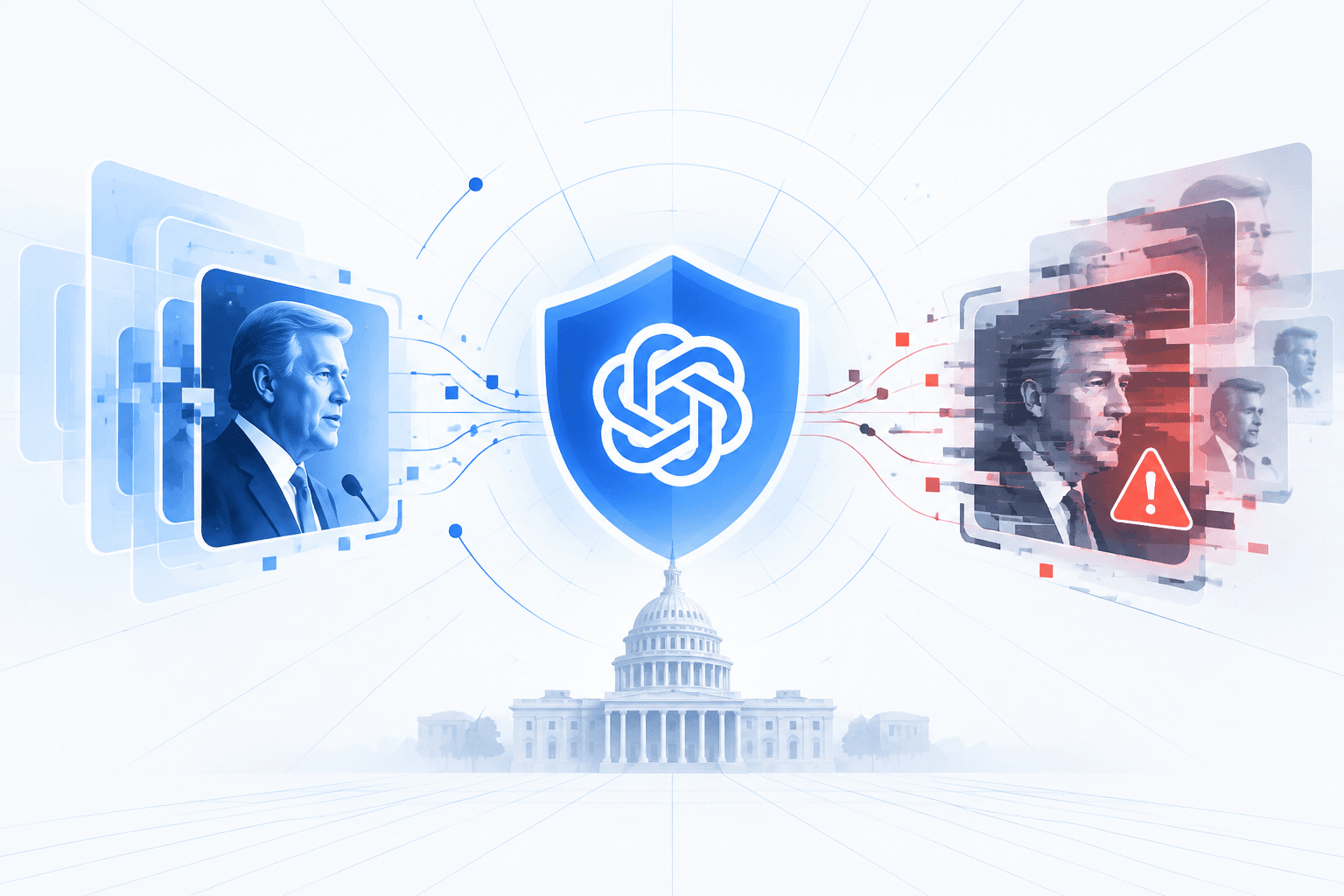
OpenAI is establishing an election war room staffed by hundreds of employees across multiple teams to review potential abuse during the U.S. midterms and monitor voter-information and election-results integrations with Democracy Works and The Associated Press. Its safeguards include rendering certain misleading election-image requests as cartoons rather than photorealistic images. A Brennan Center assessment found that ChatGPT was the only one of six popular AI tools to make significant progress against election disinformation since May.
The preparations follow OpenAI’s disclosure that it banned ChatGPT accounts supporting two covert influence operations: Russia-origin Dark Clark and Iran-origin Bogus Bylines. Dark Clark targeted Latin America with fabricated documents and recordings, deceptive emails, and a research organization apparently employing unwitting local staff. Bogus Bylines used seven fake journalist identities to place almost 100 articles in online publications and generated coordinated comments about the U.S.-Iran conflict. OpenAI assessed Dark Clark at Category 5 on the six-level IO Breakout Scale and Bogus Bylines’ article placements at Category 4, while finding little engagement with the Iranian operation’s social media comments. Both operations used AI to streamline established influence techniques and produce internal reports exaggerating their effectiveness; their disruption does not establish that they targeted the midterms.
Why it matters
OpenAI banned accounts supporting two covert influence operations that used deceptive identities, fabricated material, and AI-assisted writing to influence public debate; observed consequences included publication in genuine media outlets and official rebuttals, not demonstrated system compromise. Separately, OpenAI is establishing a hundreds-strong election war room to review abuse and monitor U.S. election-information integrations; the disrupted operations are not established as targeting the midterms. Exposure extends beyond social media to newsrooms, public institutions, and audiences, but actor claims and potential readership figures do not establish actual persuasion or operational disruption.
- Industry-specific impact: Communication Services is affected through almost 100 articles placed under fabricated journalist identities in online publications, alongside impersonation of news brands. Government & Public Sector is targeted through political influence campaigns, impersonation of education authorities, and fabricated diplomatic material. Utilities is specifically targeted through false claims that Bolivia’s state water company EPSAS would interrupt supply in La Paz; OpenAI found a matching debunk and official EPSAS denial, not an actual outage. OpenAI
- Geography-specific impact: Argentina and Bolivia were explicit domestic-political targets. Peru and Ecuador were targeted through claimed school-event manipulation with matching reporting; Ecuador also faced fabricated diplomatic audio and recruitment claims. Panama was targeted through material implicating Ukraine’s honorary consul, with matching material found online. Ukraine was an explicit reputational target across Dark Clark’s campaigns. These findings vary in corroboration and do not validate every operator claim. OpenAI
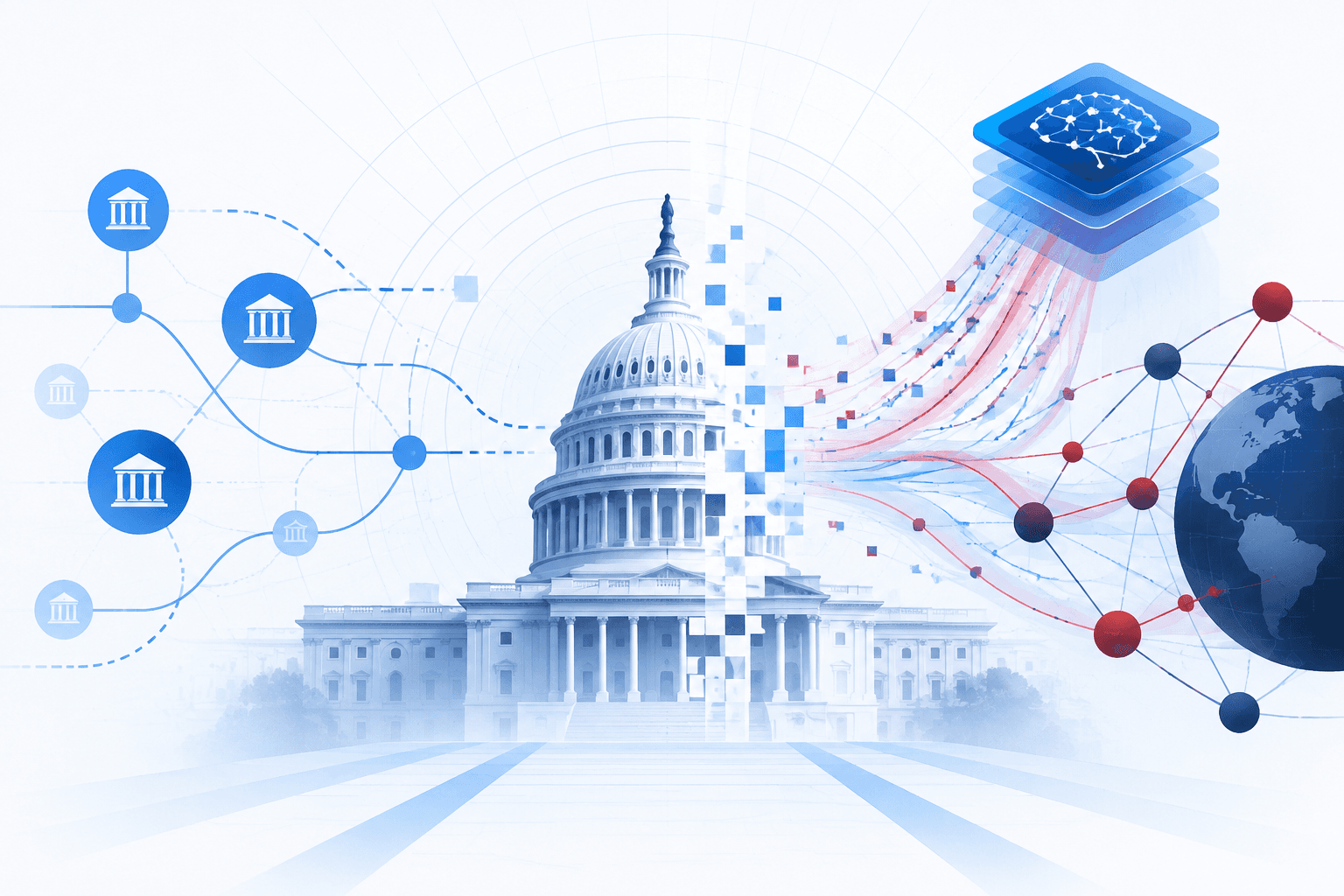
- United States: Election safeguards and monitoring specifically support U.S. midterm voters through voter-registration, polling-location, and election-results integrations. This establishes a U.S.-specific protective scope, not confirmed interference in those elections. Politico
- Observed activity: Dark Clark achieved media penetration and political reactions; Bogus Bylines achieved article placements, but its identified social comments generally received only single- or double-digit engagement. No data theft, malware infection, financial loss, or service outage is established.