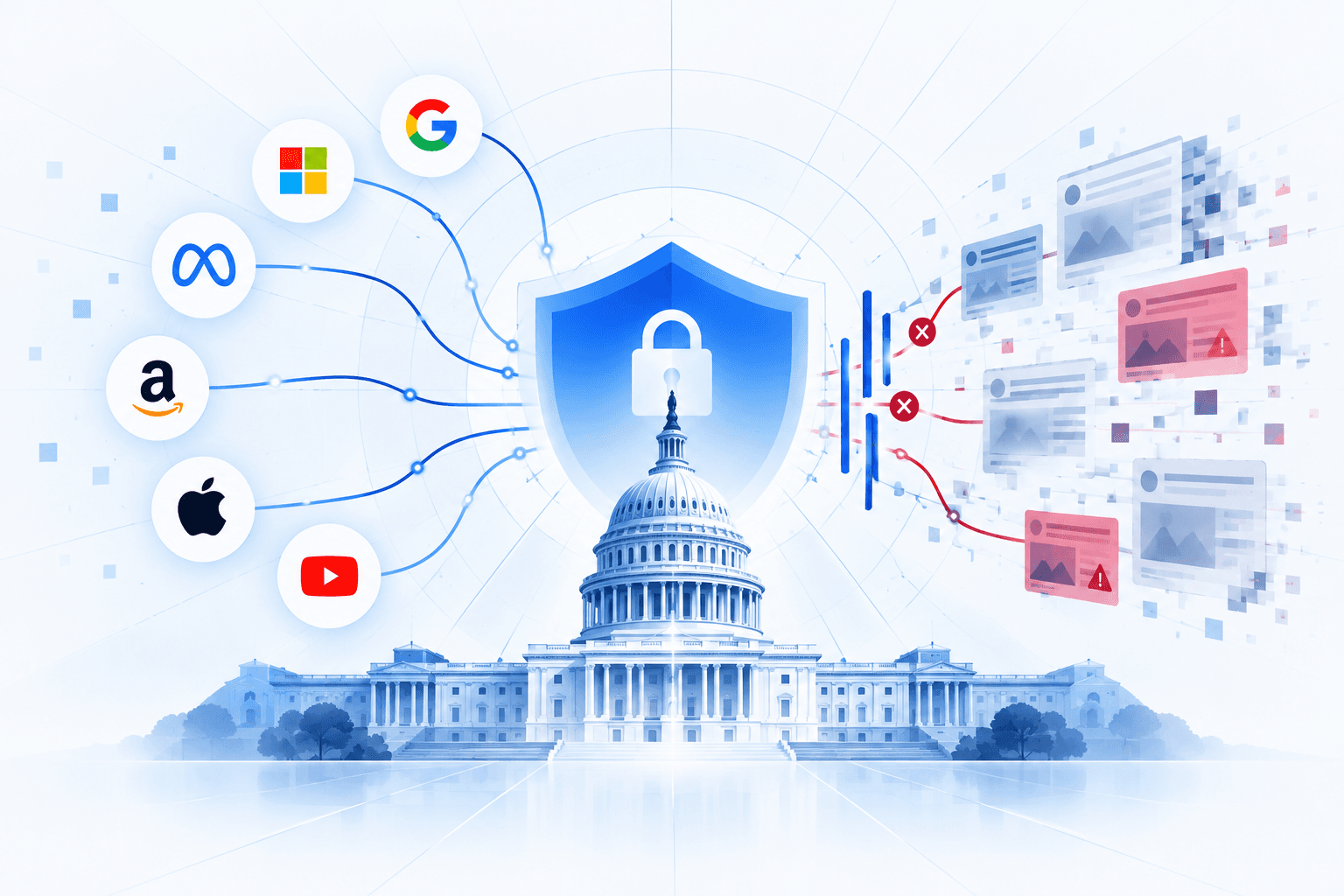
U.S. Election Coordination Gaps Raise Concerns as AI Lowers Foreign Influence Costs
Emerging Technology Risk · 2 sources · Updated 1mo ago · First seen Oct 14, 2026
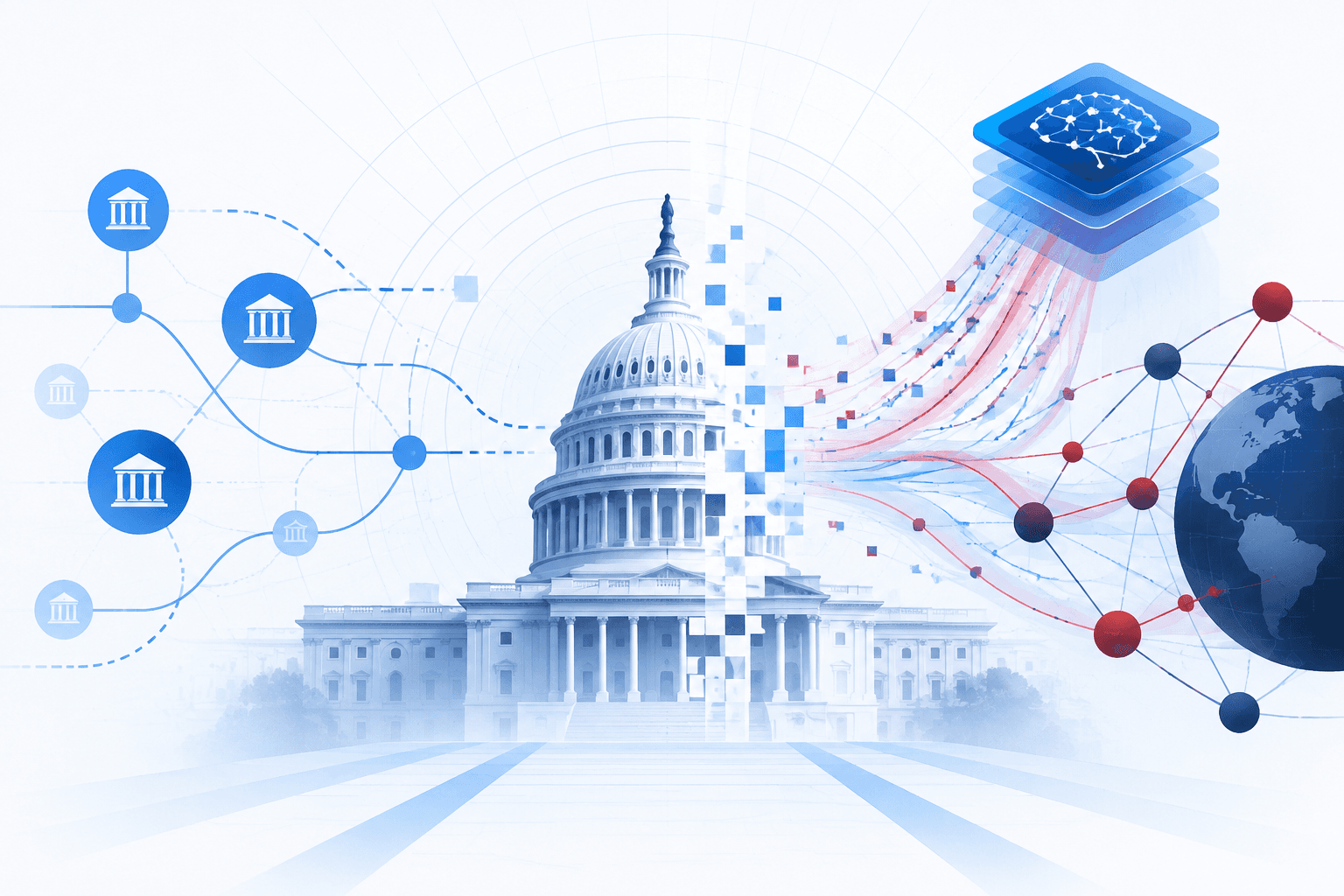
U.S. officials and researchers warned that reduced federal counter-influence programs and fewer election-specific briefings have weakened coordination ahead of the midterm elections, even as federal agencies maintain that election-security support continues. Nextgov/FCW reported that the Trump administration dismantled several counter-influence programs, following an earlier cooling of cooperation during the Biden administration amid litigation over government interactions with social media companies. ODNI has assigned election-threat intelligence coordinators, CISA has outlined election-support plans, and Defense Secretary Pete Hegseth has directed military agencies to prioritize foreign election threats.
AI is reducing the cost and expertise needed to generate persuasive political content, identify audiences, test messages, and automate influence-campaign adjustments. Officials anticipate greater use by Russia and China, with pro-Iran groups also using these capabilities. State election offices are countering misleading voting information, referring threats to law enforcement, and preparing contingency plans. Officials cautioned that convincing content and high engagement do not prove changes in voting behavior, but widespread AI-generated political videos could erode trust in both fabricated and authentic footage.
Why it matters
Reduced election-specific intelligence sharing creates coordination risk for U.S. state and local election offices, election workers, technology platforms, and voters ahead of the 2026 midterms. AI lowers the cost of producing and adapting deceptive political content, increasing exposure to false voting instructions, threats, operational disruption, and loss of public confidence. The reporting does not establish compromised election systems, altered votes, or measurable changes in voting behavior.
- Scope: Nationwide information-environment risk; the references do not identify a specific new campaign or targeted jurisdiction.
- Coordination gaps: Officials report fewer election-specific federal briefings and disrupted relationships following program closures and personnel departures.
- Continuing support: ODNI election-threat coordinators, CISA infrastructure-security support and incident-coordination plans, and military prioritization of foreign election threats remain in place.
- Historical incident: The malware.news reference recounts November 2024 polling-site bomb threats that U.S. officials said may have been linked to Russia. This is not evidence of a current intrusion campaign.