China-Linked Influence Campaign Used ChatGPT to Target U.S. Data Center Debate
Emerging Technology Risk · 9 sources · Updated 4mo ago · First seen Jun 10, 2026
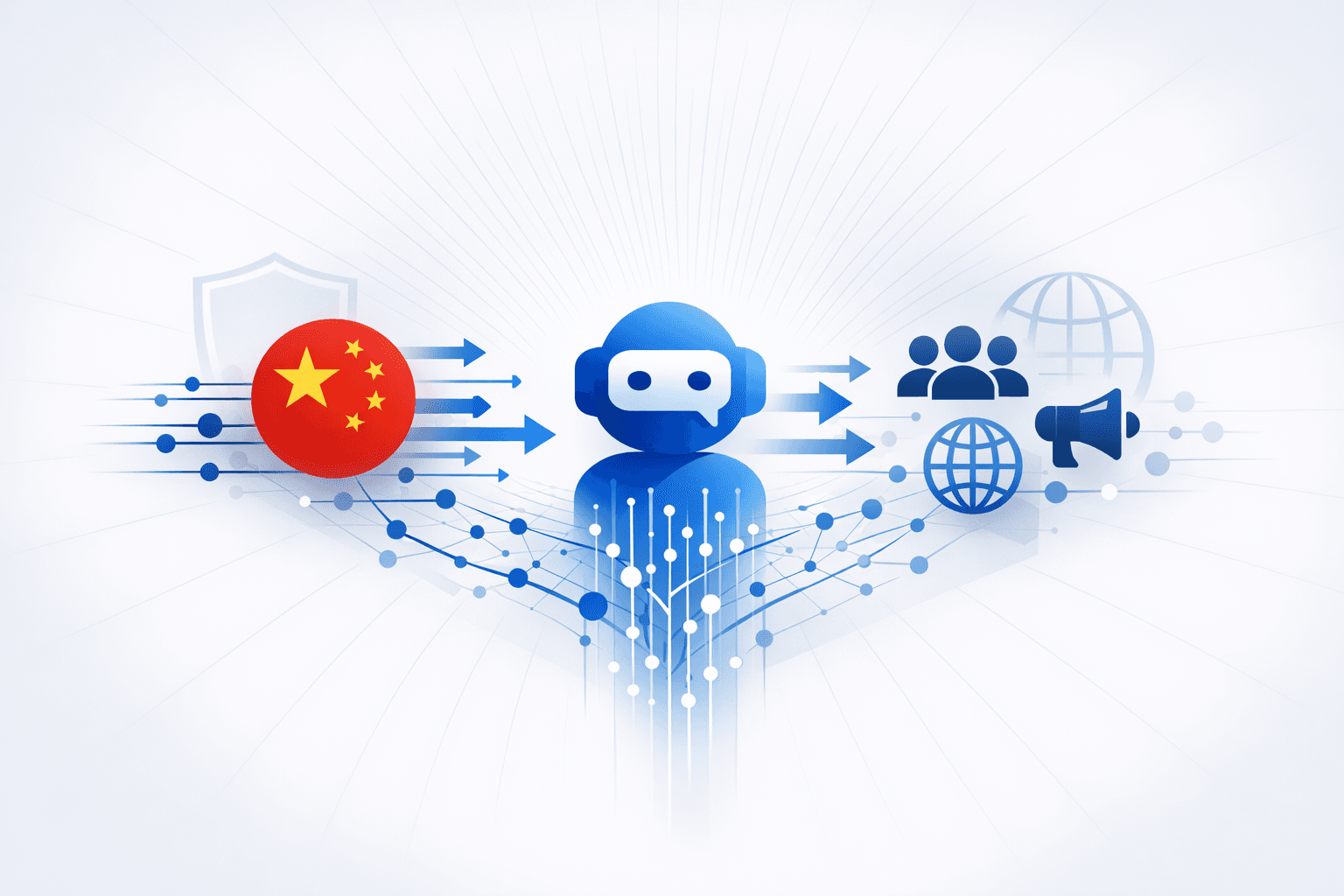
OpenAI said two likely China-linked influence operations used ChatGPT to generate images and social media posts aimed at divisive U.S. debates over AI infrastructure and trade policy. The clusters, dubbed "Data Center Bandwagon" and "Tech and Tariffs," produced English- and Chinese-language content that portrayed data center expansion as driving up electricity prices, straining power grids, consuming water, and harming the environment, while separate posts framed U.S. tariffs as a covert tool for controlling the global technology landscape. OpenAI said the operators likely originated in China, used VPNs, prompted ChatGPT in simplified Chinese, and posed as Americans on platforms including X and YouTube.
OpenAI assessed that neither campaign achieved meaningful engagement and found no evidence the operators created the underlying controversies or materially shaped them, but the activity showed how AI tools can be used to amplify existing domestic disputes. The company also found the actors used ChatGPT for operational support, including editing work reports containing OPSEC details and discussing ways to exploit Facebook’s ecosystem and evade Meta’s coordinated inauthentic behavior detection. A separate analysis said the activity appeared tied to a private Chinese technology contractor serving provincial government clients, reflecting a deniable, scalable model aligned with broader Chinese propaganda patterns and strategic competition over U.S. AI and data center buildout.
Why it matters
Impact assessment
OpenAI identified two likely China-linked influence operations using ChatGPT to amplify divisive narratives around U.S. data center expansion, tariffs, and related technology policy debates. The directly affected population is social media users, policymakers, AI infrastructure stakeholders, and communities debating new data center projects; the broader risk is reputational and policy distortion rather than network compromise or direct data loss.
OpenAI reported no system breach and assessed both campaigns as low-impact in terms of audience reach, with little to no meaningful authentic engagement. The exposure is targeted at U.S. public discourse and overseas Chinese dissidents rather than a widespread technical compromise, but it demonstrates an operational model in which PRC-linked actors use commercial AI platforms, fake personas, and multilingual content to scale covert influence activity.
Supporting facts
- Entities involved:
- OpenAI
- Campaigns: Data Center Bandwagon, Tech and Tariffs
- Platforms: X, YouTube, Facebook ecosystem discussed by operators
- Likely origin: China
- Assessed operator linkage: private Chinese technology company serving provincial-level government clients
- Themes targeted:
- U.S. AI infrastructure and data center expansion
- Electricity prices, grid strain, water use, environmental harm
- U.S. tariffs and technology competition
- False claims of a ChatGPT user data compromise
- Affected groups:
- U.S. communities debating data center projects
- AI and hyperscale infrastructure operators
- Policymakers and regulators
- Overseas Chinese dissidents, including targeting of activist Li Ying
- Severity:
- No evidence of data theft or system intrusion
- Primary risks are influence, reputational harm, and manipulation of public debate
- OpenAI assessed the campaigns did not materially shape the underlying controversies
- Scope and exploitation status:
- Known activity occurred in the wild on social platforms using fake accounts
- OpenAI rated the activity as Category One / low breakout, indicating confinement to limited platforms and no meaningful spread to genuine audiences