Mallory
← Back to News
ai-platform-securitydata-exfiltration-methodcloud-service-vulnerabilityendpoint-software-vulnerability

OpenAI Fixes ChatGPT Lockdown Mode Bypass Enabling Silent Chat Exfiltration

Emerging Technology Risk · 8 sources · Updated 22d ago · First seen Sep 18, 2026
OpenAI Fixes ChatGPT Lockdown Mode Bypass Enabling Silent Chat Exfiltration

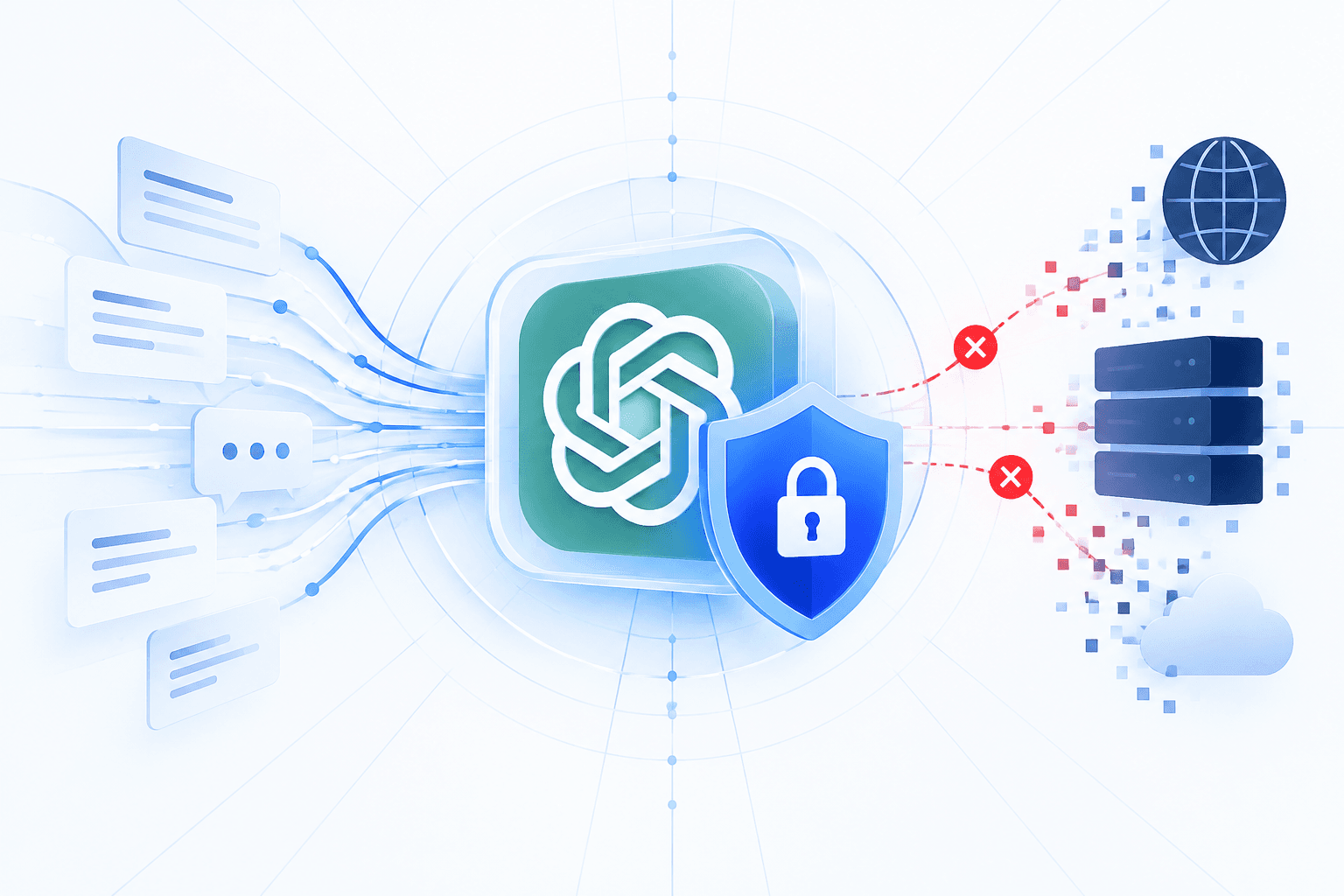
Check Point Research disclosed a flaw in ChatGPT’s HTML-preview sandbox that bypassed Lockdown Mode, enabling conversation-data exfiltration and phishing and malware-delivery scenarios. Attackers could obtain an unrestricted window-opening function from a nested iframe and exploit permissive sandbox settings to open attacker-controlled windows outside the intended restrictions on outbound communication. Researchers demonstrated a malicious GPT silently transmitting conversation data to an attacker-controlled server without a user gesture in the Electron-based ChatGPT Classic desktop application; the underlying bypass was not limited to desktop use.

Other demonstrated scenarios used attacker-controlled windows to impersonate ChatGPT updates or force sign-outs followed by credential-phishing lures. File downloads in the desktop application still required a user click, distinguishing those scenarios from the zero-click exfiltration demonstration. OpenAI told researchers on September 18, 2026, that it had deployed a fix removing the relevant sandbox permissions, and Check Point’s subsequent testing confirmed that the demonstrated exploitation technique no longer worked.

Why it matters

ChatGPT users encountering malicious prompts, custom GPTs, or shared chats were potentially exposed to conversation theft, credential phishing, and deceptive malware downloads despite Lockdown Mode. Check Point demonstrated silent chat exfiltration in the Electron-based ChatGPT Classic application; uploaded-file theft was identified as a potential consequence, but the supplied content reports no confirmed malicious exploitation in the wild. OpenAI reported deploying a fix on September 18, 2026, and researchers verified that the demonstrated bypass no longer worked, reducing current exposure to this specific technique.

  • Industry-specific impact is not established. Confidential business information and high-risk users such as executives and security teams were potentially exposed, but no affected organization or targeted industry is identified. These are cross-sector user populations, not evidence of sector-specific impact. Primary research
  • Geography-specific impact is not established. The references identify no affected countries, geographic targeting, or jurisdiction-specific obligations. Primary research
  • Scope and severity: The underlying bypass affected both browser and desktop contexts, but the demonstrated zero-click exfiltration depended on desktop behavior. Potential consequences included sensitive-data disclosure, account compromise, and malware delivery; desktop file downloads still required a user click.
New surface, new adversariesTrack how attackers are adapting to this technology.
Track this risk
Event timeline

How this story unfolded

Events from the most recent confirmed update back to the earliest known activity.

12 events · Feb 2026 – Nov 5, 2026
  1. Reported Nov 5, 202623d ago

    Check Point verifies that the demonstrated exploitation technique is blocked

    Check Point Research retested the vulnerability after OpenAI's fix and confirmed that the described exploitation technique no longer worked.

    ChatGPT Lockdown Mode Bypass: AI Security Risks | Check Point
  2. Reported Nov 5, 202623d ago

    Check Point responsibly discloses the vulnerability to OpenAI

    Check Point Research responsibly disclosed the HTML-preview sandbox vulnerability to OpenAI.

    ChatGPT Lockdown Mode Bypass: AI Security Risks | Check Point
  3. Reported Nov 5, 202623d ago

    Researchers demonstrate forced sign-out supporting credential phishing

    Researchers found they could manipulate the main ChatGPT application window to forcibly sign out the user. This created an opportunity to direct the user to an attacker-controlled reauthentication page to steal credentials.

    ChatGPT Lockdown Mode Bypass: AI Security Risks | Check Point
  4. Reported Nov 5, 202623d ago

    Researchers demonstrate a fake ChatGPT update lure

    Researchers used an attacker-controlled popup retaining the ChatGPT application icon to present malware disguised as an application update. Downloading the file in the desktop application still required a user click.

    ChatGPT Lockdown Mode Bypass: AI Security Risks | Check Point
  5. Reported Nov 5, 202623d ago

    Researchers demonstrate zero-click conversation exfiltration

    Researchers demonstrated a malicious GPT silently sending chat messages to an attacker-controlled server in the Electron-based ChatGPT desktop application. The demonstration worked with Lockdown Mode enabled and required no additional click or approval before exfiltration began.

    ChatGPT Lockdown Mode Bypass: AI Security Risks | Check Point
  6. Reported Nov 5, 202623d ago

    Check Point discovers a Lockdown Mode bypass in ChatGPT's HTML sandbox

    Check Point Research found that an additional nested iframe could expose an unmodified popup function, bypassing ChatGPT's approval controls. Permissive sandbox settings allowed resulting popups to escape restrictions and communicate externally despite Lockdown Mode.

    ChatGPT Lockdown Mode Bypass: AI Security Risks | Check Point
  7. Nov 5, 202624d ago

    Check Point publishes report on ChatGPT Lockdown Mode bypass

    Check Point Research published its report detailing how ChatGPT's HTML-preview sandbox flaw enabled unauthorized popups, phishing scenarios, and silent exfiltration of conversations and uploaded files in the ChatGPT Classic desktop app. Publication followed OpenAI's remediation and Check Point's verification that the bypass no longer worked.

    Hackers Could Bypass ChatGPT Lockdown Mode to Steal Conversations Without Users Knowing | Cryptika Cybersecurity
  8. Sep 18, 20262mo ago

    OpenAI confirms deployment of a sandbox-permission fix

    OpenAI informed Check Point Research that it had deployed a fix removing allow-popups and allow-popups-to-escape-sandbox from the outer HTML-preview sandbox iframe.

    ChatGPT Lockdown Mode Bypass: AI Security Risks | Check Point
  9. Reported Jul 2, 20265mo ago

    Researchers demonstrate SkillJacking takeover of seedance2-api's source repository

    Researchers reported reclaiming the deleted GitHub username hexiaochun and recreating the seedance2-api repository in a controlled proof of concept, demonstrating control over the live source used to install a skills.sh skill with 11,483 installs. They used a conspicuous, harmless test payload and stated that no malicious content was pushed to the real public skill.

    SkillJacking - 925 Skills Hijacked From Their Maintainers, Affecting 134K Agents
  10. Jun 2026

    OpenAI introduces ChatGPT Lockdown Mode

    OpenAI introduced Lockdown Mode as an optional ChatGPT setting to reduce prompt-injection-related data-exfiltration risks. The setting limits outbound network requests that could transfer sensitive conversation information to attacker-controlled infrastructure.

    Researchers Bypass ChatGPT Lockdown Mode to Exfiltrate Chats Without User Interaction
  11. Feb 13, 202610mo ago

    OpenAI launches ChatGPT Lockdown Mode for business plans

    OpenAI launched Lockdown Mode for ChatGPT business plans to reduce prompt-injection and data-exfiltration risks by restricting network access and related features. This preceded its extension to personal accounts in June 2026.

    Hackers Could Bypass ChatGPT Lockdown Mode to Steal Conversations Without Users Knowing
  12. Feb 2026

    OpenAI introduces HTML previews in ChatGPT code blocks

    OpenAI introduced HTML page previews in ChatGPT code blocks, providing the rendering environment in which researchers later identified a Lockdown Mode bypass.

    ChatGPT Lockdown Mode Bypass: Phishing, Malware Delivery, and Silent Data Exfiltration - Check Point Research
Linked entities

Related entities

Vulnerabilities, threat actors, malware, products, organizations, and breaches Mallory has linked to this story.

Open in app →

Affected products

1 linked
Chatgpt

Organizations

1 linked
Openai
Do you run this?Follow how adversaries are adapting to this technology, and where it touches your stack today.
Track This Risk
Mallory platform

See the full picture, correlated to your attack surface.

This page covers what’s public. Mallory adds the parts that aren’t: which of your assets are affected, which threat actors are using it right now, and what to deploy next.

Exposure mappingMap indicators from this story to your assets and identify affected systems in minutes.
Threat actor evidenceEvery observed campaign, victim, and pivot linked to actors named in this story.
Associated malwareMalware, exploits, and IOCs connected to the activity described here.
Detection signaturesYARA, Sigma, and Snort rules deployed to your SIEM as soon as they’re published.
Scheduled alertsGet matching new stories delivered to your team as they break, not the next morning.
AI threadsAsk questions about this story and take action on the answers.