OpenAI Adds ChatGPT Lockdown Mode and Elevated Risk Labels to Reduce Prompt-Injection Exfiltration
Emerging Technology Risk · 2 sources · Updated 5mo ago · First seen Feb 17, 2026

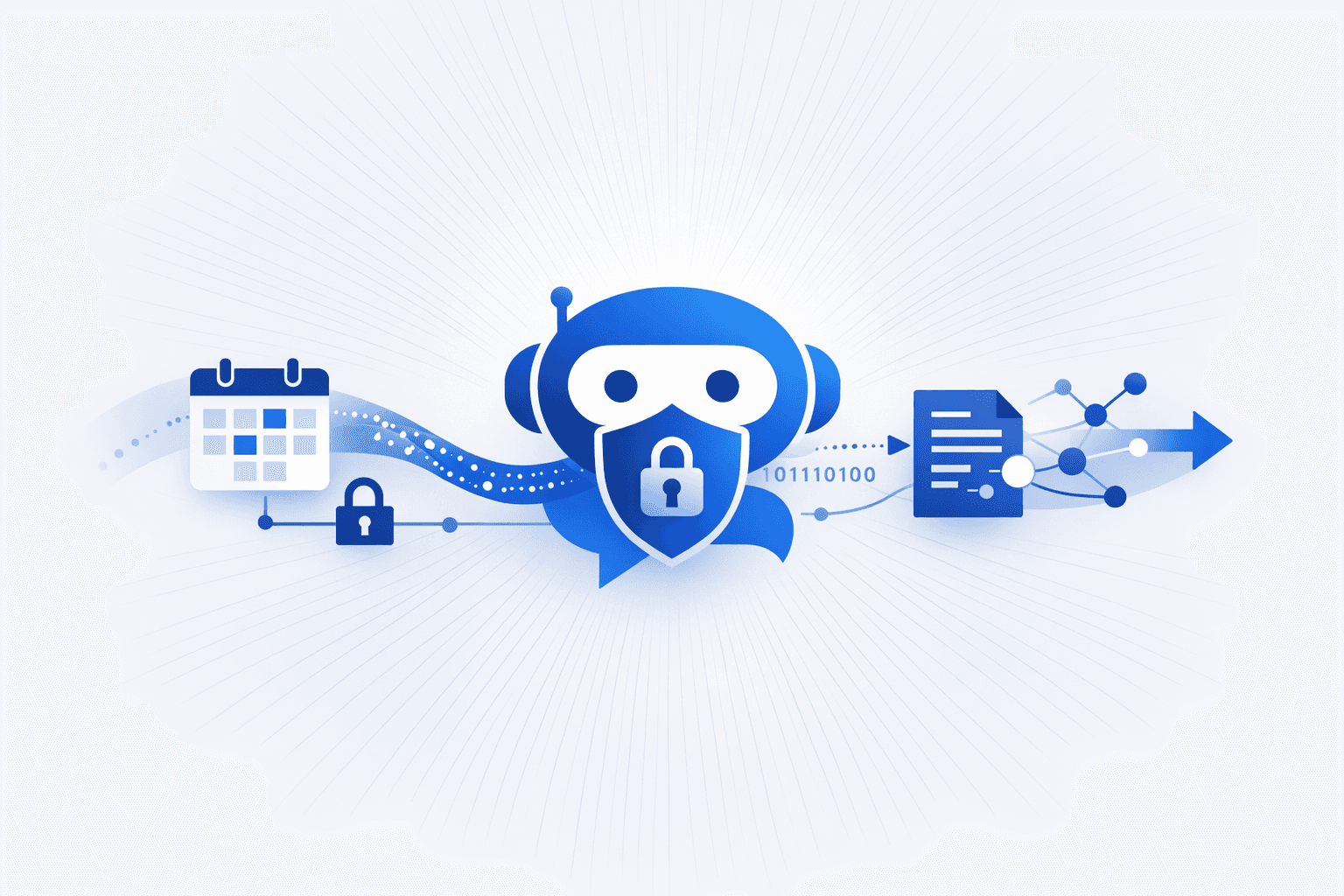
OpenAI introduced Lockdown Mode and Elevated Risk labels in ChatGPT to reduce exposure to prompt injection and related data-exfiltration risks when AI features interact with external systems. Lockdown Mode is positioned as an optional, advanced setting for higher-risk users and environments (notably ChatGPT Enterprise, Edu, for Healthcare, and for Teachers) that restricts tool access and limits how ChatGPT can reach outside systems; reported controls include disabling or constraining capabilities attackers could abuse via conversations or connected apps, and limiting browsing so that no live network requests leave OpenAI-controlled infrastructure (with browsing constrained to cached content). Admins can enable the setting via workspace controls and apply additional restrictions through dedicated roles, while Elevated Risk labels provide in-product warnings and guidance for features that increase risk when connecting to apps or the web, including across ChatGPT, ChatGPT Atlas, and Codex.
Separate research highlighted how AI assistants with web-browsing/URL-fetching features can be abused as stealthy command-and-control (C2) relays, demonstrating a technique against Microsoft Copilot and xAI Grok that tunnels operator commands and victim data through legitimate AI web interfaces and can work without an API key or registered account. In parallel, the European Parliament reportedly disabled built-in AI tools on lawmakers’ work devices due to cybersecurity and privacy concerns about uploading sensitive correspondence to third-party cloud AI providers and uncertainty about what data is shared and retained. Other referenced material focused on general productivity customization of ChatGPT via “Custom Instructions,” rather than a specific security event or disclosure.
Why it matters
Impact assessment
OpenAI's new controls address a real enterprise exposure: prompt-injection-driven data exfiltration when AI assistants can browse, call tools, or interact with connected apps. The most affected populations are organizations using ChatGPT Enterprise, Edu, for Healthcare, and for Teachers in regulated, sensitive, or high-trust workflows where users may expose confidential documents, correspondence, or internal systems to AI features.
The immediate impact is risk reduction rather than a newly disclosed software flaw. Severity is potentially high for organizations that allow AI tools to access external systems or sensitive internal content, because successful prompt injection can alter outputs, trigger unintended actions, or exfiltrate confidential data; the exposure is broad across AI-enabled business use cases, but exploitation remains situational and dependent on enabled features and connected data sources.
Supporting details
- Affected products:
- ChatGPT Enterprise
- ChatGPT Edu
- ChatGPT for Healthcare
- ChatGPT for Teachers
- ChatGPT Atlas
- Codex
- Affected user populations:
- Security-conscious enterprises
- Executives and security professionals
- Regulated-sector users handling sensitive data
- Education and healthcare organizations
- Business risks described:
- Confidential data exfiltration
- Unintended AI actions through connected apps or tools
- Integrity impact on AI-generated outputs
- Privacy and compliance concerns when sensitive data is uploaded to third-party AI services
- Scope of exposure:
- Broad wherever AI assistants are integrated with browsing, app connections, or network-enabled tooling
- Higher risk in environments that permit external connectivity or access to sensitive files and conversations
- Exploitation in the wild:
- No specific in-the-wild exploitation of ChatGPT Lockdown Mode bypasses was reported
- Referenced research described AI assistants with browsing/URL-fetching features being abused as stealthy C2 relays against Microsoft Copilot and xAI Grok, indicating practical adversary interest in this class of abuse