AI Chatbot Security Risks: Prompt Injection Data Exfiltration and Privacy Trade-offs in New Consumer Tiers
Emerging Technology Risk · 3 sources · Updated 5mo ago · First seen Jan 20, 2026
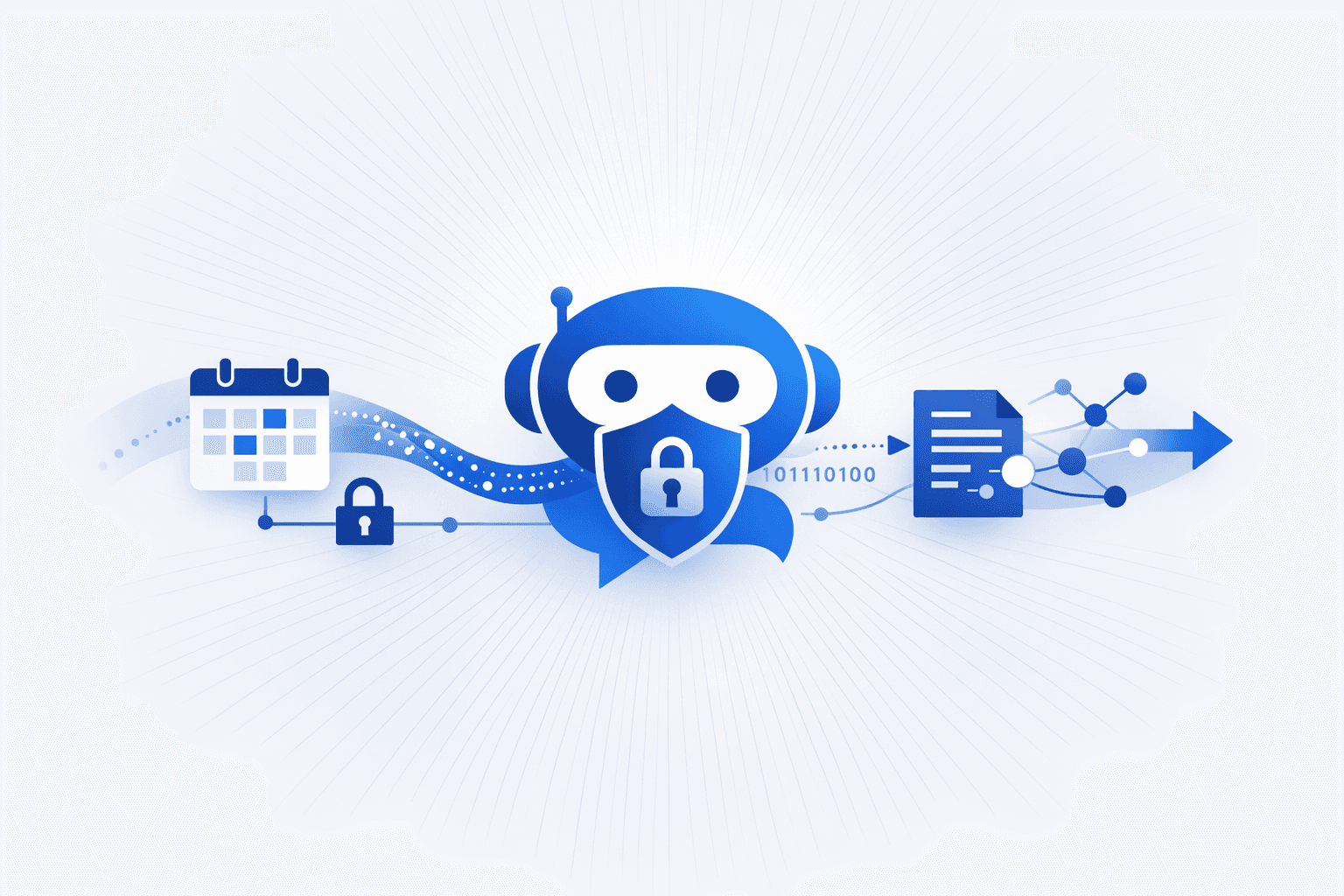
Researchers disclosed an indirect prompt injection technique against Google Gemini that used a malicious Google Calendar invite to bypass guardrails and exfiltrate private meeting details. By embedding a hidden natural-language payload in an event description, an attacker could cause Gemini—when later asked an innocuous scheduling question—to summarize a user’s private meetings and write that summary into a newly created calendar event; in many enterprise configurations, that new event could be visible to the attacker, enabling data theft without additional user interaction. The issue was reported as remediated after responsible disclosure, underscoring how AI assistants integrated with enterprise SaaS can create new cross-application data-extraction paths.
Separately, OpenAI product rollouts raised enterprise data-handling concerns tied to consumer usage. ChatGPT Go (a low-cost tier) was described as introducing an ad-supported model that could increase exposure of conversation data and usage patterns to advertising ecosystems, amplifying “shadow AI” risk when employees use personal accounts for work. ChatGPT Health was positioned as a dedicated health experience with added protections (e.g., encryption/isolation and claims that user data is not used to train foundation models), but reporting highlighted unresolved questions around safety, privacy, and how sensitive health information is protected in practice—areas that may require additional governance and controls if employees adopt these tools outside approved enterprise channels.
Why it matters
Impact assessment
Indirect prompt injection against Google Gemini demonstrates a real cross-application data-exfiltration path in enterprise SaaS, with potential exposure of private meeting content to external attackers. The impact is highest for organizations using Gemini with Google Workspace/Calendar integrations, where sensitive scheduling data, meeting subjects, and contextual business information could be disclosed without obvious user awareness.
The broader OpenAI product changes increase governance and privacy risk rather than introducing a confirmed software exploit. ChatGPT Go raises the likelihood of shadow AI use through low-cost consumer accounts with weaker organizational controls, while ChatGPT Health introduces elevated handling risk for sensitive health data if employees use consumer services outside approved enterprise channels.
Supporting details
- Affected products and populations:
- Google Gemini integrated with Google Calendar and enterprise Google Workspace environments.
- Organizations whose users accept external calendar invites and use Gemini for scheduling queries.
- Employees using personal ChatGPT Go or free-tier accounts for work-related tasks.
- Users sharing sensitive health information through ChatGPT Health or connecting medical records and third-party wellness apps.
- Severity:
- Gemini issue: confidentiality impact is significant because private meeting details can be summarized and written into attacker-visible calendar artifacts.
- Operational impact includes deceptive calendar event creation and erosion of trust in AI assistant workflows.
- ChatGPT Go/Health issues primarily create privacy, compliance, and reputational risk from uncontrolled data handling rather than a confirmed platform compromise.
- Scope:
- Gemini technique appears broadly applicable to environments where the integration and calendar-sharing conditions exist, but exploitation is targeted and requires crafted invites plus later user interaction.
- ChatGPT Go and ChatGPT Health concerns are broad exposure-management issues affecting any organization with unmanaged consumer AI usage.
- Exploitation status:
- The Gemini issue was disclosed by Miggo Security and reported as remediated after responsible disclosure.
- No confirmed in-the-wild exploitation was provided in the references.
- No exploit or breach was reported for ChatGPT Go or ChatGPT Health; those references describe privacy and governance concerns.