OpenAI Adds ChatGPT Lockdown Mode to Curb Prompt-Injection Data Exfiltration
Emerging Technology Risk · 7 sources · Updated 5mo ago · First seen Jun 6, 2026
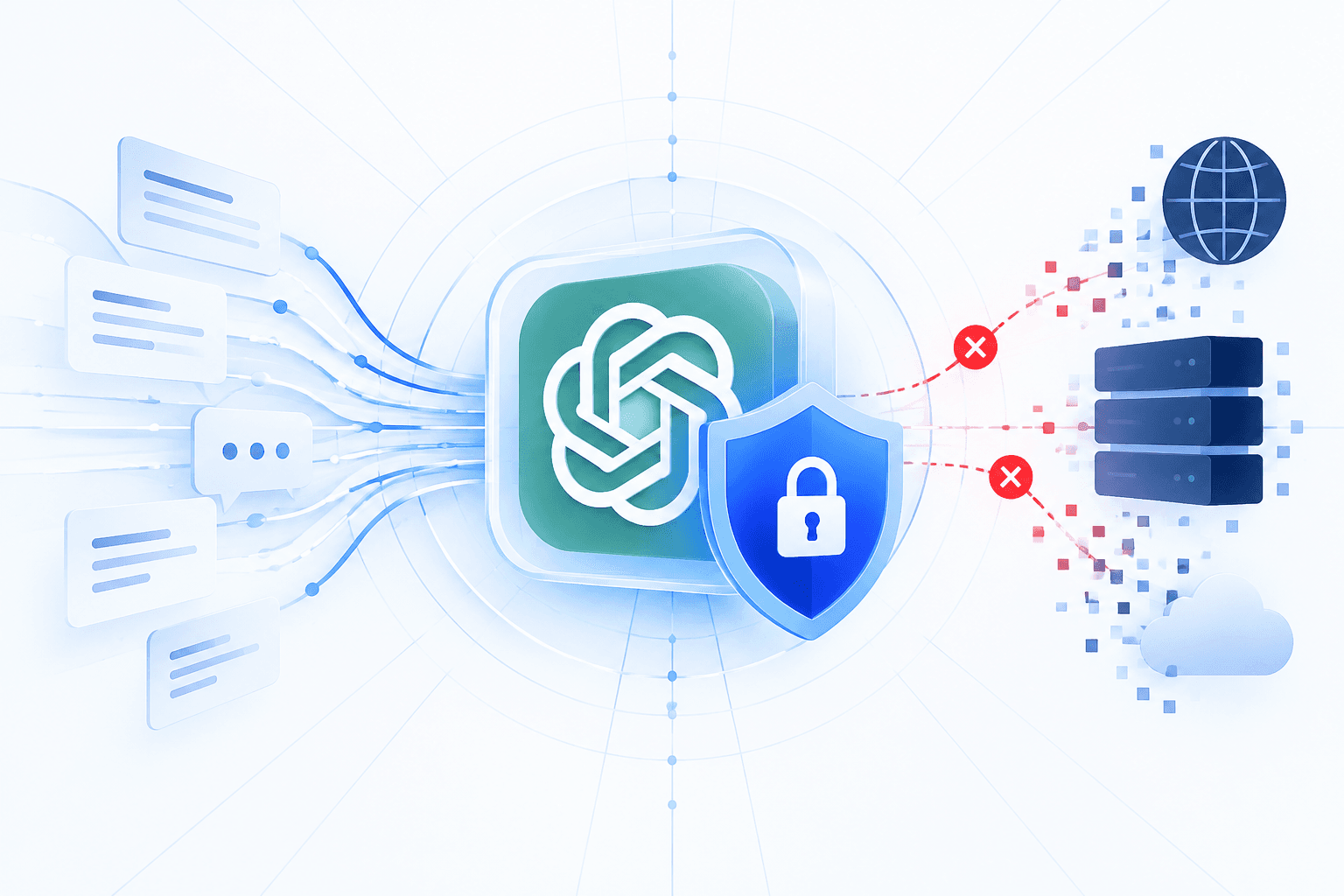
OpenAI has begun rolling out Lockdown Mode for ChatGPT accounts as an optional security setting designed to reduce data exfiltration risk from prompt-injection attacks. The feature is available for eligible personal users across Free, Go, Plus, Pro, and self-serve ChatGPT Business plans, with reporting also indicating availability for managed enterprise workspaces. When enabled, it restricts or disables capabilities that create outbound paths to external services, including live web browsing, image retrieval or support, deep research, agent mode, Canvas networking approvals, and external file downloads.
OpenAI said the control is intended for people handling sensitive data, but warned it does not prevent prompt injections from reaching model context, stop manipulated responses, or guarantee complete prevention of data leakage. The company added that Lockdown Mode cannot be used at the same time as Developer Mode and does not change memory, file upload, or conversation-sharing behavior. For enterprise use, OpenAI said protection also depends on administrator controls such as RBAC, trusted app settings, and connector permissions, while residual risk remains through third-party apps, feature combinations, and emerging attack techniques; it also introduced session-management tools so users can review active ChatGPT sessions and sign out of individual or all sessions if suspicious activity is detected.
Why it matters
Impact assessment
OpenAI's ChatGPT Lockdown Mode is a defensive product change, not a newly disclosed software flaw, but it directly affects organizations using ChatGPT for sensitive workflows. The most affected populations are enterprises, regulated sectors, business users, and individuals handling confidential data because prompt-injection-driven data leakage remains possible without stronger containment controls.
The primary impact is reduction of data exfiltration risk rather than elimination of prompt injection risk. Exposure is broad across ChatGPT plans and workspaces, but the practical risk is highest in targeted or high-sensitivity use cases where users process internal documents, regulated data, financial material, or proprietary research; no specific in-the-wild exploitation incidents or victim cases were cited in the references.
Supporting details
- Affected entities/products:
- OpenAI ChatGPT
- Eligible personal accounts: Free, Go, Plus, Pro
- Self-serve ChatGPT Business
- Managed enterprise workspaces
- Earlier availability referenced for Enterprise, Edu, Healthcare, and Teachers
- Most affected user populations:
- Organizations handling confidential or regulated information
- Security-sensitive specialists and executives
- Users processing uploaded internal documents or relying on web-connected AI features
- Severity considerations:
- Potential confidentiality impact from prompt-injection-induced data leakage
- Potential integrity impact from manipulated or incorrect model responses
- Operational tradeoff from disabling research, agentic, and network-connected features
- Reputational and compliance risk if sensitive data is exposed through AI-assisted workflows
- Scope:
- Broad product rollout across multiple ChatGPT plans
- Risk remains more acute for targeted, high-value data handling rather than general consumer use
- Exploitation status:
- References describe prompt injection as a major unresolved AI security problem
- No named threat actors, campaigns, or confirmed exploitation incidents were provided