Mallory
← Back to News
state-sponsored-espionagecredential-access-methodinitial-access-methodactively-exploited-vulnerability

Suspected Russian SVR Campaign Targets Mobile Devices to Steal Login Cookies

Active Exploitation · 28 sources · Updated 21d ago · First seen Nov 4, 2026

Suspected Russian SVR Campaign Targets Mobile Devices to Steal Login Cookies

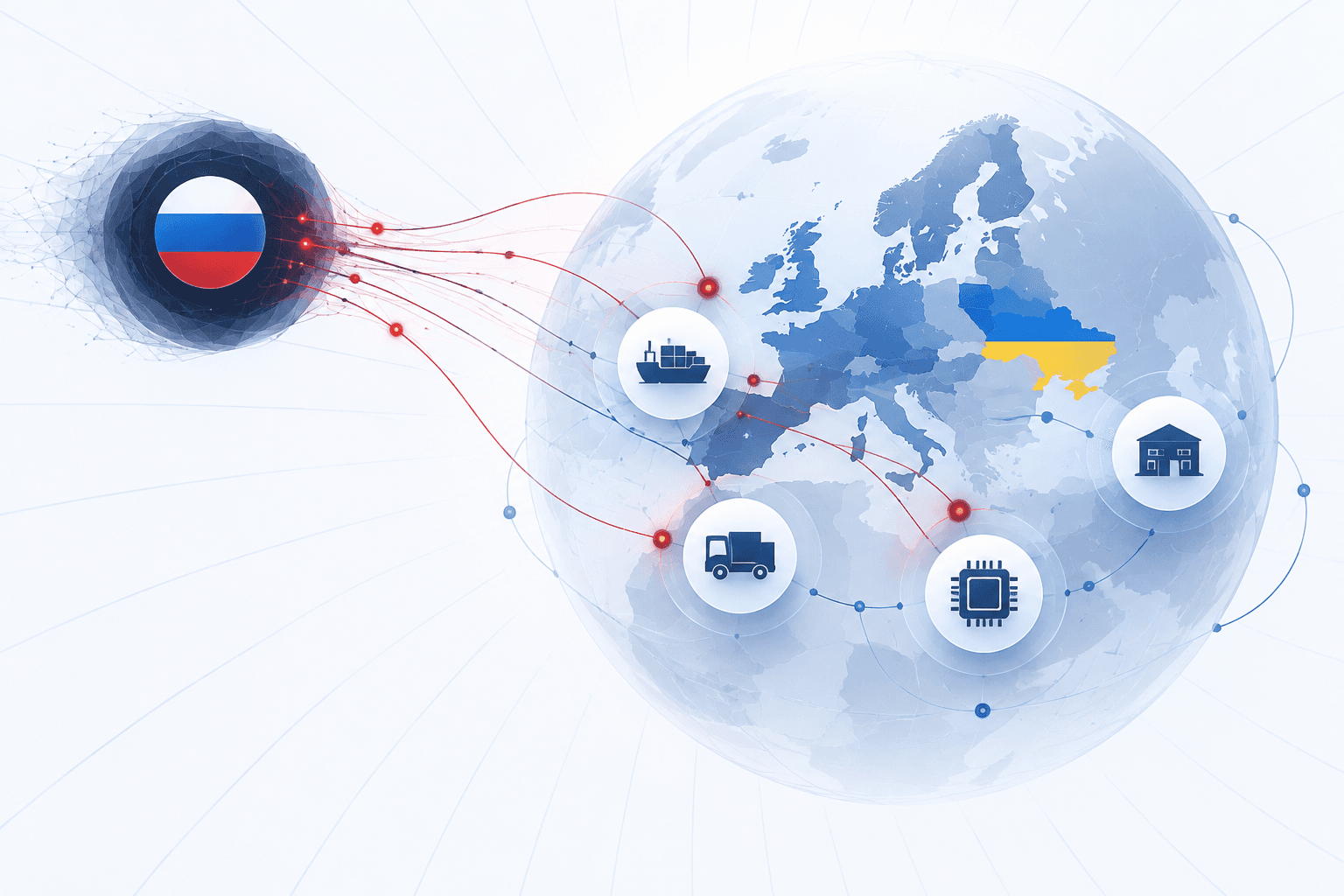
Sekoia identified a large-scale watering hole campaign targeting outdated iOS and Android devices to steal browser authentication cookies and other sensitive data. Detected in mid-October 2026, the operation used compromised websites, lookalike and reverse-proxy phishing domains, and a compromised Ukrainian web analytics service from Plerdy. Sekoia attributed the activity with moderate to high confidence to Russia’s Foreign Intelligence Service, associated with APT29, Cozy Bear and Midnight Blizzard. Targeted websites included those associated with a Ukrainian gas producer, a U.S. chemical industry trade association, America250 and a Bulgarian military-related organization.

The attackers exploited known, already-patched vulnerabilities and prioritized intelligence collection rather than persistent access to devices. Stolen session cookies could enable access to corporate and cloud accounts without passwords or additional multifactor authentication challenges, while other collected data could support spear phishing and account takeovers. Sekoia investigated with CERT-UA and an unnamed partner and contacted 25 providers and hosting companies to request infrastructure takedowns. Organizations should prioritize mobile OS updates and revoke potentially exposed sessions, rather than rely on password resets alone.

Why it matters

Summary

Poisoned Source is an active-exploitation mobile espionage campaign that Sekoia attributes to APT29/SVR with moderate-to-high confidence, targeting vulnerable iPhones and Android devices through compromised websites, reverse-proxy impersonation sites, and a compromised Plerdy analytics script. Stolen authentication cookies could expose corporate webmail and cloud services without a fresh password or MFA challenge; other payloads collect communications, credentials, photos, and location information. Potential exposure spans hundreds of websites, but the number of successfully compromised phones and volume of stolen data remain unknown; fully updated devices are protected against the documented chains, according to the reporting.

Supported impact

  • Industry-specific impact: Yes, across several sectors, without evidence of a consistent or exclusive sectoral targeting pattern. Energy is supported by a compromised Ukrainian gas producer; Materials by a compromised association representing U.S. chemical companies; Health Care by a compromised Australian medical clinic; and Civil Society & Non-Profit by affected trade-association and political-organization websites. Military & Defense exposure includes a Bulgarian military-related website and Ukrainian army, special-forces, and military-equipment websites loading the compromised tracker. These are affected delivery surfaces and audiences, not proof that every organization's personnel or phones were compromised. Security Affairs
  • Information Technology is directly affected: Plerdy confirmed stolen administrator credentials, alteration of customer-facing code, and access to client-account names and email addresses. Its statement that it found no evidence of visitor-data collection through its own systems does not rule out theft by the separately delivered mobile payloads. Breachnews
  • Government & Public Sector has a specific response obligation: covered U.S. federal civilian agencies reportedly must remediate CVE-2024-27834 by November 18, 2026. This obligation does not establish that those agencies were compromised in this campaign. TechRepublic
  • Geography-specific impact: Yes. Ukraine, the United States, the Czech Republic, Bulgaria, and Australia have concrete affected website operations: respectively, a gas producer and military-related sites; a chemical-industry association; a political movement; a military-related organization; and a medical clinic. Ukraine was a particular exposure concentration because most Plerdy customer websites were Ukrainian. Security Affairs
  • United Kingdom targeting is supported by the reverse-proxy impersonation of Raffles London at The OWO and reporting of selected UK targets. Targeting diplomats or prominent guests remains a hypothesis; neither compromise of the legitimate hotel website nor compromise of any named guest is established. Breachnews
  • Operational consequences are primarily confidentiality loss, account takeover, and follow-on identity/cloud intrusion. Nonpersistent payloads can still cause lasting harm because rebooting does not invalidate stolen sessions or recover exfiltrated information.

This is being exploited nowSee which actors are running it and whether you're in range.
Check your exposure
Event timeline

How this story unfolded

Events from the most recent confirmed update back to the earliest known activity.

18 events · 2024 – Nov 4, 2026
  1. Reported Nov 6, 202622d ago

    UltimateFingerprinter profiling tool selects platform-specific mobile exploits

    The campaign analysis identified an attacker-named tool, UltimateFingerprinter, embedded in a 2.3 MB minified AngularJS bundle. It reportedly collected 394 browser and device configuration fields and transmitted them to a delivery endpoint that returned a platform-specific exploit.

    APT29 : campagne de watering hole ciblant iOS et Android via des exploits n-day | CyberVeille
  2. Reported Nov 5, 202623d ago

    Sekoia estimates several thousand people potentially affected by mobile campaign

    Sekoia analyst Amaury-Jacques Garçon estimated that several thousand people were potentially affected by the APT29-linked mobile watering-hole campaign. He cautioned that estimating the number was difficult because it depended on traffic to each website; the estimate did not establish a confirmed compromise count.

    Cyberespionnage: la Russie soupçonnée d'être à l'origine d'une nouvelle campagne visant à extraire les données de smartphones en piégeant des sites web
  3. Reported Nov 4, 202624d ago

    Australian medical clinic website identified in APT29 watering-hole campaign

    Sekoia identified an Australian medical clinic’s website as compromised in the APT29-linked mobile watering-hole campaign. It assessed with low confidence that sites without obvious strategic value may have been used to target particular individuals.

    Russian hackers target iOS and Android users with n-day exploits - Help Net Security
  4. Reported Nov 4, 202624d ago

    DeadTag uses expired analytics domains to distribute Coruna and DarkSword

    The DeadTag criminal campaign acquired more than 660 expired domains still referenced by websites' analytics and advertising tags, using visitor-profiling scripts to redirect selected visitors. Its iPhone exploitation paths deliver Coruna to devices running iOS 13–17.2.1 and DarkSword P7 to devices running iOS 18.4–18.7.

    APT29-Linked Hackers Hijack Web Analytics Script to Deliver iOS and Android Exploits
  5. Reported Nov 4, 202624d ago

    APT29 campaign also targets European political party and impersonates London hotel

    Sekoia identified malicious JavaScript on a far-right European political party's website and a lookalike domain, theowo[.]club, that proxied Raffles London at The OWO while injecting malicious code. Sekoia assessed that diplomats and high-profile hotel guests were likely intended targets of the hotel impersonation.

    Russian APT29 Hackers Turn Trusted Websites Into Traps to Compromise iPhone and Android Users | Cryptika Cybersecurity
  6. Reported Nov 4, 202624d ago

    Sekoia details iOS exploit chains and Android data theft using AndroSnitch

    Sekoia identified iOS exploit chains capable of stealing Safari cookies, messaging databases, Keychain credentials, location data and photos, alongside an Android chain deploying AndroSnitch to collect Chrome data and saved Wi-Fi credentials. None of the analyzed payloads established persistence; rebooting could stop malicious activity, but revisiting a compromised site could trigger reinfection.

    Hackers use n-day exploits in zero-click attacks on iOS, Android devices
  7. Nov 4, 202625d ago

    CISA adds Apple flaw exploited in mobile campaign to KEV catalog

    On November 4, 2026, CISA added CVE-2024-27834 to its Known Exploited Vulnerabilities catalog and directed federal agencies to patch it within two weeks. The Apple vulnerability was used to bypass Pointer Authentication Codes protection in an iOS exploit chain identified in the APT29-linked watering-hole campaign.

    Russia-Linked Hackers Hit iOS, Android Devices With Exploit Chains via Watering Holes - SecurityWeek
  8. Nov 4, 202625d ago

    Sekoia reveals additional military targets and hundreds of exposed websites

    In research published November 4, Sekoia identified Ukrainian military and military-equipment websites among the APT29-linked campaign's targets. It also reported that the Plerdy compromise exposed hundreds of websites and their visitors, without disclosing how many devices were successfully compromised.

    APT29 Watering Holes Target Unpatched iPhones and Android Devices - Infosecurity Magazine
  9. Reported Nov 4, 202625d ago

    Sekoia requests infrastructure takedowns from 25 providers

    Sekoia contacted 25 providers and hosting companies to request takedowns of malicious domains and IP addresses associated with the campaign.

    Russian Intel Hackers Troll Mobile Devices for Login Cookies
  10. Reported Nov 4, 202625d ago

    Sekoia attributes mobile campaign to Russia's Foreign Intelligence Service

    Sekoia attributed the campaign with moderate to high confidence to Russia's Foreign Intelligence Service, associated with APT29, Cozy Bear and Midnight Blizzard. Supporting evidence included links to earlier campaigns, use of multiple autonomous systems and victim selection aligned with Russian strategic interests.

    Russian Intel Hackers Troll Mobile Devices for Login Cookies
  11. Reported Nov 4, 202625d ago

    Joint investigation links compromised sites and shared delivery infrastructure

    Sekoia coordinated with CERT-UA and an unnamed partner to investigate the campaign, finding traces matching the 2025 watering hole activity. Reuse of a malicious JavaScript filename and internet scanning services helped researchers identify additional victims and attacker-controlled delivery servers.

    Russian Intel Hackers Troll Mobile Devices for Login Cookies
  12. Reported Nov 4, 202625d ago

    Attackers compromise Plerdy analytics tool to expand payload delivery

    Attackers compromised a web analytics tool made by Ukrainian company Plerdy to reach additional websites. The compromise supplemented malicious JavaScript injected into legitimate sites and attacker-registered phishing domains acting as reverse proxies.

    Russian Intel Hackers Troll Mobile Devices for Login Cookies
  13. Oct 2026

    Sekoia detects mobile watering hole campaign stealing authentication cookies

    In mid-October 2026, Sekoia detected a campaign exploiting known, already-patched vulnerabilities on outdated iOS and Android devices to steal browser authentication cookies and other data. Targeted websites included those associated with a Ukrainian gas producer, a U.S. chemical industry trade association, America250 and a Bulgarian military-related organization.

    Russian Intel Hackers Troll Mobile Devices for Login Cookies
  14. Sep 4, 20263mo ago

    Plerdy resets passwords and terminates sessions after analytics-script compromise

    Plerdy removed malicious code on September 3, 2026, replaced compromised credentials, and reset all user passwords and terminated active sessions on September 4. The company confirmed that attackers used stolen administrator credentials in August and accessed client-account contact information, including names and email addresses.

    APT29 Used Hijacked Plerdy Script to Exploit Phones
  15. Reported Jul 28, 20264mo ago

    DarkSword iOS exploit kit uploaded to VirusTotal

    The DarkSword iOS exploit kit, suspected to have been developed by a commercial surveillance vendor, was uploaded to VirusTotal in September 2026. Sekoia identified it as one of the n-day exploit chains delivered by the APT29-linked mobile watering hole campaign.

    Poisoned Source: APT29 Watering Holes Targets Mobile Devices
  16. 2025

    Earlier watering hole campaign leaves traces linked to subsequent attacks

    A watering hole campaign attributed to the same Russian group occurred in 2025. Investigators later found matching traces on a website compromised in the mobile campaign.

    Russian Intel Hackers Troll Mobile Devices for Login Cookies
  17. May 2024

    Apple patches vulnerability later exploited in Poisoned Source

    Apple patched CVE-2024-27834 in May 2024, including in iOS 16.7.8 and iOS 17.5, with fixes also released for other affected Apple operating systems and Safari. The Pointer Authentication bypass vulnerability was later used in an iOS exploit chain identified in the Poisoned Source campaign.

    Hackers Target iPhones and Android Phones: Here’s What We Know
  18. 2024

    APT29 watering hole campaign targets the Mongolian government

    A watering hole campaign attributed to APT29 targeted the Mongolian government in 2024. Sekoia later cited similarities to this campaign, previously reported by Google TAG, as evidence supporting attribution of the mobile attacks.

    Russian Intel Hackers Troll Mobile Devices for Login Cookies
Linked entities

Related entities

Vulnerabilities, threat actors, malware, products, organizations, breaches, and observables Mallory has linked to this story. Indicator values are masked here and available in full in the app.

Open in app →

Threat actors

1 linked

Affected products

5 linked
AndroidSafariIphoneIosChrome

Organizations

5 linked
PlerdyRussian Foreign Intelligence ServiceForeign Intelligence Service of the Russian FederationAmerica250Raffles London at The OWO

Breaches

2 linked
PLERDY-2026-11PLERDY-2026-08

Observables

39 linked

Indicator values are masked on this page. View all 39 in Mallory Domains, IPs, hashes, and URLs are exportable to your SIEM.

Do you run this?Correlate live exploitation activity against the software you actually run, and see where you're exposed.
See Who's Exploiting This
Mallory platform

See the full picture, correlated to your attack surface.

This page covers what’s public. Mallory adds the parts that aren’t: which of your assets are affected, which threat actors are using it right now, and what to deploy next.

Exposure mappingMap indicators from this story to your assets and identify affected systems in minutes.
Threat actor evidenceEvery observed campaign, victim, and pivot linked to actors named in this story.
Associated malwareMalware, exploits, and IOCs connected to the activity described here.
Detection signaturesYARA, Sigma, and Snort rules deployed to your SIEM as soon as they’re published.
Scheduled alertsGet matching new stories delivered to your team as they break, not the next morning.
AI threadsAsk questions about this story and take action on the answers.