Berlin Privacy Authority Finds Four German Parties’ Political Microtargeting Unlawful
Regulatory & Policy · 4 sources · Updated 25d ago · First seen Sep 24, 2021

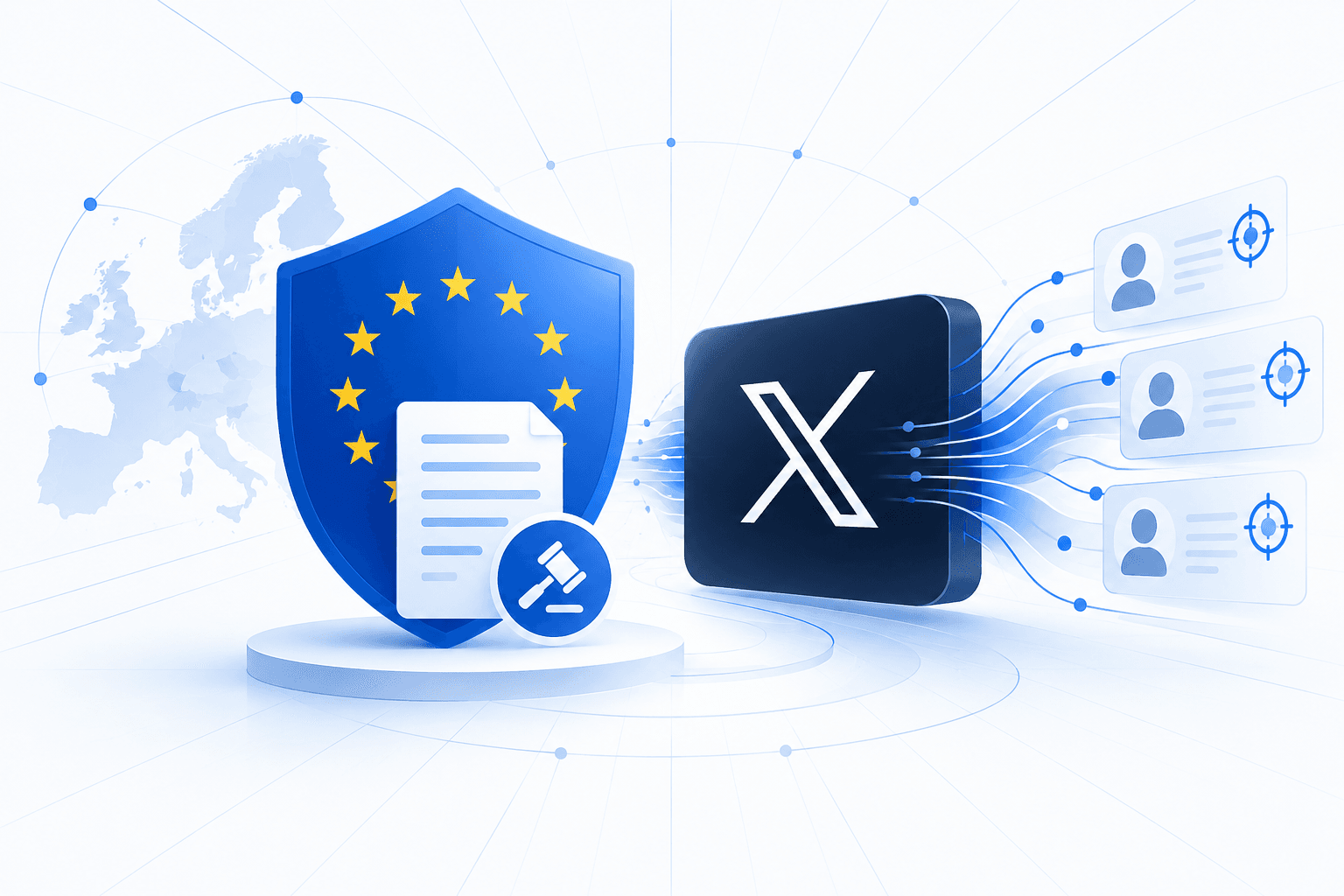
The Berlin Data Protection Authority reprimanded CDU, SPD, Bündnis 90/Die Grünen and DIE LINKE for unlawfully using individuals’ sensitive political interests to target personalized political advertisements on Facebook. The authority found that the parties lacked a legal basis, such as consent, for processing the data. Privacy organization noyb reported the decisions on October 21, 2026. A separate complaint against AfD remains pending, and the Berlin administrative court ruled that AfD must provide information requested by the authority. The decisions did not directly ban microtargeting; noyb called for swift enforcement against continued unlawful use.
The findings follow complaints noyb filed in March 2023, drawing on a ZDF Magazin Royale investigation with transparency initiative Who Targets Me into the 2021 federal election. A browser extension collected targeting information from 17,451 volunteers who saw more than 134,000 Facebook advertisements, enabling scrutiny of targeting practices not fully visible in Facebook’s advertising library. noyb argued that targeting based on inferred political opinions violated the special protections in Article 9 GDPR and enabled contradictory campaign promises to different audiences. In February 2025, noyb reported that none of its complaints had been decided and alleged that sensitive-data and proxy-based targeting continued ahead of another federal election. The rulings underscore the compliance risks of using inferred political interests for advertising without a valid legal basis.
Why it matters
The Berlin Data Protection Authority reprimanded CDU, SPD, Bündnis 90/Die Grünen and DIE LINKE for unlawfully processing sensitive political interests to target Facebook advertisements without a valid legal basis. The established impact is privacy and regulatory noncompliance, with potential reputational damage and changes to campaign operations; the supplied content reports neither fines nor a cybersecurity breach. The decisions concern specific German political parties, not a blanket prohibition on political advertising or microtargeting, and the complaint against AfD remains pending.
- Industry-specific impact: Civil Society & Non-Profit, specifically political organizations, is affected: four named political parties received reprimands over their advertising practices. This is direct sector-specific enforcement, rather than an inference from Facebook usage. October 2026 findings
- Geography-specific impact: Germany is specifically affected: the cases concern German parties targeting users during German federal election campaigns and enforcement by German authorities. The research covered 17,451 volunteers who received more than 134,000 Facebook advertisements; these figures describe the research sample, not a confirmed count of unlawful advertisements or affected individuals. Research evidence
- Observed versus alleged impact: The four reprimands establish unlawful processing in those cases. Continued proxy targeting was reported by noyb in February 2025; the supplied material does not establish its present extent or confirm measured electoral manipulation. February 2025 report