European Regulators and Courts Challenge Publishers’ “Pay or Okay” Tracking Models
Regulatory & Policy · 8 sources · Updated 1mo ago · First seen Mar 25, 2024

German and Austrian enforcement actions have found specific news-site “Pay or Okay” implementations unlawful, intensifying scrutiny of models that require readers to accept tracking or pay for access without it. Lower Saxony’s data protection authority reprimanded heise.de over its 2021 implementation, finding tracking before consent, insufficient purpose-specific choices, inadequate information and consent that was neither freely given nor easily withdrawn. Austria’s Federal Administrative Court upheld a finding against DerStandard.at because its consent lacked granularity for specific processing purposes. Neither decision establishes a blanket prohibition on these models. DerStandard was permitted a further appeal; any referral to the EU’s highest court remains uncertain. Privacy group noyb criticized Heise’s reprimand as insufficient and said its revised banner still obscured privacy choices.
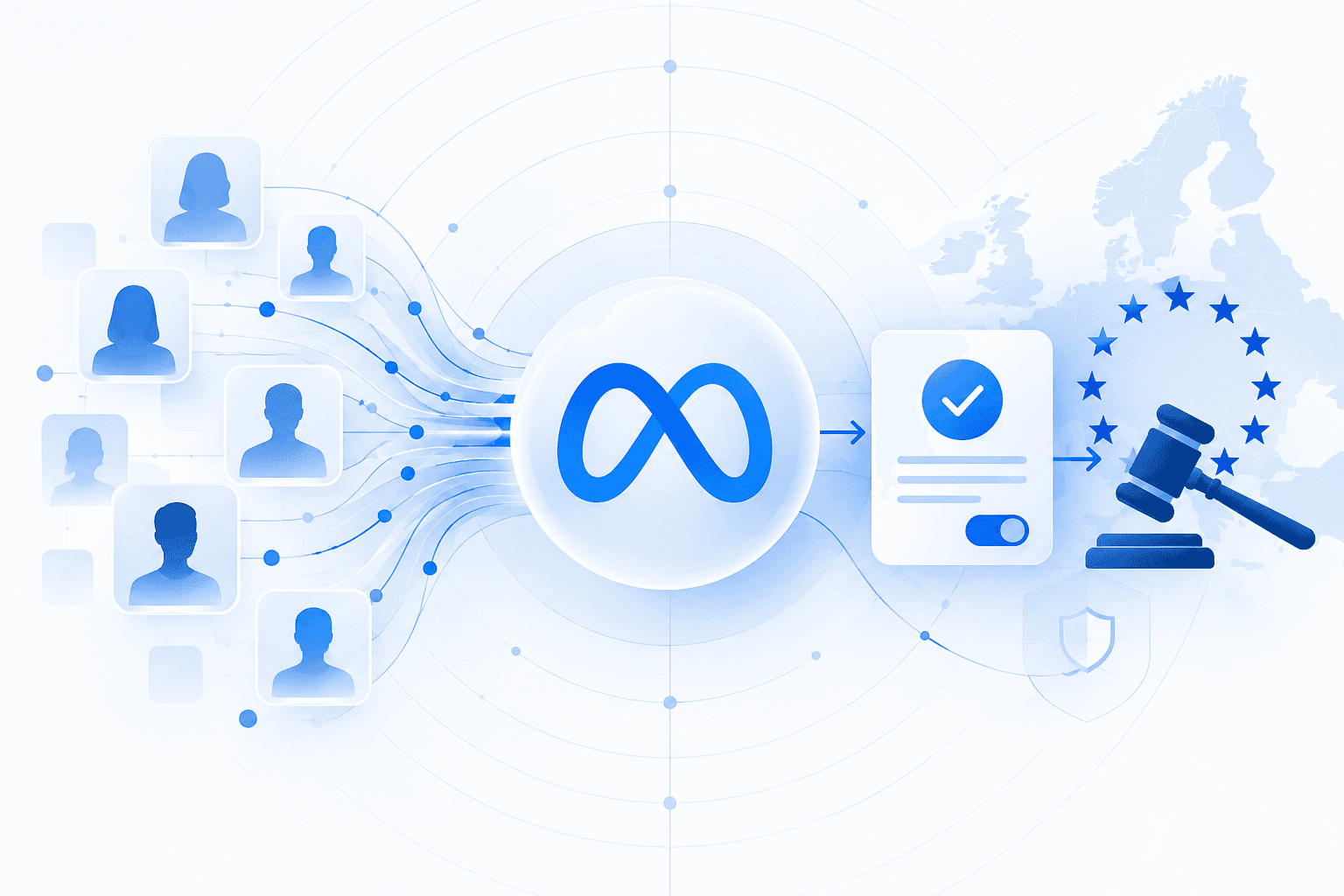
Noyb’s broader campaign targets SPIEGEL.de, Zeit.de, heise.de, FAZ.net, derStandard.at, krone.at and t-online.de, arguing that subscription prices disproportionate to tracking revenue undermine freely given GDPR consent. Related litigation challenges Hamburg’s approval of SPIEGEL’s model and prolonged regulatory inaction on complaints concerning FAZ and t-online. Separately, the European Commission fined Meta €200 million under the Digital Markets Act for its March–November 2024 Facebook and Instagram “consent or pay” model, which lacked an equivalent, less-personalized option; its revised model remained under assessment in the cited decision. The cases highlight distinct GDPR and DMA obligations: organizations using tracking-linked subscriptions should review consent granularity, pre-consent tracking, withdrawal mechanisms and the alternatives offered, rather than assume that a paid option alone establishes compliance.
Why it matters
German and Austrian decisions found specific publisher “Pay or Okay” implementations unlawful, exposing organizations using tracking-linked subscriptions to regulatory action, litigation, consent redesign costs and advertising-revenue disruption. Readers face personal-data processing without valid consent, including distribution to advertising partners; the findings do not establish a blanket prohibition on these models.
- Affected population: European news readers and publishers using tracking-or-payment choices, with broader relevance to organizations operating similar consent systems.
- Enforcement scope: Lower Saxony’s authority reprimanded heise.de over its 2021 implementation; Austria’s Federal Administrative Court upheld findings against DerStandard.at over insufficiently granular consent.
- Financial significance: The European Commission separately fined Meta €200 million under the Digital Markets Act (DMA) for its March–November 2024 Facebook and Instagram model. This is not a GDPR fine or a publisher-wide precedent.
- Business exposure: Invalid consent can undermine the legal basis for advertising-related processing and require changes to consent collection, vendor integrations and monetization.
- Incident status: The sources document privacy compliance failures, not a cyberattack, data breach or exploitation campaign. They do not establish subsequent appeal outcomes or compliance status as of October 2026.