EU Regulators Find Google Analytics Data Transfers to the US Unlawful
Regulatory & Policy · 5 sources · Updated 1mo ago · First seen Sep 3, 2025
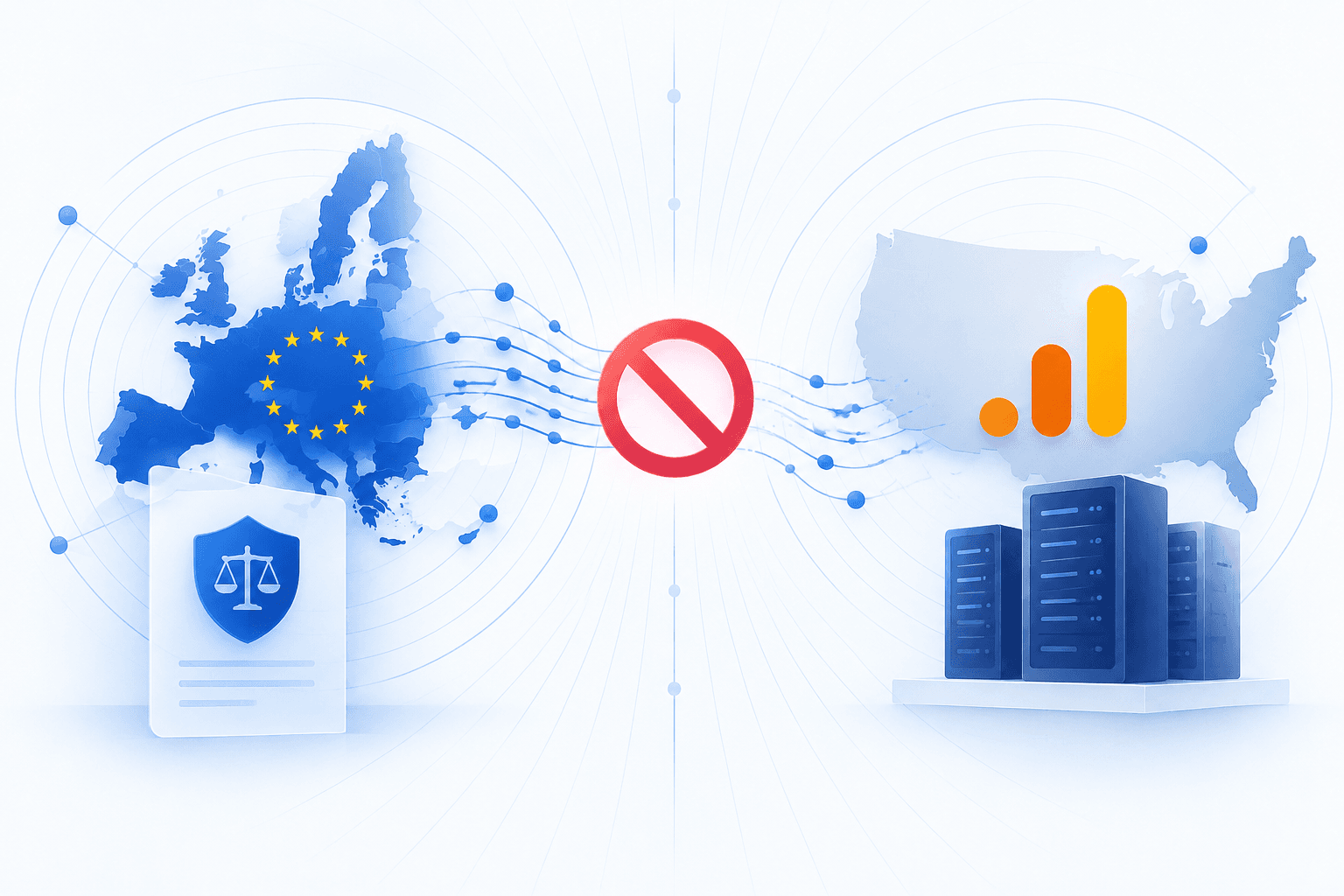
Italian, French and Austrian data protection authorities found that the Google Analytics deployments they examined unlawfully transferred European website users’ personal data to the United States without adequate safeguards. The decisions followed complaints by privacy group noyb and applied the EU Court of Justice’s Schrems II ruling, which invalidated Privacy Shield. France’s CNIL ordered three website operators to bring their processing into GDPR compliance, while Italy’s Garante joined the findings against the examined transfers. Regulators concluded that Google’s safeguards did not adequately protect the data against access by US intelligence agencies.
Austria’s DSB also rejected a proposed risk-based approach to international transfers and found IP anonymization insufficient because it occurred after transfer to Google and left other identifiers unaffected; Italy likewise rejected IP anonymization as an adequate safeguard. The findings underscore that contractual clauses and technical measures must provide effective protection, rather than merely reduce the perceived likelihood of surveillance. Enforcement outcomes differed: Spanish and Luxembourg authorities closed some complaints after operators removed Google Analytics or Facebook tools, without deciding whether earlier transfers were lawful. These were case-specific findings, not evidence of a current EU-wide ban; organizations should assess their analytics deployments against applicable transfer rules and verify that safeguards address access risks.
Why it matters
The examined Google Analytics deployments exposed European website operators to GDPR enforcement because personal data was transferred to the United States without safeguards regulators considered effective against US intelligence access. Consequences include required analytics changes, compliance costs, potential financial penalties, and loss of marketing or measurement continuity; the findings concern specific deployments, not a current EU-wide prohibition on Google Analytics.
- Affected parties: Website operators acting as data controllers, European website users, and organizations relying on US-hosted analytics or tracking services. The European Parliament’s COVID testing website was also subject to a related EDPS finding.
- Exposure scope: Google Analytics is widely deployed, but the references do not establish how many current implementations are noncompliant. Noyb’s campaign involved 101 complaints concerning international transfers.
- Enforcement: France’s CNIL ordered three unnamed website operators to bring processing into compliance. Austrian and Italian authorities also found the examined transfers unlawful.
- Financial exposure: The Austrian report cites potential GDPR penalties of up to €20 million or 4% of global turnover; it does not confirm a fine in that case.
- Incident status: These are regulatory findings, not reported intrusions or confirmed intelligence-service access to the affected data.
- Timing: The references include 2022 decisions and articles carrying 2025 publication metadata. They do not establish the legal status of a particular deployment as of October 2026.