Meta Fined €1.2 Billion Over Unlawful EU–US Facebook Data Transfers
Regulatory & Policy · 20 sources · Updated 1mo ago · First seen Mar 16, 2021
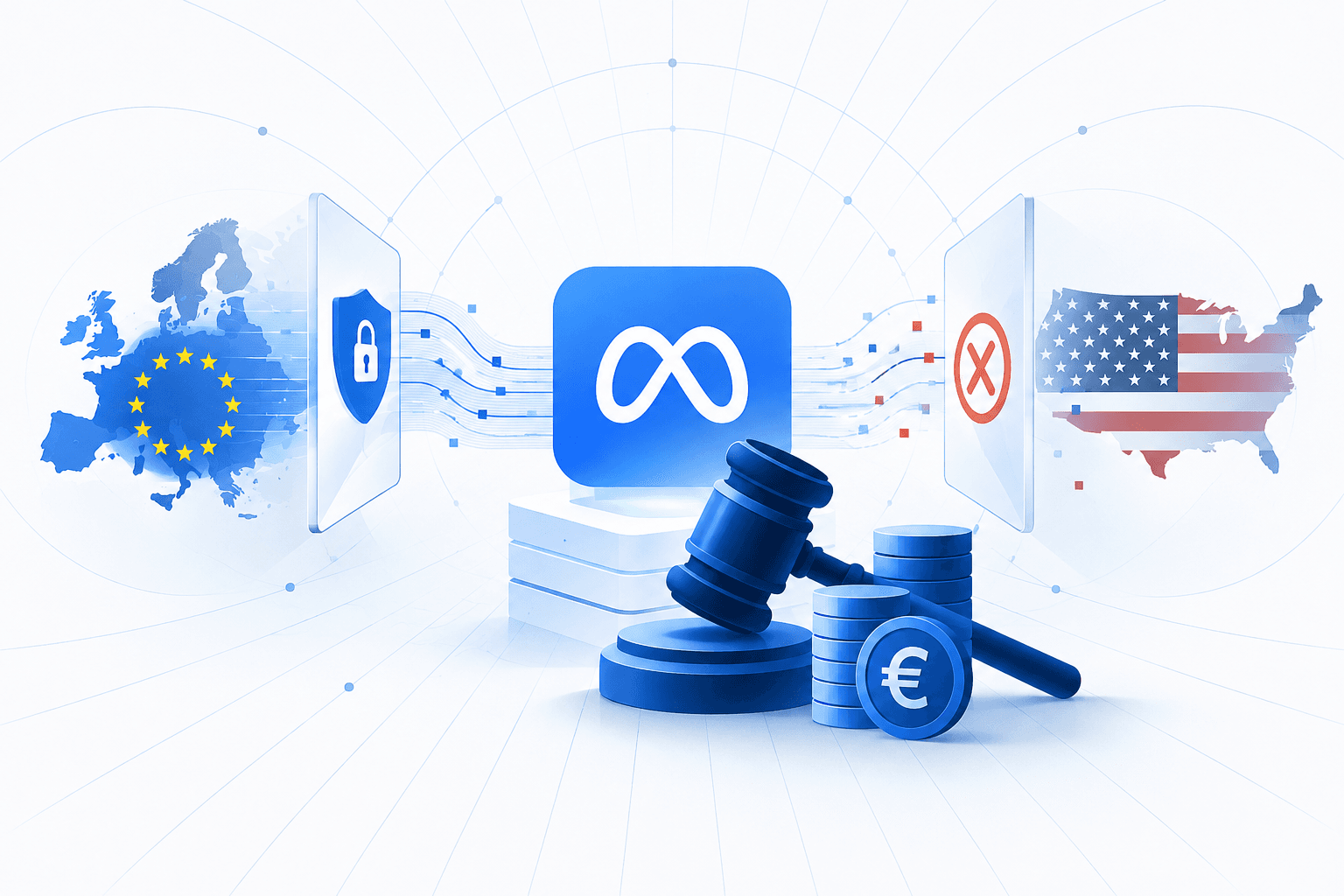
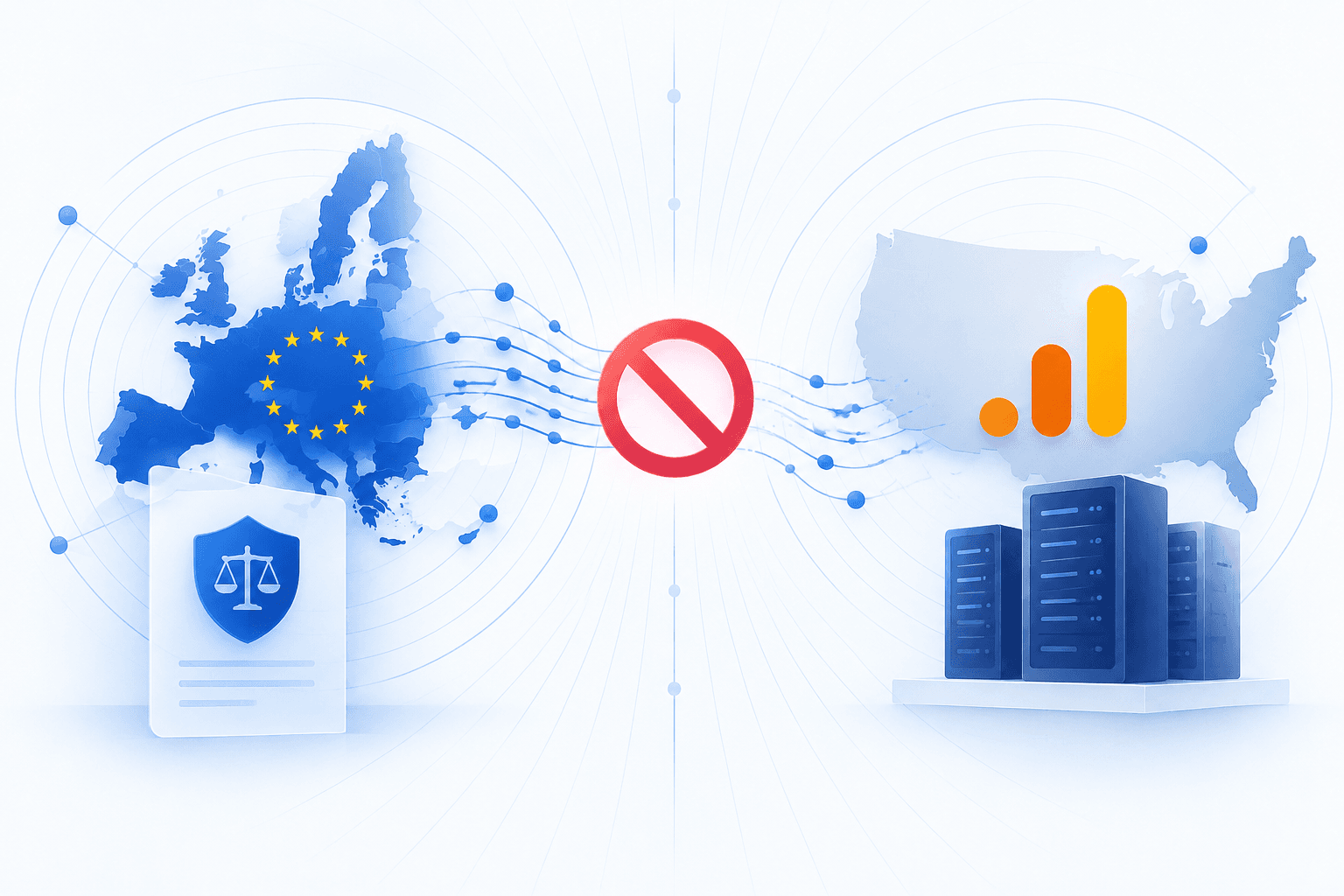
Meta received a €1.2 billion GDPR fine over unlawful transfers of European Facebook users’ personal data to the United States, following roughly a decade of litigation initiated by privacy activist Max Schrems. The enforcement decision required transfers to stop and, according to noyb, affected data to be returned to EU data centers. The dispute concerns conflicts between EU privacy protections and US surveillance powers, particularly FISA Section 702. The CJEU invalidated Safe Harbor and subsequently Privacy Shield, while retaining Standard Contractual Clauses (SCCs) subject to assessments of whether recipients can actually provide adequate protection. Schrems expected Meta to appeal and argued that a replacement transfer agreement would not erase past violations; noyb also highlighted potential damages claims and collective litigation.
The proceedings involved repeated challenges to Ireland’s Data Protection Commission (DPC), including Facebook’s judicial review of its investigation and Schrems’s separate challenge to delays and the suspension of his original complaint. A settlement secured commitments to advance that complaint and permit his participation in a parallel inquiry. Facebook defended SCC-based transfers, citing encryption, security controls and policies for government requests, while noyb disputed whether its transfer impact assessment addressed US surveillance risks. For organizations using overseas providers, the case underscores the importance of documenting transfer mechanisms, assessing recipients and subcontractors, and verifying whether safeguards meaningfully limit government access. EU hosting alone does not necessarily remove that exposure, and narrow GDPR Article 49 exceptions should not be treated as blanket authorization for routine outsourced processing.
Why it matters
Meta’s Facebook operations and European users are directly affected by the reported €1.2 billion GDPR penalty and transfer restrictions; organizations outsourcing European personal-data processing face related compliance and service-continuity risks. Potential consequences include processing relocation, supplier replacement, regulatory penalties, damages claims, and reputational harm—not a reported cyberattack or data breach. This is historical litigation and compliance intelligence: the supplied references do not establish the enforcement decision’s current status or the transfer framework applicable on 23 October 2026.
- Direct exposure: Facebook’s EU–US personal-data transfers. According to noyb, the decision required transfers to stop and affected data to return to EU data centers.
- Broader exposure: Cloud, communications, support, and other outsourced processing involving overseas recipients or subcontractors. The references do not establish equivalent penalties against Amazon, Google, or Microsoft.
- Operational stakes: Remediation can require changes to data location, administrative access, contracts, and processing architecture. EU hosting alone does not establish protection against overseas government access.
- Source limitations: Most references represent noyb’s litigation position; Facebook supplies a competing account of its safeguards. Several references labeled September 2025 describe proceedings and expectations from 2019–2023, so their timestamps do not establish new developments.