Mallory
← Back to News
voice-social-engineeringransomware-group-operationcommunication-services-sector-threattelecommunications-sector-threat

Talos Reports Help Desk Vishing and Rising Ransomware Activity

Social Engineering & Fraud · 2 sources · Updated 26d ago · First seen Oct 29, 2026
Talos Reports Help Desk Vishing and Rising Ransomware Activity

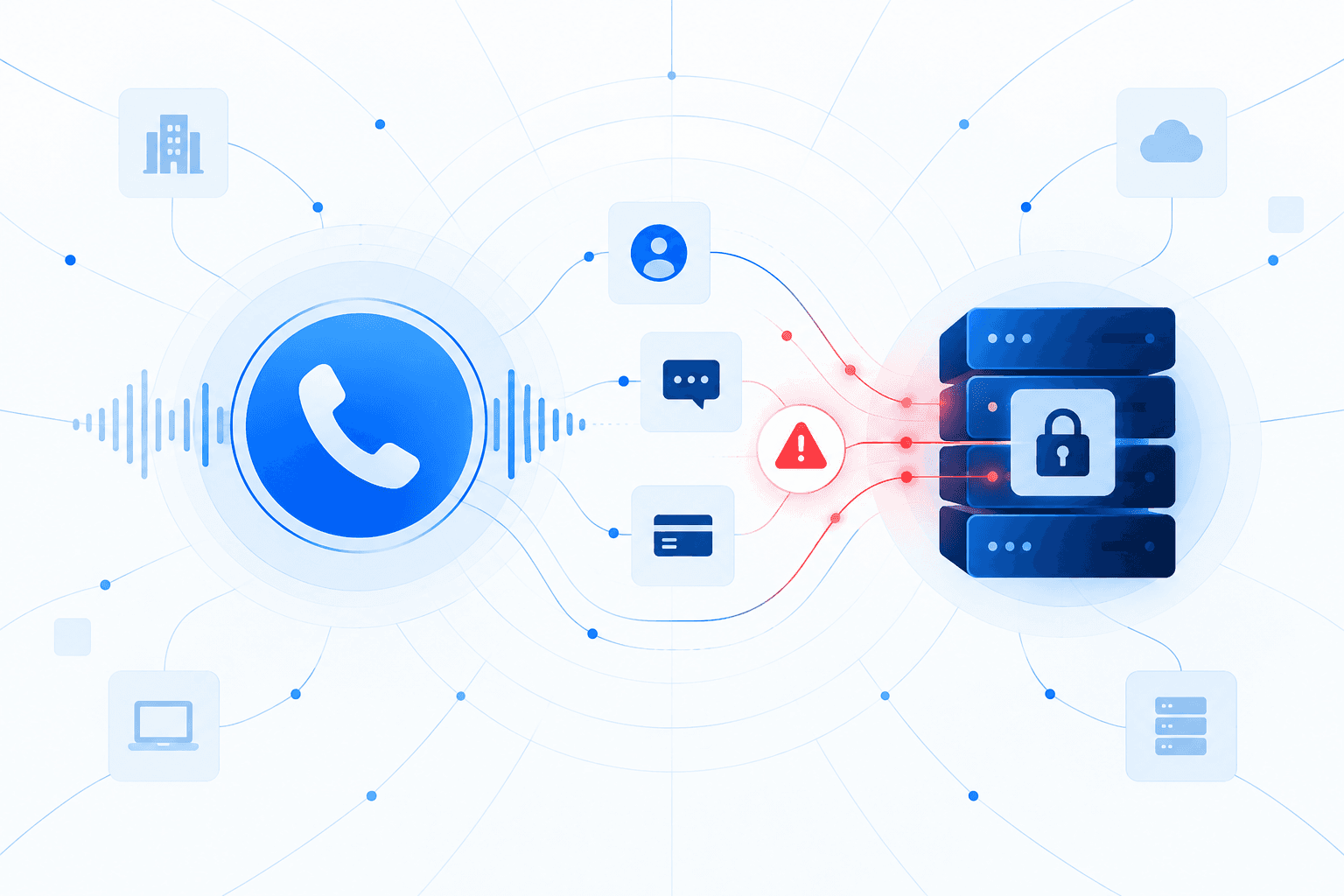
Cisco Talos Incident Response reported that phishing was the leading initial access vector in its Q3 2026 engagements, accounting for 37 percent, followed by exploitation of public-facing applications at 33 percent. Ransomware and pre-ransomware incidents represented 27 percent of engagements, with attackers impersonating IT help desks in voice-phishing attacks, using social engineering to obtain remote access, and frequently disabling endpoint security. Investigators also identified an operationally immature ransomware variant, VYPR, and credential theft specifically targeting Anthropic Claude Code on a compromised macOS endpoint.

Talos attributed prolonged telecommunications espionage intrusions with high confidence primarily to China state-sponsored actors, including Salt Typhoon; attackers exploited CVE-2023-20198 and deployed the BadCandy web shell. Across investigations, insufficient logging, poor credential management, and missing or inadequate multifactor authentication repeatedly hindered defenses. Talos recommended centralized logging, phishing-resistant authentication, and stronger secrets management to address these recurring weaknesses.

Why it matters

Cisco Talos documented active help desk impersonation, ransomware, credential theft, and prolonged telecommunications espionage across its Q3 2026 incident-response engagements. Observed consequences included data exfiltration, encryption, persistent unauthorized access, and disabled endpoint defenses; ransomware and pre-ransomware represented 27% of engagements. These figures describe Talos's investigated cases, not overall incident prevalence.

  • Industry-specific impact: Established for Financials, Government & Public Sector, Health Care, and Communication Services. Financial services and public administration each accounted for 18% of engagements, healthcare ranked third, and telecommunications environments experienced prolonged espionage intrusions (Talos). These findings do not establish exclusive targeting of those sectors.
  • Geography-specific impact is not established. No affected country or operational locality is identified; attribution to China state-sponsored actors does not establish victim geography.
  • Confirmed versus potential harm: VYPR operators exfiltrated data over multiple days and encrypted systems. Separately, attackers searched a compromised macOS endpoint for Claude Code credentials, but investigators found no evidence those credentials were used. An insider installed AI coding tools using privileged access, but investigators found no malicious activity or data theft in that case (Help Net Security).

Is your org in this campaign?Get the infrastructure and lures behind it.
Hunt this campaign
Event timeline

How this story unfolded

Events from the most recent confirmed update back to the earliest known activity.

9 events · 2026
  1. Reported Oct 29, 20261mo ago

    Interlock targeted Cisco Secure Endpoint and disabled Windows Defender protections

    Interlock operators repeatedly attempted to uninstall Cisco Secure Endpoint and used PsExec and taskkill to terminate security services and integrity-checking processes. They also disabled Windows Defender real-time protection and cleared event logs.

    IR trends Q3 2026: Actors impersonate IT help desks in vishing attacks as ransomware activity increases
  2. Reported Oct 29, 20261mo ago

    VYPR-associated leak-site infrastructure appeared after the engagement

    Infrastructure associated with a VYPR data leak site appeared only after the incident response engagement. The ransom note had lacked a data leak site, contributing to Talos's assessment that the operation was relatively new and immature.

    IR trends Q3 2026: Actors impersonate IT help desks in vishing attacks as ransomware activity increases
  3. Reported Oct 29, 20261mo ago

    VYPR disabled security tools and conducted prolonged data theft and encryption

    VYPR deployed an unusually large number of vulnerable drivers to disable EDR and antivirus protections, and exfiltrated data over multiple days while testing different parameters. Its ransomware used minimally modified older Conti-derived source code, and the operation took an unusually long time to exfiltrate and encrypt data.

    IR trends Q3 2026: Actors impersonate IT help desks in vishing attacks as ransomware activity increases
  4. Reported Oct 29, 20261mo ago

    VYPR gained access through voice phishing and Microsoft Quick Assist

    VYPR operators persuaded a user through voice phishing to initiate a Microsoft Quick Assist session, although investigators could not confirm the impersonation pretext. The operators then used existing remote management software to execute PowerShell commands that downloaded and installed an MSI package.

    IR trends Q3 2026: Actors impersonate IT help desks in vishing attacks as ransomware activity increases
  5. Reported Oct 29, 20261mo ago

    Trojanized macOS application enabled theft of Claude Code credentials

    A separate attack infected a macOS endpoint through a trojanized application. Attackers used scripts to scrape macOS keychain credentials specifically associated with Anthropic Claude Code.

    IR trends Q3 2026: Actors impersonate IT help desks in vishing attacks as ransomware activity increases
  6. Reported Oct 29, 20261mo ago

    Insider hired under false credentials installed AI coding tools

    An insider hired under false credentials used privileged access to install GitHub Copilot CLI and Anthropic Claude Code. Investigators found no evidence of malicious activity or data theft.

    IR trends Q3 2026: Actors impersonate IT help desks in vishing attacks as ransomware activity increases
  7. Reported Oct 29, 20261mo ago

    Telecom espionage investigations identify China-linked intrusions and BadCandy

    Talos attributed most observed prolonged telecommunications espionage intrusions with high confidence to China state-sponsored actors, including Salt Typhoon. Attackers used valid credentials and exploited CVE-2023-20198; one campaign deployed the BadCandy web shell for persistent access.

    IR trends Q3 2026: Actors impersonate IT help desks in vishing attacks as ransomware activity increases
  8. Reported Oct 29, 20261mo ago

    Earlier Interlock activity used a malicious policy to terminate EDR

    Talos referenced earlier Interlock activity in which attackers used a malicious Windows Defender Application Control policy to terminate endpoint detection and response solutions.

    IR trends Q3 2026: Actors impersonate IT help desks in vishing attacks as ransomware activity increases
  9. 2026

    Fake IT support pop-up prompted victim to grant attackers remote access

    In a separate engagement reported among Talos's third-quarter 2026 investigations, a victim called a fake IT support number displayed in a generic browser scam pop-up. The victim subsequently granted the attackers remote access.

    Fake IT help desk callers got by on little more than names and email addresses - Help Net Security
Linked entities

Related entities

Vulnerabilities, threat actors, malware, products, organizations, and breaches Mallory has linked to this story.

Open in app →

Threat actors

3 linked

Malware

3 linked

Affected products

3 linked
Windows DefenderClaude CodeSecure Endpoint
Do you run this?Get the infrastructure, lures, and IOCs behind this campaign, ready to push into your email and identity stack.
Hunt This Campaign
Mallory platform

See the full picture, correlated to your attack surface.

This page covers what’s public. Mallory adds the parts that aren’t: which of your assets are affected, which threat actors are using it right now, and what to deploy next.

Exposure mappingMap indicators from this story to your assets and identify affected systems in minutes.
Threat actor evidenceEvery observed campaign, victim, and pivot linked to actors named in this story.
Associated malwareMalware, exploits, and IOCs connected to the activity described here.
Detection signaturesYARA, Sigma, and Snort rules deployed to your SIEM as soon as they’re published.
Scheduled alertsGet matching new stories delivered to your team as they break, not the next morning.
AI threadsAsk questions about this story and take action on the answers.