Mallory
← Back to News
ai-platform-securitycredential-access-methodcloud-service-vulnerabilitycloud-misconfiguration

AgentCorruption Prompt Attack Exposed AWS AgentCore Credentials and Agent Memories

Emerging Technology Risk · 4 sources · Updated 2mo ago · First seen Oct 9, 2026
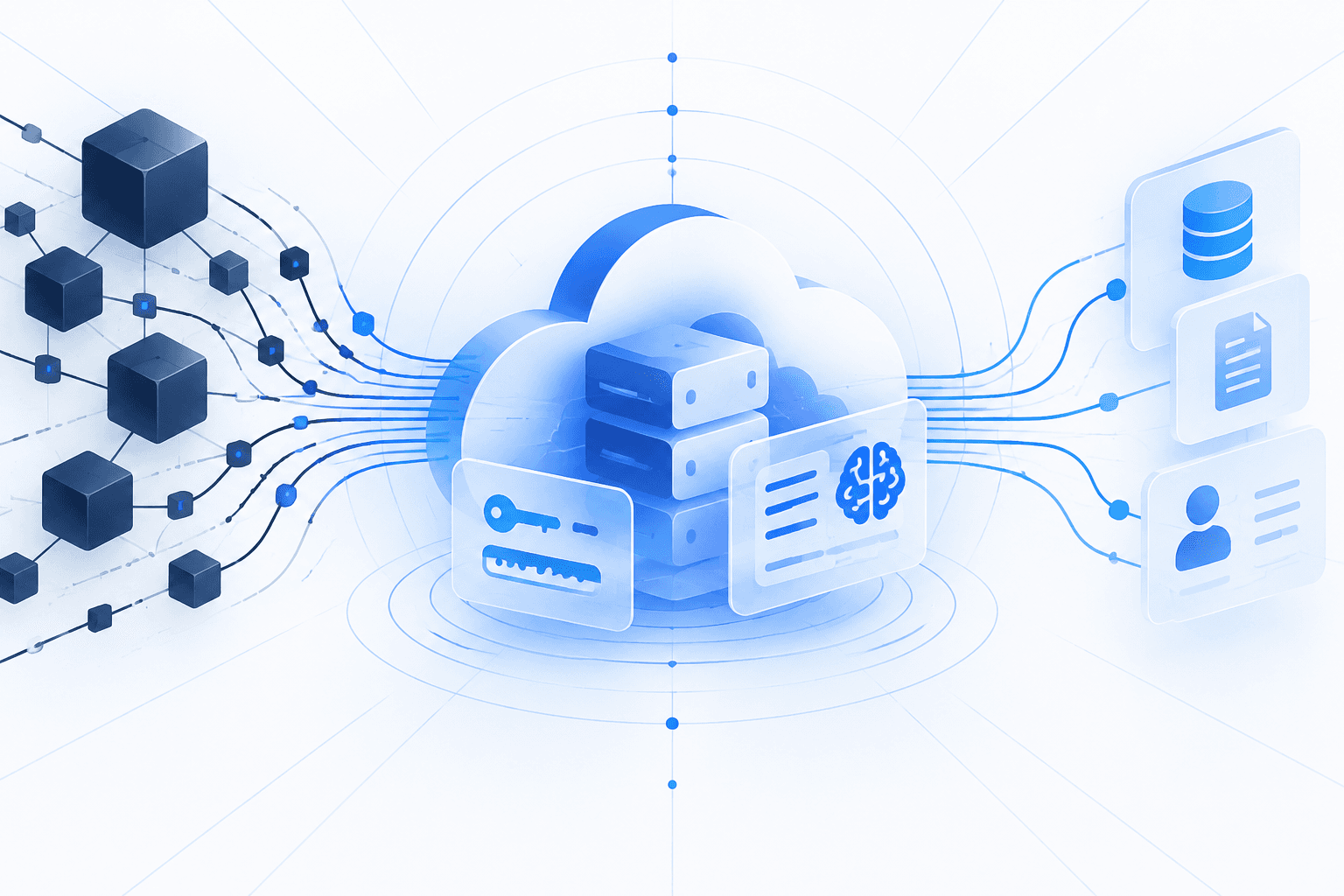
AgentCorruption Prompt Attack Exposed AWS AgentCore Credentials and Agent Memories

Zenity Labs reported an attack chain dubbed AgentCorruption that could let an external attacker obtain temporary AWS credentials through a single malicious prompt sent to a public-facing Amazon Bedrock AgentCore agent. Prompt injection induced the agent’s web or shell tool to access instance metadata endpoints, exploiting insufficient network isolation. Overly broad execution-role permissions then enabled access to other agents, container images, source code, conversations, memories, and connected-service secrets within the same AWS account and region. Researchers also demonstrated persistent memory manipulation that could influence agent behavior in future sessions. The findings describe a demonstrated attack chain, not a confirmed customer breach.

Zenity began disclosure in December 2025, and AWS made IMDSv2 mandatory on February 14, 2026. Excessive permissions remained unresolved during a June 22 check, but Zenity said AWS had addressed the outstanding issues by September 29, including removing broad permissions. AWS disputed the vulnerability characterization, saying execution-role credential access was expected behavior. Organizations using AgentCore should enforce least-privilege execution roles, restrict agent network access, monitor credential use and memory changes, and implement controls to prevent bypassing AgentCore Gateway.

Why it matters

AgentCorruption demonstrated how an external attacker could use a single malicious prompt against a public-facing Amazon Bedrock AgentCore agent to obtain temporary AWS credentials and access other agents in the same account and region. Potential consequences include exposure of conversations, source code and connected-service secrets, plus persistent memory manipulation that changes future agent behavior. The supplied reporting describes researcher demonstrations, not confirmed customer breaches or exploitation in the wild; Zenity confirmed AWS had addressed the reported issues by September 29, 2026.

  • Affected population: Organizations operating AgentCore agents with attacker-accessible interfaces, network-capable tools and excessive execution-role permissions.
  • Business exposure: Confidentiality of user conversations and proprietary code, integrity of agent decisions, and unauthorized access to services connected through API keys or OAuth tokens.
  • Blast radius: Historically extended beyond the initially exposed agent to permitted resources within the same AWS account and region. Cross-account compromise was not demonstrated; AWS stated that cross-account access requires appropriate role and resource permissions.
  • Residual risk: Customer-managed roles, tool permissions, network paths and memory controls require independent review despite the reported AWS remediation.
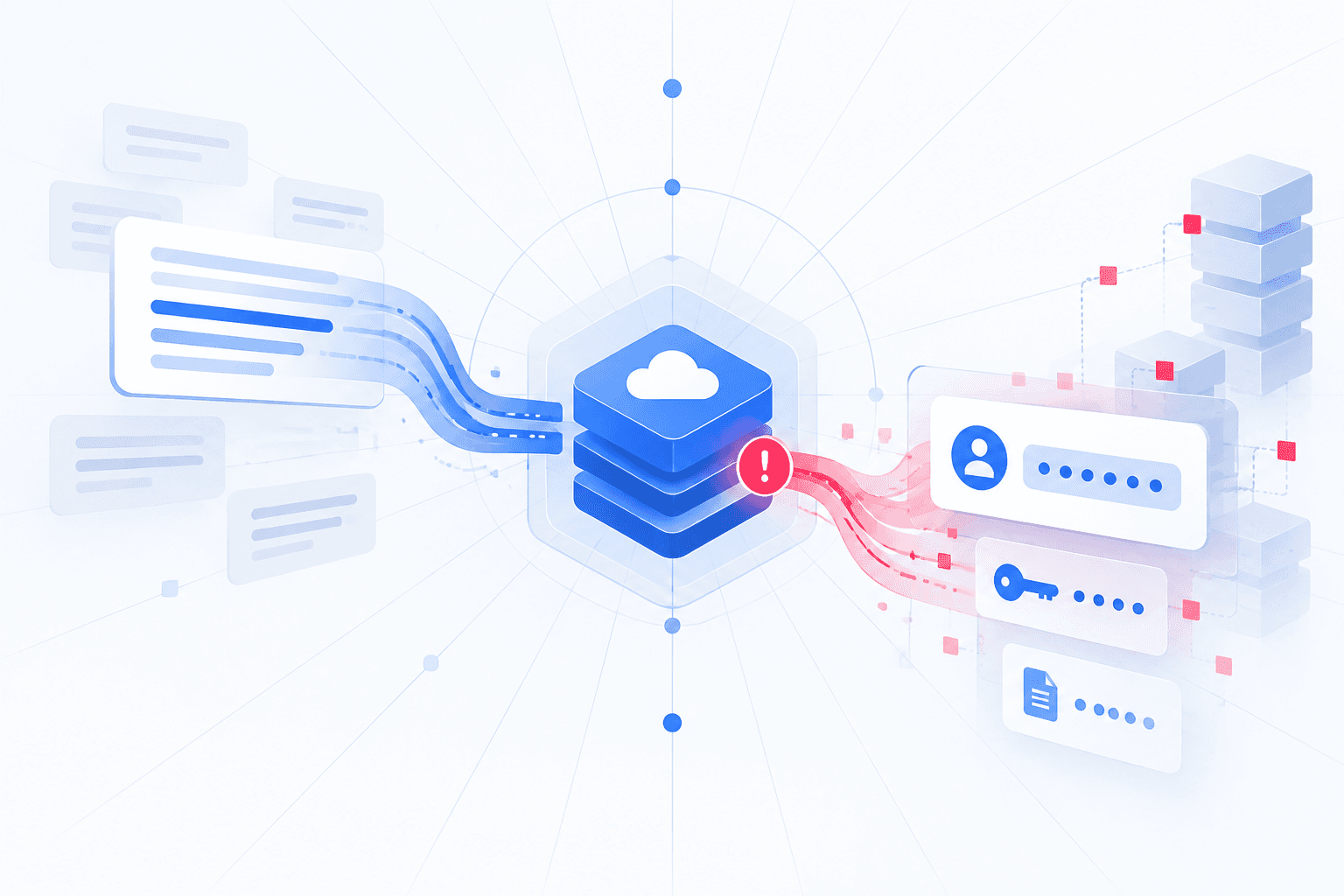
New surface, new adversariesTrack how attackers are adapting to this technology.
Track this risk
Event timeline

How this story unfolded

Events from the most recent confirmed update back to the earliest known activity.

9 events · 2025 – Sep 29, 2026
  1. Reported Oct 10, 20262mo ago

    AWS disputes the vulnerability characterization and recommends tighter controls

    AWS described access to an agent's own execution-role credentials as expected and documented behavior, disputing the characterization as a vulnerability. It recommended least-privilege execution roles and controls preventing callers from bypassing AgentCore Gateway through direct runtime access.

    One Prompt Could Hijack AWS AI Agents and Steal Cloud Credentials
  2. Reported Oct 9, 20262mo ago

    Zenity details the AgentCorruption attack chain and persistent memory manipulation

    Zenity described how a single prompt could trigger metadata requests through an agent's tools, exposing credentials usable to retrieve container images, read conversations, and access connected-service secrets. Researchers also demonstrated creating false memories that could influence future sessions; the reporting did not establish an actual customer breach.

    AWS AgentCore security undone by prompt requesting credentials
  3. Sep 29, 20262mo ago

    Zenity verifies AWS has addressed the outstanding issues

    Zenity's final review found that AWS had addressed the outstanding problems, including removing permissions enabling broad agent invocation, chat access, and AWS Secrets Manager access. Zenity stated that the reported issues were fixed.

    AWS AgentCore security undone by prompt requesting credentials
  4. Jun 22, 20265mo ago

    Zenity confirms excessive AgentCore permissions remain unresolved

    A follow-up check by Zenity found that AgentCore's excessive permissions remained unremediated despite the earlier metadata-service update and report closure.

    AWS AgentCore security undone by prompt requesting credentials
  5. Apr 12, 20268mo ago

    AWS closes Zenity's report as informative

    AWS classified Zenity's report as informative and closed it, citing the switch to IMDSv2.

    AWS AgentCore security undone by prompt requesting credentials
  6. Feb 14, 202610mo ago

    AWS switches AgentCore exclusively to IMDSv2

    AWS updated AgentCore to require IMDSv2, addressing the IMDSv1 metadata-access path described in Zenity's report.

    AWS AgentCore security undone by prompt requesting credentials
  7. Jan 12, 202611mo ago

    Zenity reports excessive execution-role permissions

    Zenity provided AWS with additional findings showing that default execution-role permissions were not restricted to an individual agent. Exposed credentials could consequently enable access to other agents and sensitive resources in the same AWS account and region.

    AWS AgentCore security undone by prompt requesting credentials
  8. Dec 25, 202511mo ago

    Zenity reports AgentCore metadata access to AWS

    Zenity disclosed the metadata-access issue to AWS, showing how an agent could be prompted to retrieve temporary credentials for its execution role.

    AWS AgentCore security undone by prompt requesting credentials
  9. 2025

    Zenity discovers AgentCore agents can retrieve workload credentials

    During its late-2025 investigation, Zenity Labs found that AgentCore agents could access instance metadata endpoints using IMDSv1. Researchers attributed the exposure to insufficient network isolation within AgentCore's Firecracker microVMs.

    AWS AgentCore security undone by prompt requesting credentials
Linked entities

Related entities

Vulnerabilities, threat actors, malware, products, organizations, and breaches Mallory has linked to this story.

Open in app →

Organizations

1 linked
Amazon Web Services
Do you run this?Follow how adversaries are adapting to this technology, and where it touches your stack today.
Track This Risk
Mallory platform

See the full picture, correlated to your attack surface.

This page covers what’s public. Mallory adds the parts that aren’t: which of your assets are affected, which threat actors are using it right now, and what to deploy next.

Exposure mappingMap indicators from this story to your assets and identify affected systems in minutes.
Threat actor evidenceEvery observed campaign, victim, and pivot linked to actors named in this story.
Associated malwareMalware, exploits, and IOCs connected to the activity described here.
Detection signaturesYARA, Sigma, and Snort rules deployed to your SIEM as soon as they’re published.
Scheduled alertsGet matching new stories delivered to your team as they break, not the next morning.
AI threadsAsk questions about this story and take action on the answers.