Amazon Bedrock AgentCore Vulnerabilities Enable Data Exfiltration and Remote Code Execution
Emerging Technology Risk · 2 sources · Updated 5mo ago · First seen Mar 18, 2026
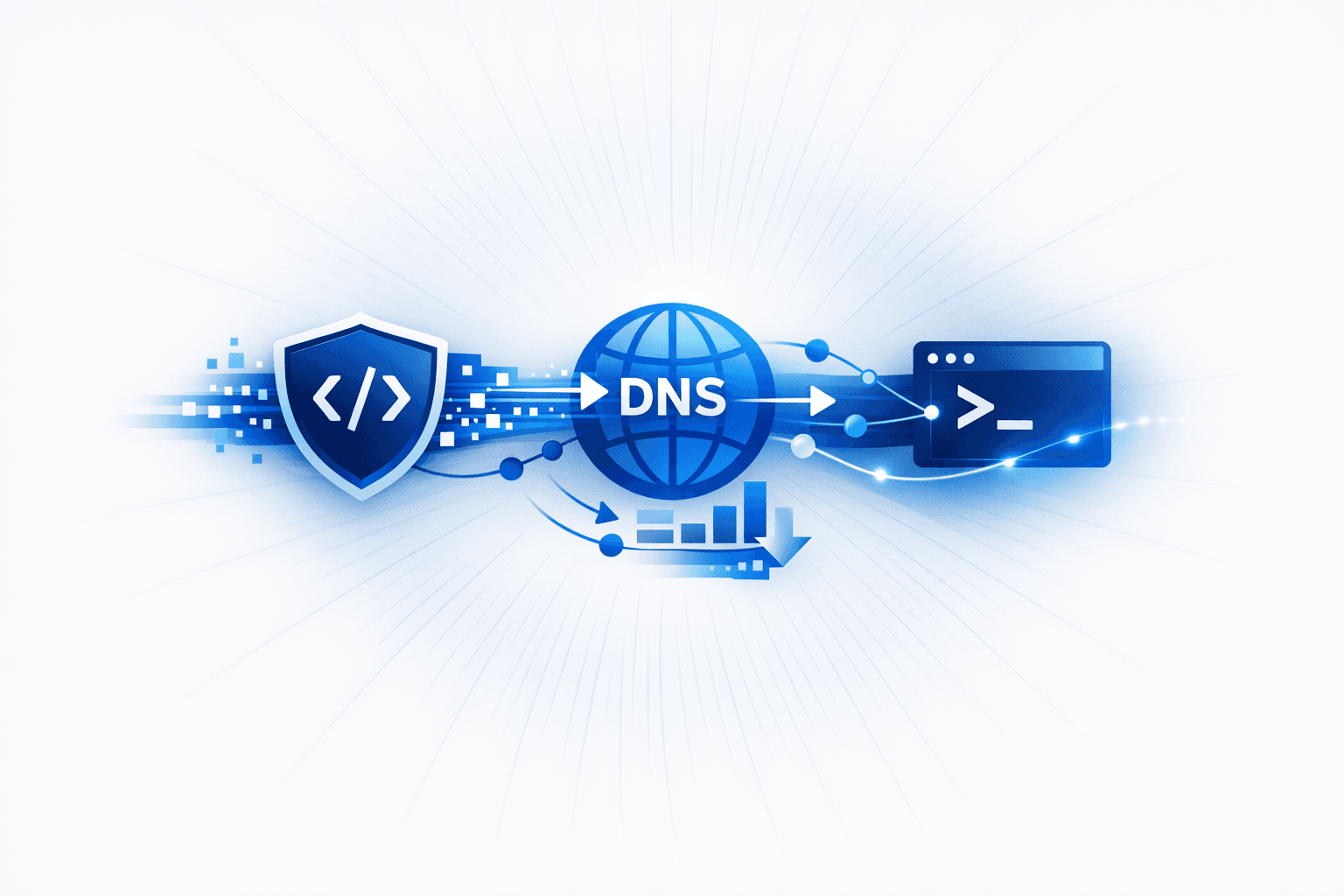
Researchers disclosed multiple Amazon Bedrock AgentCore security issues that can break the isolation expected in AI agent execution environments. One finding showed that AgentCore Code Interpreter sandboxes allowed outbound DNS queries despite a no-network-access design, enabling attackers to create a bidirectional command-and-control channel, exfiltrate data over DNS, and obtain an interactive shell. The impact depends heavily on the IAM role attached to the runtime: overprivileged access could expose AWS resources such as S3 and allow broader compromise of data and connected services.
A separate Bedrock AgentCore issue, tracked as CVE-2026-4269, affected the AgentCore Starter Toolkit and allowed unauthenticated remote code execution through S3 bucket squatting. By registering a predictable bucket name before a victim's build process, an attacker could inject malicious content into the agent runtime, gain control of the execution environment, manipulate model inputs and outputs, and potentially achieve lateral movement based on the runtime's IAM permissions. The flaw also introduced a software supply chain risk because compromised dependencies could be cached or embedded into CI/CD artifacts and persist across later deployments.
Why it matters
Impact assessment
Amazon Bedrock AgentCore users are affected, especially teams running AgentCore Code Interpreter in sandbox mode and organizations using the AgentCore Starter Toolkit in CI/CD pipelines. The highest risk falls on environments where attached IAM roles are overprivileged, because compromise can extend from the agent runtime into AWS resources such as S3 and potentially other connected services.
The impact is severe because the disclosed issues enable data exfiltration, interactive command execution, and unauthenticated remote code execution in the agent execution environment. Scope is likely targeted rather than indiscriminate because exploitation of CVE-2026-4269 requires bucket-name prediction and timing, but any exposed or misconfigured deployment is at risk; the story describes researcher demonstrations and disclosure, not confirmed in-the-wild exploitation.
Supporting facts
- Affected product: Amazon Bedrock AgentCore Code Interpreter sandbox mode.
- Affected component: Amazon Bedrock AgentCore Starter Toolkit / Runtime.
- Primary exposure types: DNS-based data exfiltration, command-and-control, reverse shell access, unauthenticated remote code execution, and software supply chain compromise.
- Business impact: theft of sensitive data accessible to the runtime, manipulation of model inputs and outputs, operational disruption of AI workflows, and possible persistence through poisoned build artifacts.
- Exposure scope depends on IAM permissions attached to the runtime.
- CI/CD environments face elevated risk because malicious dependencies may be cached or embedded into immutable artifacts and survive later deployments.