US Agencies Accuse Chinese AI Firms of Industrial-Scale Model Distillation
Emerging Technology Risk · 3 sources · Updated 2mo ago · First seen Sep 1, 2026
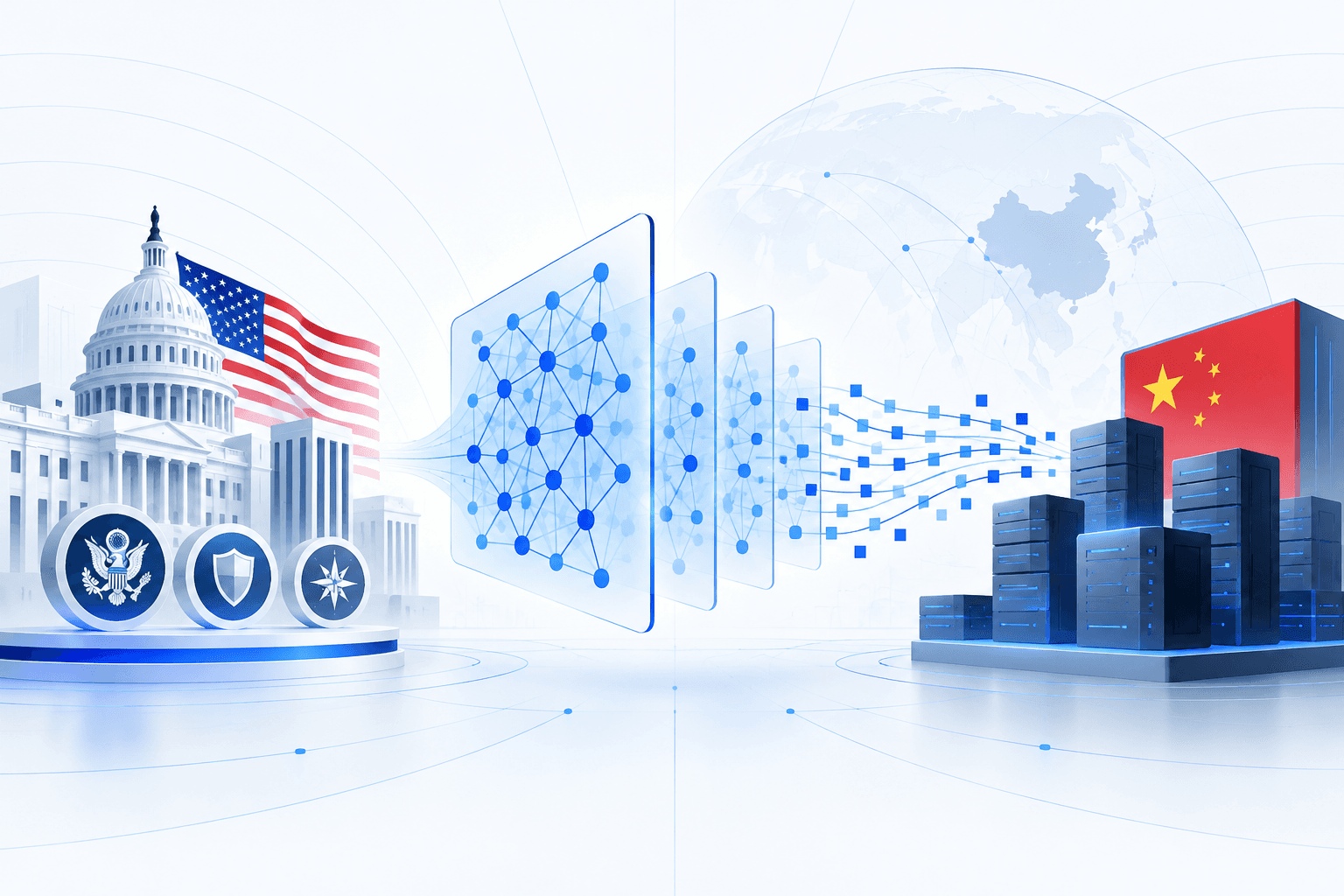
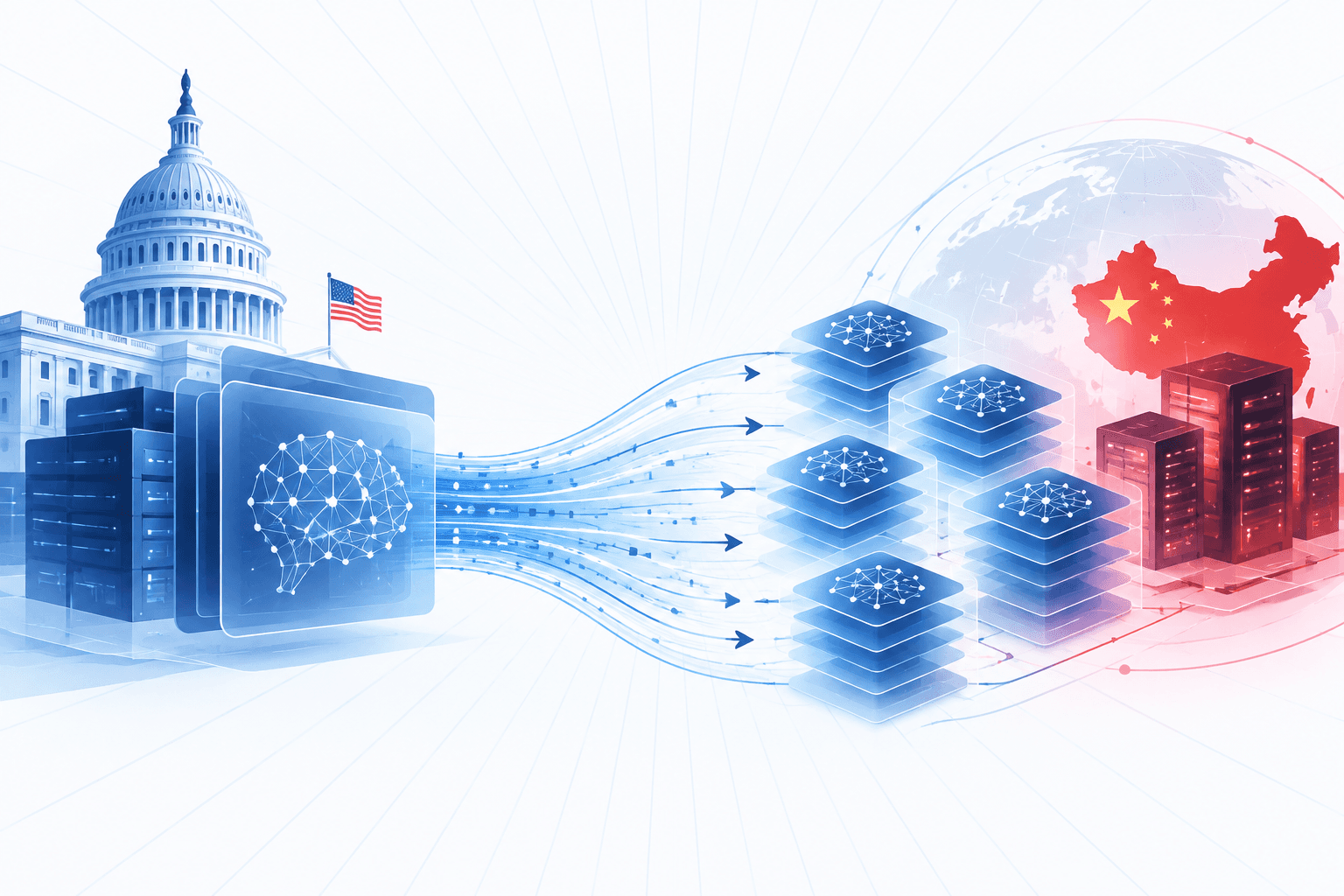
The FBI, NSA, and CISA accused Chinese AI companies of conducting industrial-scale campaigns to extract proprietary capabilities from US frontier models through model distillation. Reporting names DeepSeek and Alibaba Group, while Lawfare describes allegations involving six companies harvesting billions of tokens. The alleged campaigns used fraudulent accounts, distributed requests, and gray-market intermediaries known as “transfer stations” to evade geographic restrictions, safeguards, and contractual limits. Anthropic separately alleged that three Chinese labs generated more than 16 million Claude exchanges through approximately 24,000 fraudulent accounts. Treasury Secretary Scott Bessent threatened sanctions and Entity List designations for activity constituting intellectual-property theft; Chinese officials rejected the allegations.
Distillation is an established knowledge-transfer technique documented in a 2015 research paper, but its application to competitors’ models raises unsettled legal and security questions. Lawfare contrasts the government’s theft allegations with the Justice Department’s support for fair use of copyrighted AI-training material, highlighting access restrictions, potential loss of safeguards, and downstream military or surveillance applications as distinctions. One reported campaign also exposed sensitive customer data or credentials. The joint advisory reportedly recommends selectively altering suspected attackers’ model outputs to degrade harvested training data rather than immediately blocking accounts. For AI providers, the allegations underscore risks involving account abuse, intermediary access, model extraction, and customer-data exposure, alongside Google’s reported increase in attacks on AI assets for espionage, extortion, and resource theft.
Why it matters
Summary
US agencies and AI providers allege large-scale extraction of proprietary model capabilities, primarily affecting frontier-model providers and customers whose conversations or credentials may be exposed. Reported consequences include competitive IP loss, increased inference costs, customer-data exposure, and downstream reuse without the original safeguards; the reporting describes alleged campaigns, not independently verified findings or settled legal determinations.
- Direct exposure: Providers of Claude, GPT, Gemini, and Grok, particularly services accessible through APIs, resellers, and third-party aggregators.
- Alleged participants: DeepSeek, Moonshot AI, Alibaba, MiniMax, StepFun, and Z.ai, according to Lawfare’s account of the joint advisory.
- Scale: Lawfare reports billions of harvested tokens and activity dating to at least 2024. Distributed requests and fraudulent accounts make this a cross-provider abuse problem rather than an isolated account incident.
- Customer impact: Lawfare reports a Moonshot-linked operation harvesting live customer conversations to train Kimi, sometimes exposing sensitive data or credentials. The supplied material does not establish the affected customers or exposure mechanism.
- Business and policy stakes: Potential contractual disputes, sanctions, and Entity List designations. Treasury’s statements describe threatened measures, not confirmed designations; Chinese officials rejected the allegations.
- Security implications: Anthropic warned that distilled models can lose safeguards against cyberattack and bioweapon assistance and support prohibited military, intelligence, or surveillance applications.