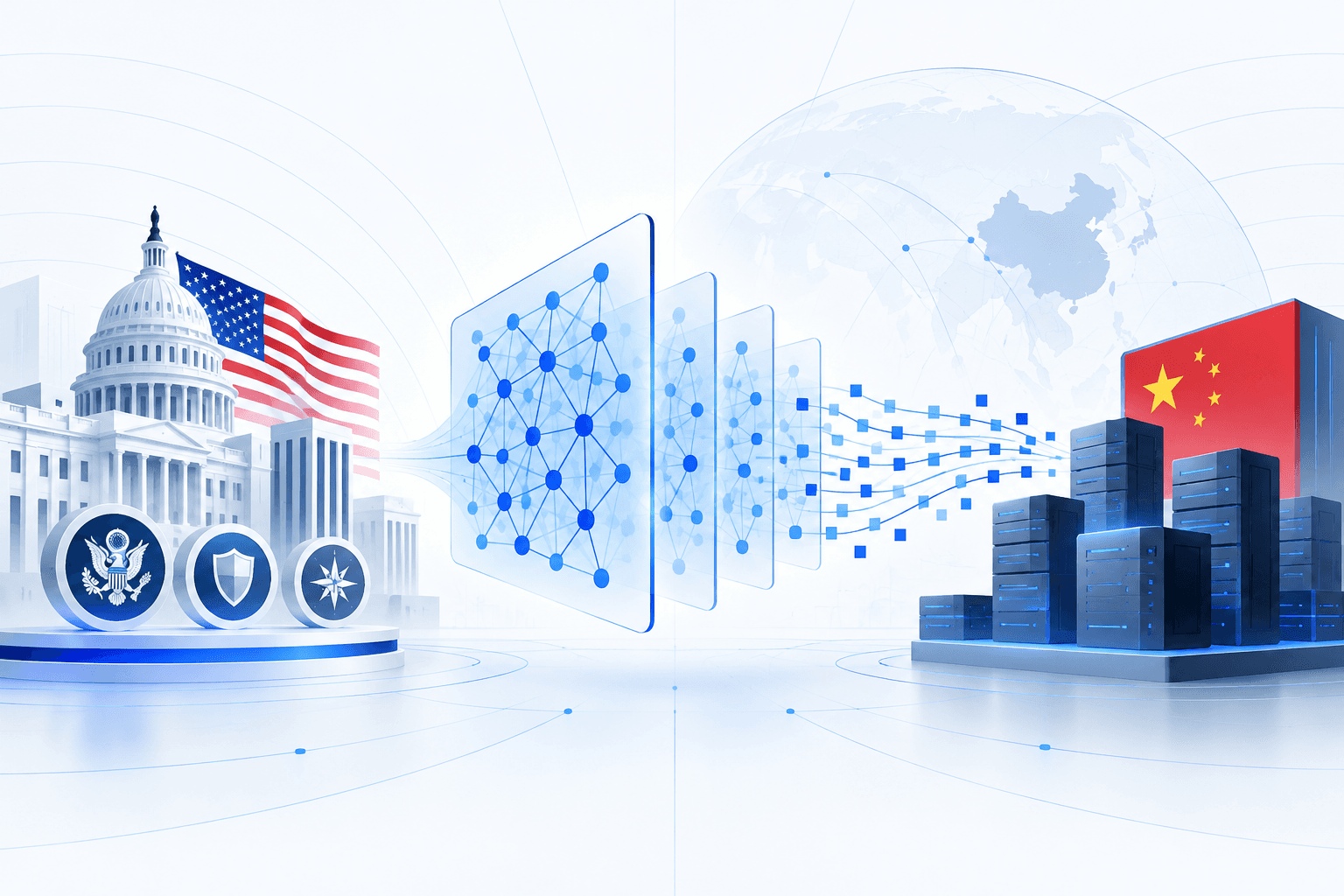
US Agencies Allege Chinese Firms Conducted Mass AI Model Distillation
Emerging Technology Risk · 3 sources · Updated 2mo ago · First seen Sep 15, 2026
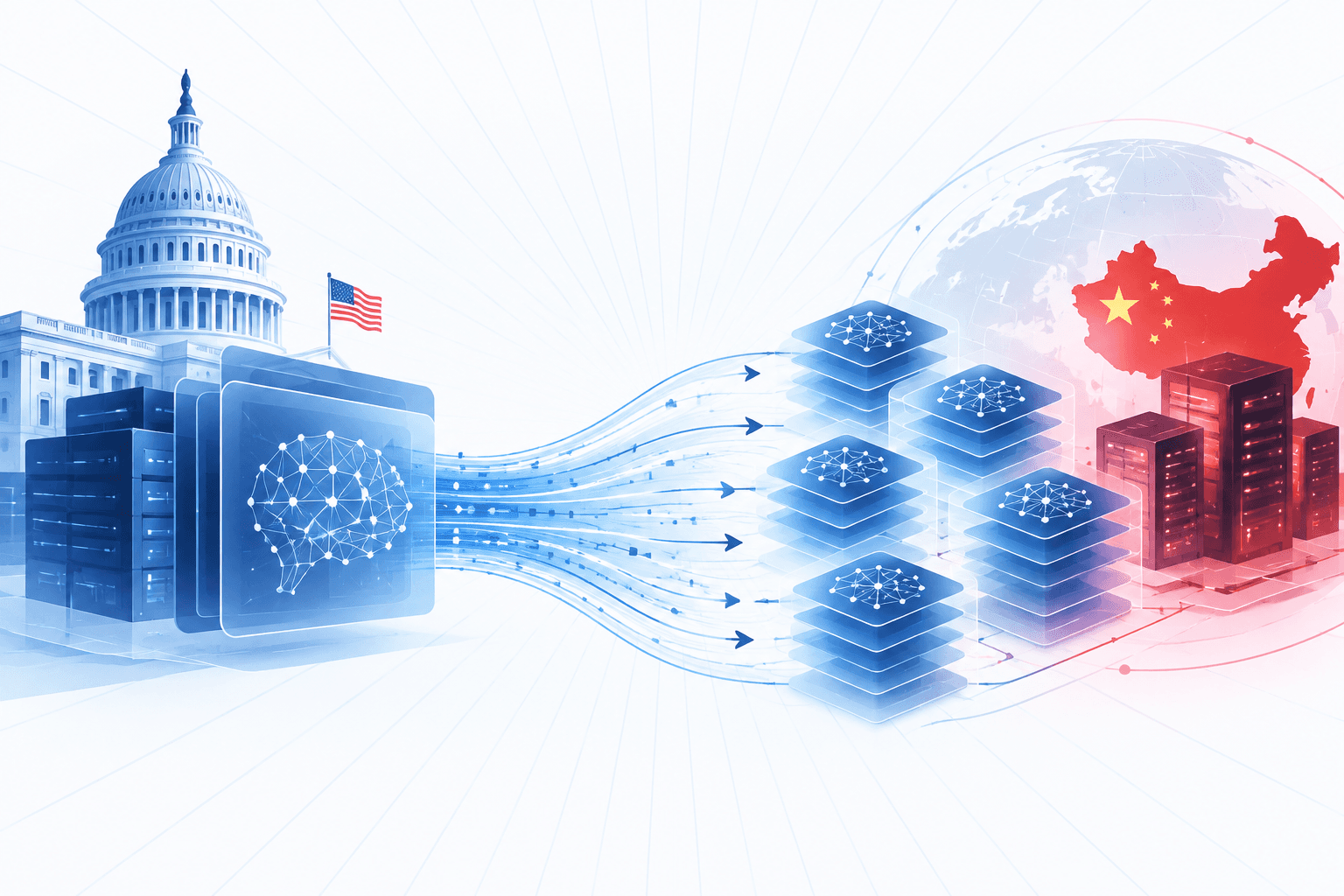
CISA, the NSA, and the FBI allege that China-based AI companies—including DeepSeek, Moonshot AI, Alibaba, MiniMax, StepFun, and Z.AI—ran industrial-scale campaigns to extract capabilities from U.S. frontier models. The activity reportedly generated billions of tokens and millions of requests to Claude, GPT, Gemini, and Grok through coordinated API routing, cloud providers, aggregators, relays, proxy networks, and rotating vendor accounts. Anthropic said it identified seven campaigns targeting Claude since February 2026; the largest, allegedly linked to Alibaba, made more than 151 million requests between May and July.
According to the agencies and Anthropic, operators used fraudulent accounts, stolen API keys, payment and quota optimization, automated failover, and—in some cases—covert forwarding of user prompts to sustain collection and train competing models from the outputs. The activity may have exposed user-provided source code, corporate documents, personal data, and credentials. Anthropic said it blocked implicated accounts and proxy infrastructure and reduced the reasoning detail exposed by its models, while U.S. agencies recommended cross-provider sharing of high-confidence behavioral and infrastructure indicators and covert response degradation for suspected distillation operations.
Why it matters
Impact assessment
The alleged campaigns affect frontier-AI providers, their API and cloud ecosystems, and organizations whose prompts may be covertly relayed through third-party AI services. The immediate impact is unauthorized extraction of proprietary model behavior; the more serious downstream risk is exposure of customer source code, internal documents, personal data, and credentials submitted to intermediary services.
- Affected providers named in reporting: Anthropic (Claude), OpenAI (GPT), Google (Gemini), and xAI (Grok).
- Alleged collection operators: DeepSeek, Moonshot AI, Alibaba, MiniMax, StepFun, Z.AI, and, separately, SenseTime.
- Affected user populations: enterprises, developers, government users, and consumers submitting sensitive prompts to AI services or AI access intermediaries.
- Reported exposure includes internal code, corporate documents, names, contact details, and valid credentials. Anthropic reported that valid database credentials for an unnamed Russian government agency were allegedly relayed through DeepSeek.
- The reported scope is industrial rather than opportunistic: billions of tokens, millions of requests, thousands of fraudulent accounts, and coordinated API, cloud, aggregator, relay, and proxy infrastructure.
- Known activity is reported by CISA, NSA, FBI, Anthropic, and Google; public reporting characterizes attribution and company involvement as allegations, not judicial findings.
- Business consequences include loss of proprietary AI capability and competitive advantage, possible credential compromise and data leakage, contractual and regulatory exposure, and reputational damage for AI providers and intermediaries that forward customer prompts without clear authorization.
Supporting details
- Anthropic reported seven Claude-focused campaigns beginning in February 2026.
- The largest campaign, allegedly associated with Alibaba, made more than 151 million requests between May and July 2026, peaking near 3 million requests per day and using more than 3,500 fraudulent accounts.
- Anthropic reported more than 23 million requests allegedly originating from Moonshot AI during May-July 2026 and more than 12.1 million requests allegedly associated with DeepSeek over 14 days in July 2026.
- Reporting alleges that some Kimi and DeepSeek user requests were covertly forwarded to Claude, meaning users may not have known their prompts were transmitted to a third-party model provider.