Anthropic Alleges Alibaba Ran Mass Account Scheme to Distill Claude AI
Emerging Technology Risk · 13 sources · Updated 5mo ago · First seen Jun 25, 2026

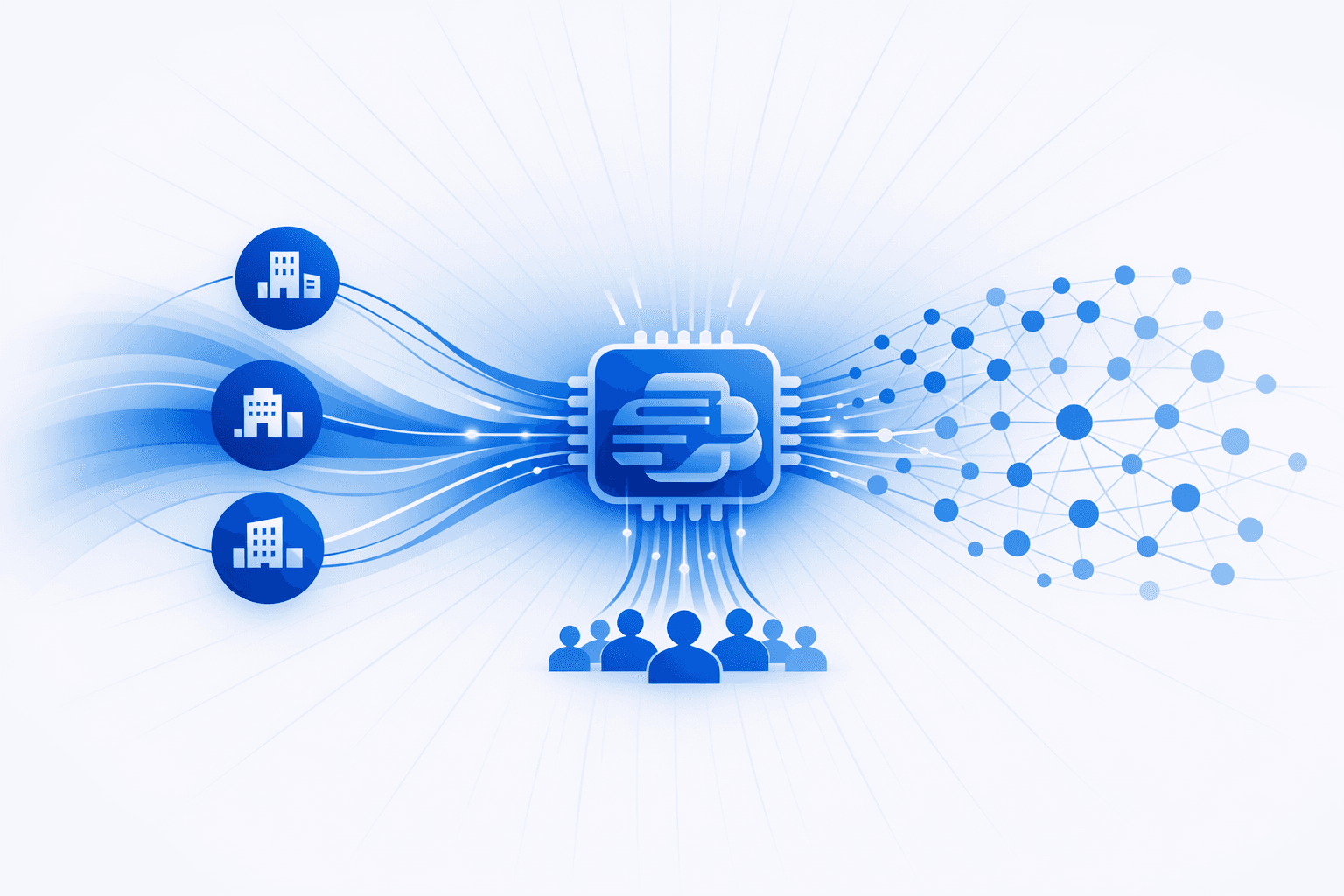
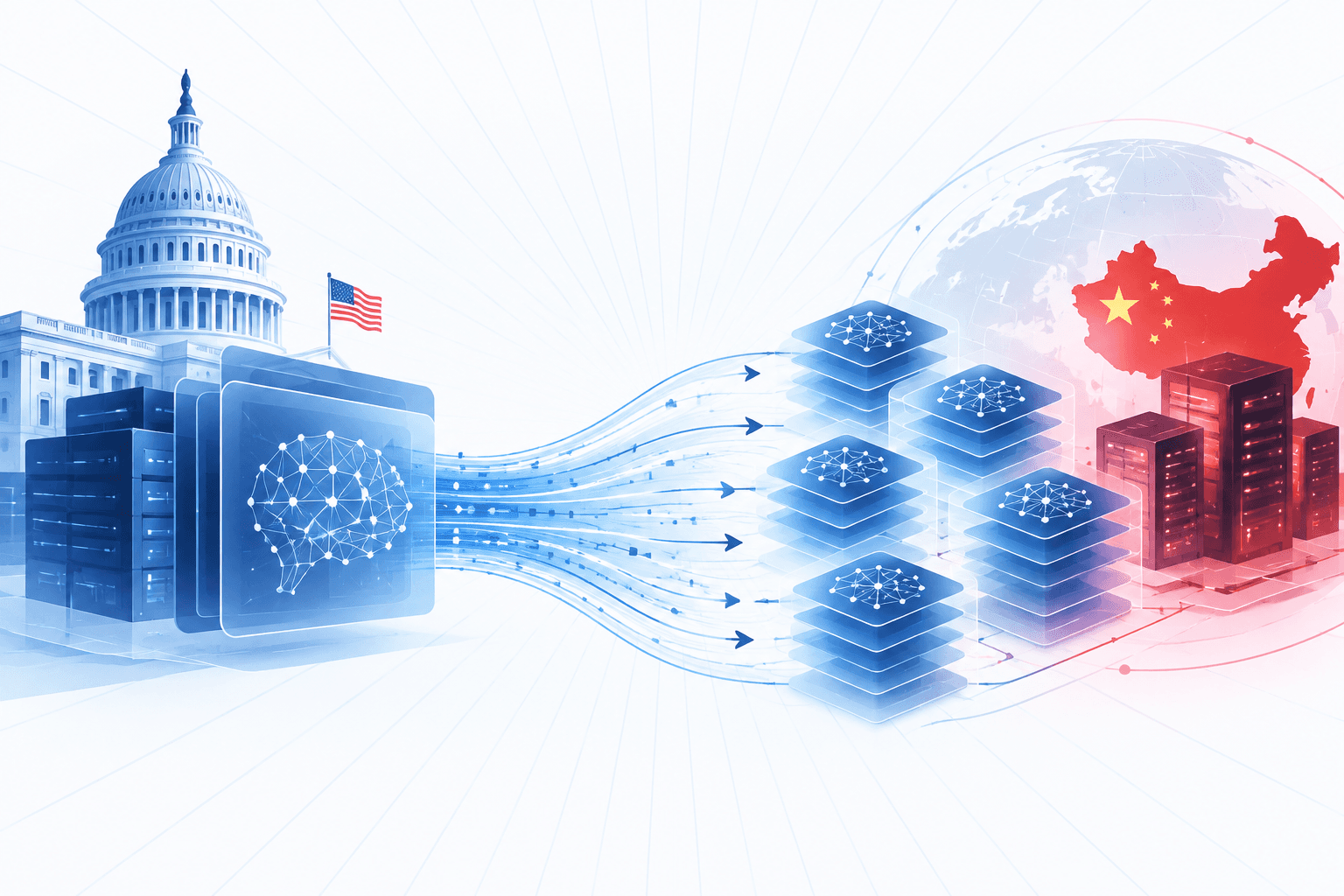
Anthropic accused Alibaba and its Qwen research division of illicitly accessing its Claude models in what it called the largest known AI distillation attack against the company. In a letter to the U.S. Senate Banking Committee, Anthropic said operators used nearly 25,000 fraudulent accounts to generate more than 28.8 million Claude exchanges between April 22 and June 5, targeting high-value capabilities from the Mythos Preview model, including software engineering and agentic reasoning. The company said the activity was designed to replicate frontier-model performance without incurring the full cost of training a competing system.
Anthropic warned that adversarial distillation can transfer advanced capabilities while omitting the original model’s safety guardrails, raising both security and national security concerns beyond intellectual property theft. The company linked the alleged operation to a broader pattern involving other Chinese AI labs, including DeepSeek, Moonshot AI, and MiniMax, and called for antitrust-safe threat intelligence sharing, continued AI chip export controls, and penalties for firms found to have improperly used U.S. model outputs. The disclosure has also spurred proposed U.S. legislative action, including potential sanctions or blacklisting of Chinese companies accused of training rival systems on unauthorized American AI outputs.
Why it matters
Impact assessment
Anthropic alleges a large-scale unauthorized model-output harvesting campaign tied to Alibaba and Alibaba Qwen, making this primarily an AI platform abuse and intellectual property security issue rather than a conventional software vulnerability event. The directly affected population is frontier AI providers, enterprises exposing high-value models via API or coding assistants, and organizations relying on restricted-access AI capabilities for software engineering or agentic workflows.
The reported impact is potentially severe for AI vendors: loss of proprietary model capabilities, erosion of competitive advantage, and downstream safety risk if distilled models reproduce advanced behavior without original safeguards. Based on the reporting, the scope appears targeted at a specific provider and model family rather than indiscriminate internet-wide exploitation, but the scale was substantial: nearly 25,000 fraudulent accounts and more than 28.8 million Claude exchanges over roughly six weeks.
There are reported allegations of exploitation in the wild. Anthropic states this was the largest known distillation attack it has observed and links it to a broader pattern involving DeepSeek, Moonshot AI, and MiniMax.
Supporting facts
- Affected entities/products:
- Anthropic Claude models
- Claude API access
- Claude Code
- Mythos Preview model
- Fable 5 and Mythos 5 referenced as newer restricted models
- Named entities:
- Alibaba
- Alibaba Qwen
- DeepSeek
- Moonshot AI
- MiniMax
- U.S. Senate Banking Committee
- Senators Tim Scott, Elizabeth Warren, Bill Hagerty, Andy Kim
- Reported business impacts:
- Intellectual property theft / capability replication
- Reduced cost and time for a competitor to approach frontier-model performance
- Potential safety degradation in derivative models lacking original guardrails
- Reputational and regulatory pressure on AI providers and counterparties
- Scope indicators:
- Nearly 25,000 fraudulent accounts
- More than 28.8 million exchanges
- Activity window: 2026-04-22 to 2026-06-05
- Targeted high-value capabilities: software engineering and agentic reasoning
- Exploitation status:
- Anthropic alleges active abuse in the wild
- Prior related campaigns were attributed by Anthropic to DeepSeek, Moonshot AI, and MiniMax