White House Accuses China-Linked Actors of Industrial-Scale AI Model Theft
Emerging Technology Risk · 15 sources · Updated 5mo ago · First seen Apr 24, 2026

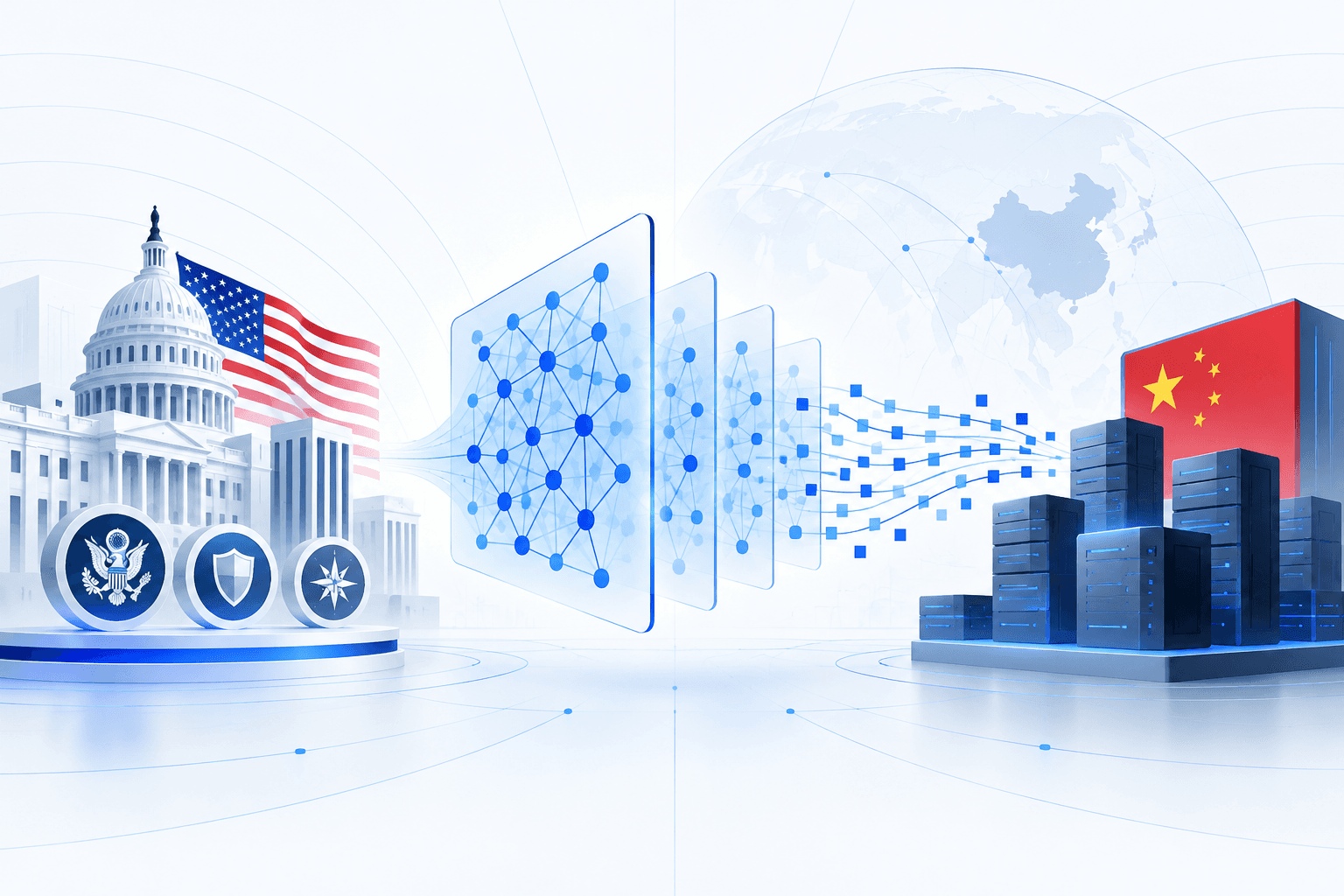
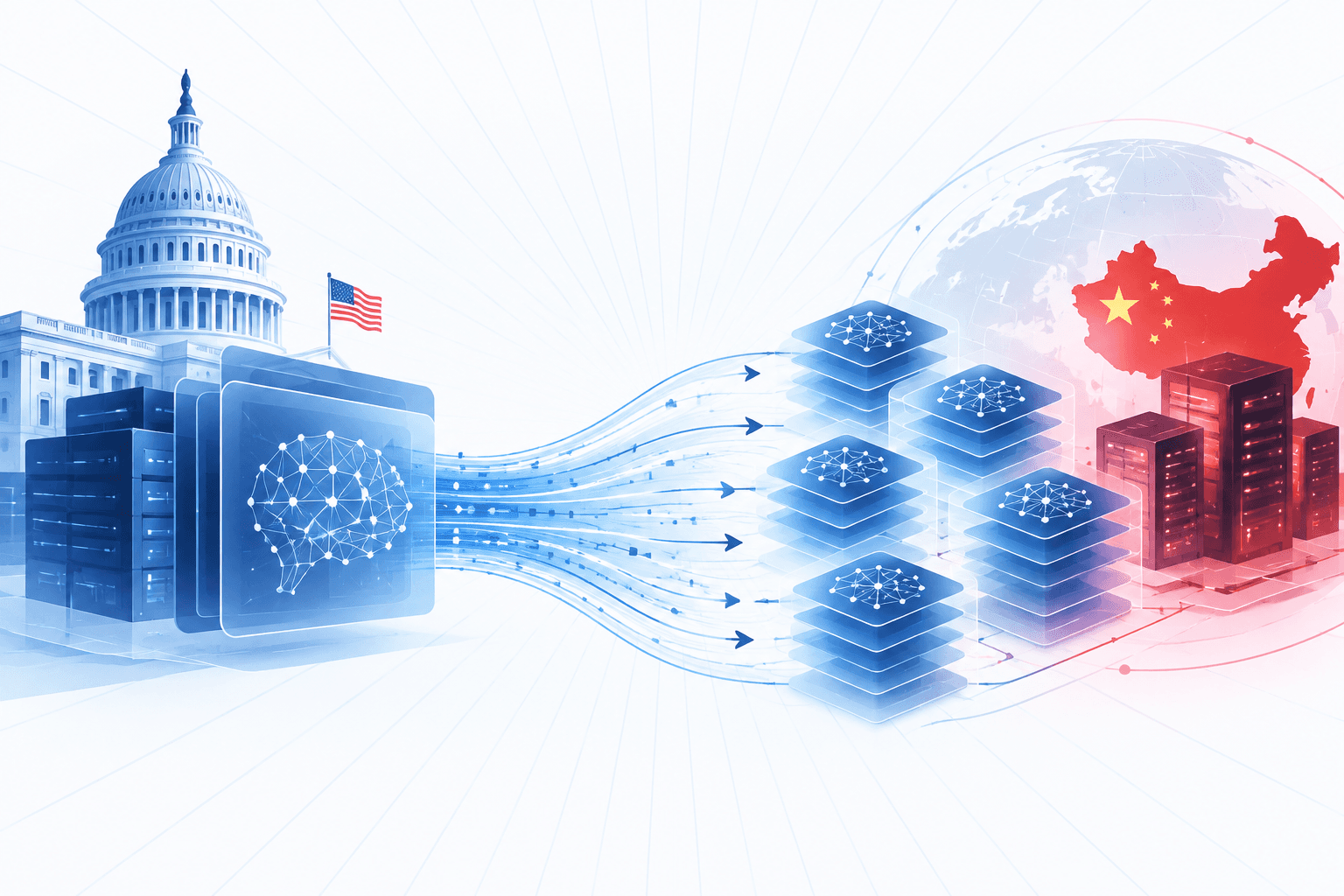
The White House has accused China-linked actors and other foreign entities of running industrial-scale AI model extraction and distillation campaigns against U.S. frontier AI companies, saying the operations use tens of thousands of proxy or fraudulent accounts, jailbreaking techniques, distributed probing, and iterative prompt engineering to copy proprietary model behavior at scale. A memorandum from Office of Science and Technology Policy Director Michael Kratsios said the activity targets American AI innovation without requiring a traditional network breach, and warned that derivative systems may reproduce benchmark performance while stripping away safety controls, neutrality safeguards, and other protections built into the original models.
Federal agencies have been directed to expand information sharing with AI firms and develop best practices for detecting, mitigating, and remediating the campaigns, with officials pointing to stronger telemetry, logging, identity controls, and real-time detection of distributed abuse as likely defenses. The administration is also weighing accountability measures, including possible sanctions and legal or export-control actions, while lawmakers advance legislation to identify and punish foreign actors targeting U.S.-owned AI models; China has rejected the allegations as "slander" and unjustified suppression, even as prior claims from OpenAI and Anthropic tied Chinese firms including DeepSeek, Moonshot, and MiniMax to large-scale distillation efforts.
Why it matters
Impact assessment
The primary impact falls on frontier AI providers, API-based model platforms, and enterprises exposing high-value models through public or partner-facing interfaces. The activity is severe for affected firms because it enables theft of proprietary model behavior and safety-relevant capabilities without a traditional network intrusion, creating intellectual property loss, competitive harm, and downstream safety risk from derivative models stripped of guardrails.
The scope appears broad and sustained rather than isolated. Multiple references cite alleged industrial-scale activity linked to Chinese entities, including DeepSeek, Moonshot AI, and MiniMax, with claims of exploitation in the wild involving tens of thousands of fraudulent or proxy accounts and millions of model interactions.
Supporting details
- Affected entities:
- U.S. frontier AI companies and API providers
- Organizations exposing advanced models via public APIs or consumer interfaces
- Users whose prompts and outputs may transit third-party proxy services
- Severity:
- Theft of proprietary model behavior, system logic, and restricted capabilities
- Commercial harm from lower-cost derivative or benchmark-competitive knockoff models
- Safety and reputational risk if copied models omit neutrality, reliability, and misuse safeguards
- Potential exposure of user prompts, responses, tool calls, and reasoning traces through proxy ecosystems
- Scope:
- White House and multiple media references describe coordinated, industrial-scale campaigns
- Activity reportedly relies on tens of thousands of proxy or fraudulent accounts
- Grey-market “transfer stations” suggest broad access beyond elite labs to developers, students, enterprises, and resellers in China
- Exploitation status:
- Alleged active exploitation in the wild
- Anthropic allegations: about 24,000 fraudulent accounts and more than 16 million exchanges targeting Claude
- White House memo states the U.S. has evidence of coordinated foreign campaigns, principally based in China