Mallory
← Back to News
identity-impersonation-fraudai-enabled-threat-activityvoice-social-engineeringbusiness-email-compromise

Deepfake Voice and Video Impersonation Drives Social-Engineering Incidents

Social Engineering & Fraud · 2 sources · Updated 2mo ago · First seen Sep 22, 2026
Deepfake Voice and Video Impersonation Drives Social-Engineering Incidents

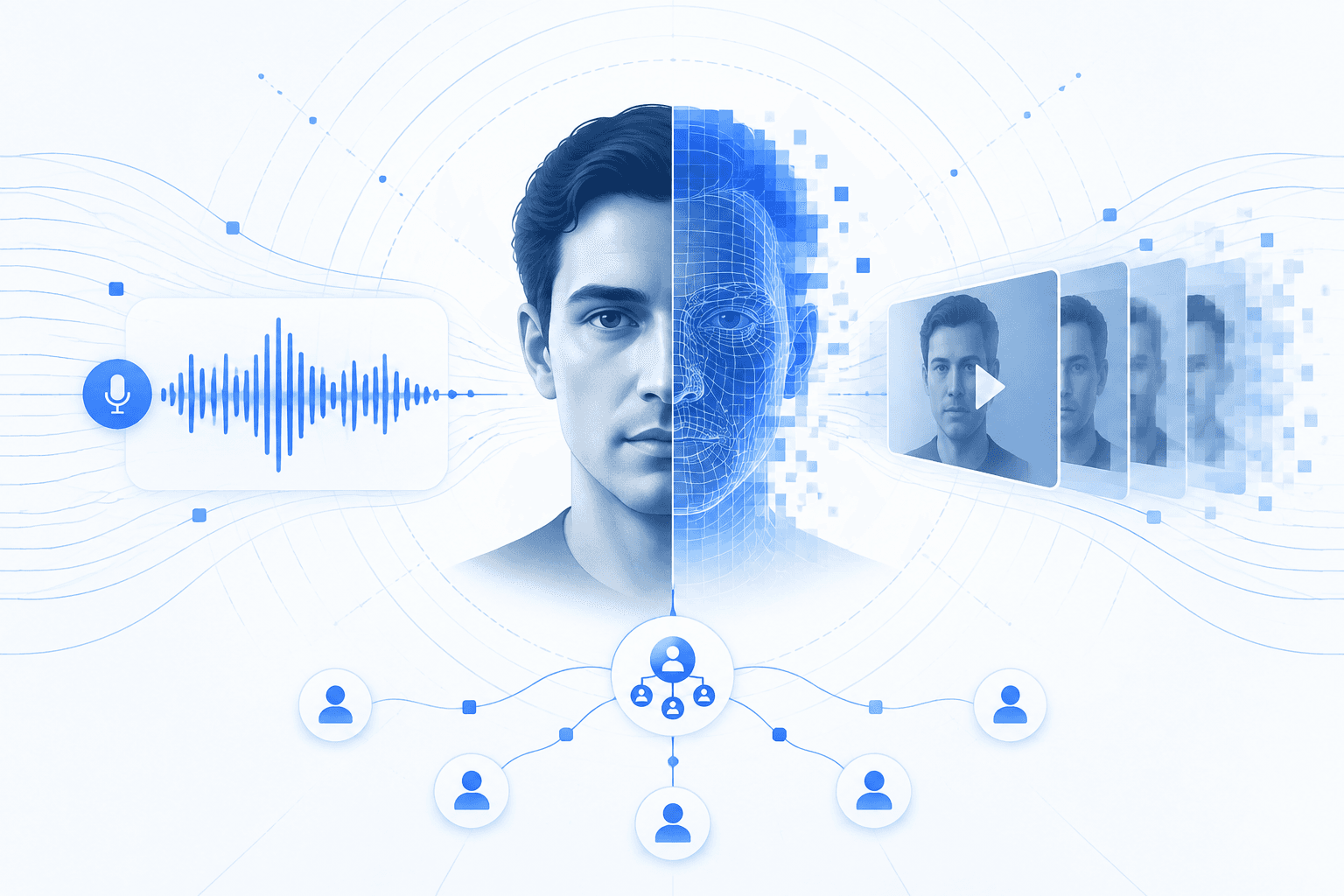
Gartner found that AI-enabled deepfake impersonation is making social-engineering attacks more convincing across phone calls, video conferences, email, and text messages. Of 297 senior cybersecurity leaders surveyed, 41% reported a deepfake-related employee audio-call incident and 36% reported a video-call incident in the preceding 12 months; 79% encountered phishing, spear-phishing, or business-email-compromise activity. A prominent example was the 2024 fraud against engineering firm Arup, where video-call impersonations of colleagues persuaded an employee to transfer more than $25 million to criminal-controlled accounts.

Gartner urged organizations to replace training focused on spotting fakes with mandatory, out-of-band verification for sensitive requests. CISOs should apply phishing-resistant and risk-based identity controls to high-value workflows, correlate suspicious communications with identity, device, privilege, and payment activity, and extend incident-response plans to cover multimodal impersonation and compromised AI agents.

Why it matters

Impact assessment

AI-enabled voice and video impersonation is increasing the success rate of business-email compromise (BEC), vishing, smishing, and payment fraud by making fraudulent requests appear to originate from trusted executives and colleagues. The principal impact is direct financial loss, credential compromise, malware installation, and unauthorized privileged or financial actions; the reported Arup case alone resulted in more than $25 million transferred to attacker-controlled accounts.

Affected population and scope

  • Organizations with high-value payment, account-recovery, privileged-access, and identity-proofing workflows are most exposed.
  • Finance, treasury, executive administration, help desk, IT operations, HR, and remote-work recruitment processes face elevated risk because they routinely act on urgent identity-based requests.
  • The activity is broad rather than sector-specific: Gartner surveyed 297 senior cybersecurity leaders and found 41% had experienced a deepfake-related employee audio-call incident and 36% a video-call incident in the prior 12 months.
  • Email-centric fraud remains pervasive: 79% reported phishing, spear-phishing, or BEC activity, while 58% reported vishing or smishing.

Known consequences

  • A 2024 Hong Kong video-conference fraud involving deepfake impersonations of coworkers induced a finance employee at engineering firm Arup to transfer more than $25 million to criminal-controlled accounts.
  • A separate reported incident used executive-impersonation voice notes to persuade an employee to download malware.
  • Social-engineering success can lead to account takeover, fraudulent payment authorization, privileged-access abuse, malware deployment, operational disruption, regulatory exposure, and reputational damage.

Supporting facts

  • Entity: Gartner; survey population: 297 senior cybersecurity leaders; survey period: March-May 2026.
  • Entity: Arup; incident: 2024 deepfake video-call payment fraud; loss: more than $25 million.
  • Entity: FBI; warned of a prior text- and voice-based campaign impersonating senior U.S. officials.
  • Entity: Google; warned that criminal groups were abusing Gemini and other large language models for victim research and targeting.
  • Entity: North Korean operatives were reported to use deepfakes while posing as remote IT workers.

Is your org in this campaign?Get the infrastructure and lures behind it.
Hunt this campaign
Event timeline

How this story unfolded

Events from the most recent confirmed update back to the earliest known activity.

7 events · 2024 – Mar 2026
  1. Reported Sep 25, 20262mo ago

    Deepfake voice notes used to persuade employee to install malware

    A separate incident involved deepfake voice notes impersonating an executive to convince an employee to download malware.

    Nearly half of CISOs have been hit by AI deepfake voice calls - here's how to spot the tell-tale signs you're being scammed | IT Pro
  2. Reported Sep 25, 20262mo ago

    Google warns criminals are abusing Gemini and other LLMs

    Google warned that criminal groups were abusing Gemini and other large language models to research and target victims.

    Nearly half of CISOs have been hit by AI deepfake voice calls - here's how to spot the tell-tale signs you're being scammed | IT Pro
  3. Reported Sep 25, 20262mo ago

    FBI warns of text- and voice-based impersonation campaign

    The FBI warned of a campaign in which attackers used text and voice communications to impersonate senior U.S. officials.

    Nearly half of CISOs have been hit by AI deepfake voice calls - here's how to spot the tell-tale signs you're being scammed | IT Pro
  4. Reported Sep 22, 20262mo ago

    Gartner reports widespread deepfake social-engineering incidents

    Gartner reported that 41% of surveyed CISOs had seen a deepfake-related employee audio or phone-call social-engineering incident and 36% had seen one involving video calls during the prior 12 months. It advised independent verification for risky requests and stronger identity, payment, and incident-response controls.

    The latest deepfake numbers give CISOs plenty to worry about - Help Net Security
  5. Mar 2026

    Gartner surveys senior cybersecurity leaders on AI social engineering

    Gartner surveyed 297 senior cybersecurity leaders between March and May 2026 on social-engineering incidents and related defenses.

    The latest deepfake numbers give CISOs plenty to worry about - Help Net Security
  6. 2024

    Ferrari executive stops a deepfake voice impersonation attempt

    A Ferrari executive reportedly thwarted a deepfake voice attack by asking the caller about a book recommendation known to the genuine executive.

    Nearly half of CISOs have been hit by AI deepfake voice calls - here's how to spot the tell-tale signs you're being scammed | IT Pro
  7. 2024

    Arup loses $25 million in Hong Kong deepfake video-call fraud

    A finance employee at a multinational firm's Hong Kong branch was induced by a fraudulent video call impersonating the CFO and colleagues to transfer more than $25 million to scammer-controlled accounts. IT Pro identified the company as British engineering firm Arup.

    The latest deepfake numbers give CISOs plenty to worry about - Help Net Security
Linked entities

Related entities

Vulnerabilities, threat actors, malware, products, organizations, and breaches Mallory has linked to this story.

Open in app →

Organizations

1 linked
Arup

Breaches

1 linked
ARUP-2024-01
Do you run this?Get the infrastructure, lures, and IOCs behind this campaign, ready to push into your email and identity stack.
Hunt This Campaign
Mallory platform

See the full picture, correlated to your attack surface.

This page covers what’s public. Mallory adds the parts that aren’t: which of your assets are affected, which threat actors are using it right now, and what to deploy next.

Exposure mappingMap indicators from this story to your assets and identify affected systems in minutes.
Threat actor evidenceEvery observed campaign, victim, and pivot linked to actors named in this story.
Associated malwareMalware, exploits, and IOCs connected to the activity described here.
Detection signaturesYARA, Sigma, and Snort rules deployed to your SIEM as soon as they’re published.
Scheduled alertsGet matching new stories delivered to your team as they break, not the next morning.
AI threadsAsk questions about this story and take action on the answers.