AI-Enabled Social Engineering and Scams Using Deepfakes and Automation
Emerging Technology Risk · 2 sources · Updated 5mo ago · First seen Feb 10, 2026

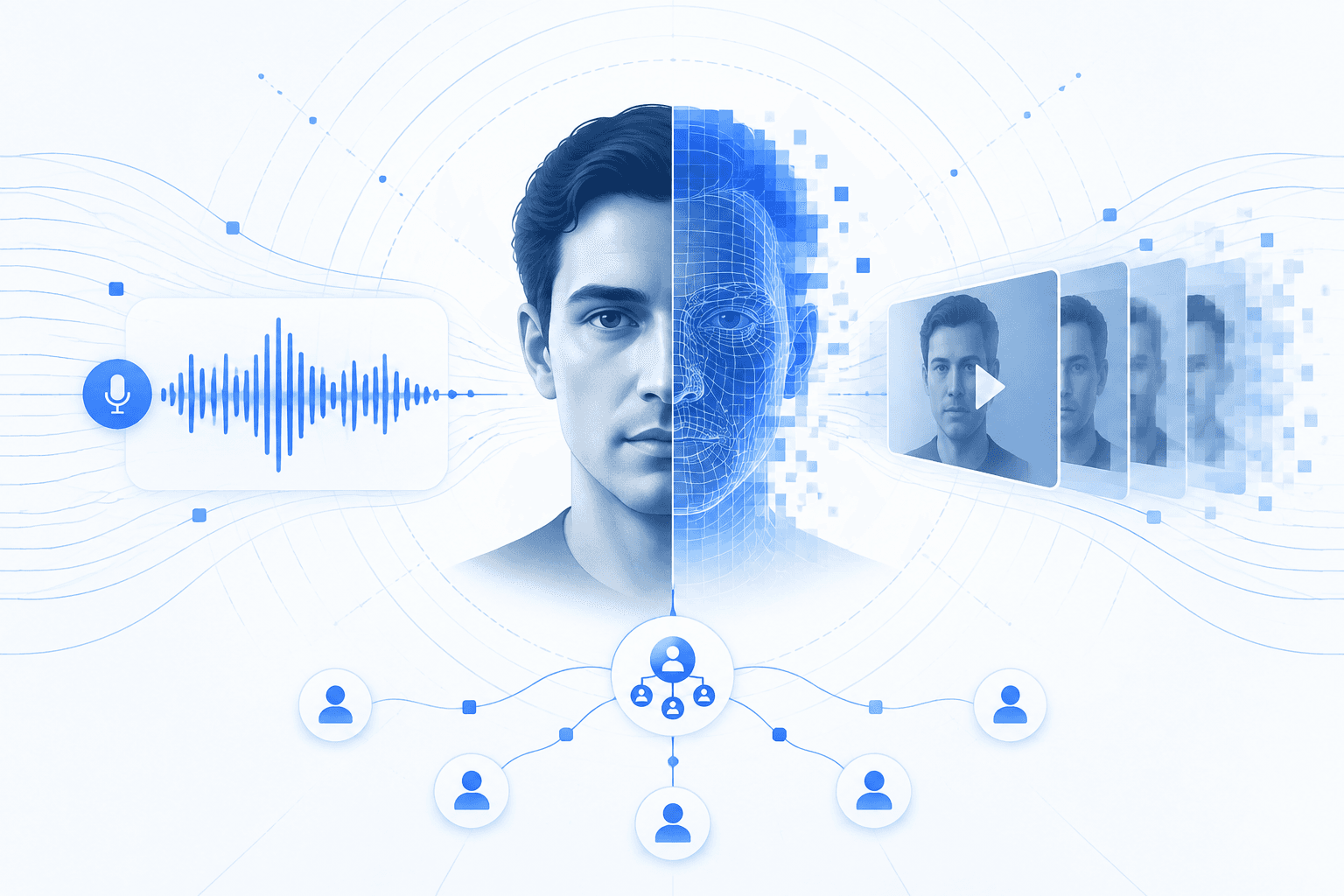
AI is accelerating and scaling social engineering by automating reconnaissance, targeting, and victim engagement, reducing both the cost and skill required to run convincing phishing and fraud campaigns. One reported evolution is the use of AI agents to collect open-source intelligence and conduct live, interactive conversations with targets with minimal or no human involvement, enabling high-volume, continuously running scam operations that can adapt in real time.
Deepfake-enabled impersonation is further eroding trust in voice and video communications, including calls and meetings, with examples cited of finance staff being deceived into transferring millions after interacting with fabricated “executives.” Recommended mitigations emphasize shifting from human-sense validation to process-based controls—e.g., enforced verification procedures, out-of-band checks, shared authentication phrases (“safe words”), and emerging content provenance approaches—because traditional, predictable detection models are increasingly strained by the speed, personalization, and adaptability of AI-driven attacks.
Why it matters
Summary
AI-enabled social engineering is increasing the scale, speed, and credibility of phishing, business email compromise, vishing, and fraud operations. The most exposed organizations are enterprises with finance, executive, help desk, and customer-facing workflows that rely on voice, video, or email trust signals; financial loss can be immediate and material, including reported multi-million-dollar fraudulent transfers.
Supporting details
Who is affected
- Enterprises across sectors are affected, especially organizations with payment approval, executive communications, and remote collaboration workflows.
- High-risk user populations include finance staff, executives, administrators, customer support teams, and employees handling urgent requests or sensitive data.
- Organizations with weak identity verification processes for voice/video requests are particularly exposed.
Severity and business impact
- Financial impact includes fraudulent wire transfers and payment diversion in BEC-style scams.
- Operational impact includes increased phishing volume, higher triage burden, and reduced reliability of traditional trust cues in calls and meetings.
- Reputational impact is significant where executive impersonation or customer-facing fraud succeeds.
- Security teams face higher alert volume and lower effectiveness from legacy signature-based controls against adaptive, AI-assisted campaigns.
Scope and exploitation
- The exposure is broad rather than narrowly targeted because AI lowers attacker cost and skill requirements and enables high-volume automation.
- Reported activity includes deepfake-enabled impersonation of executives in calls or meetings that led a finance worker to transfer millions.
- One cited survey claims 63% of organizations experienced an AI-involved cyberattack in the past 12 months, indicating widespread pressure even if methodology is not provided in the source material.