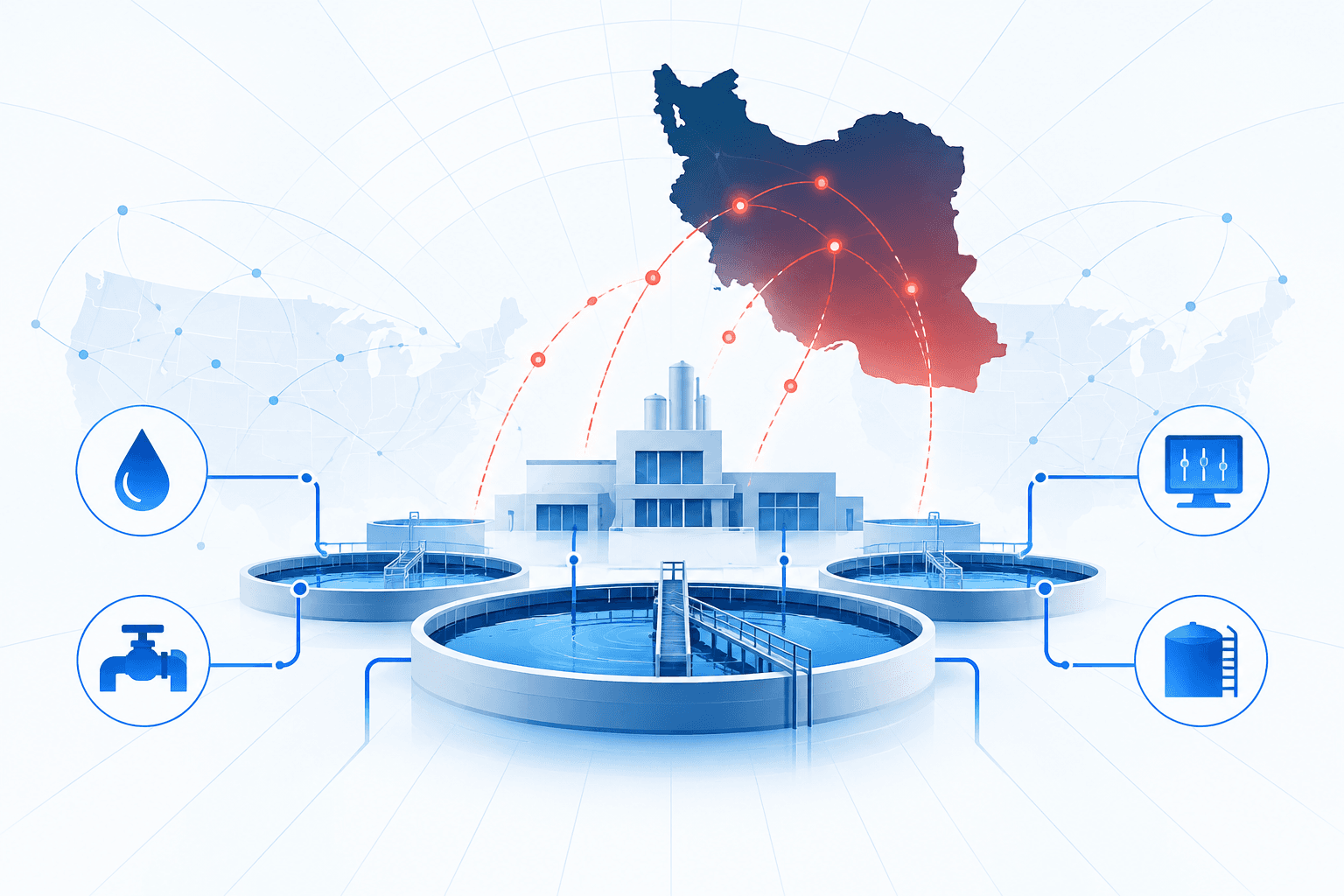
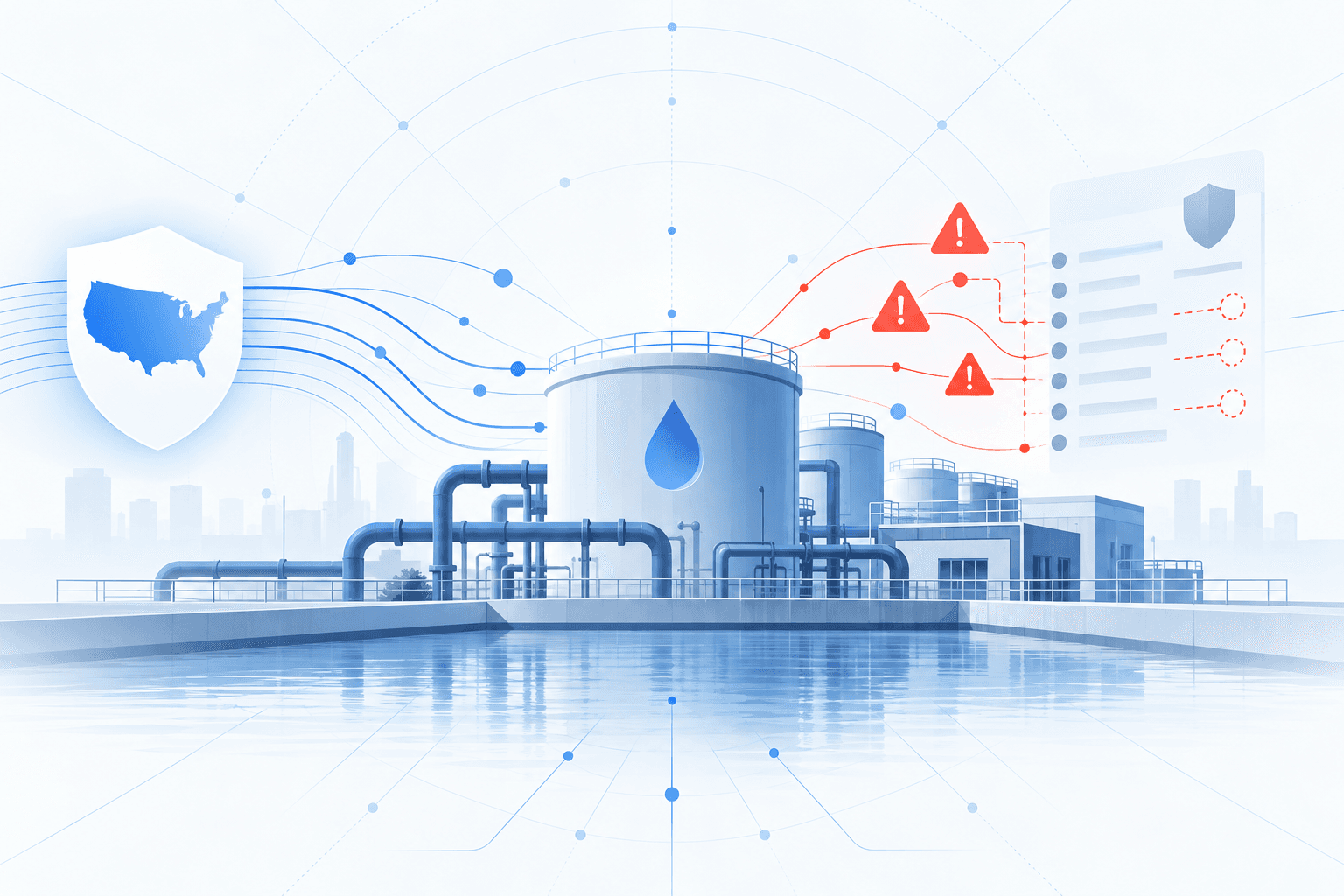
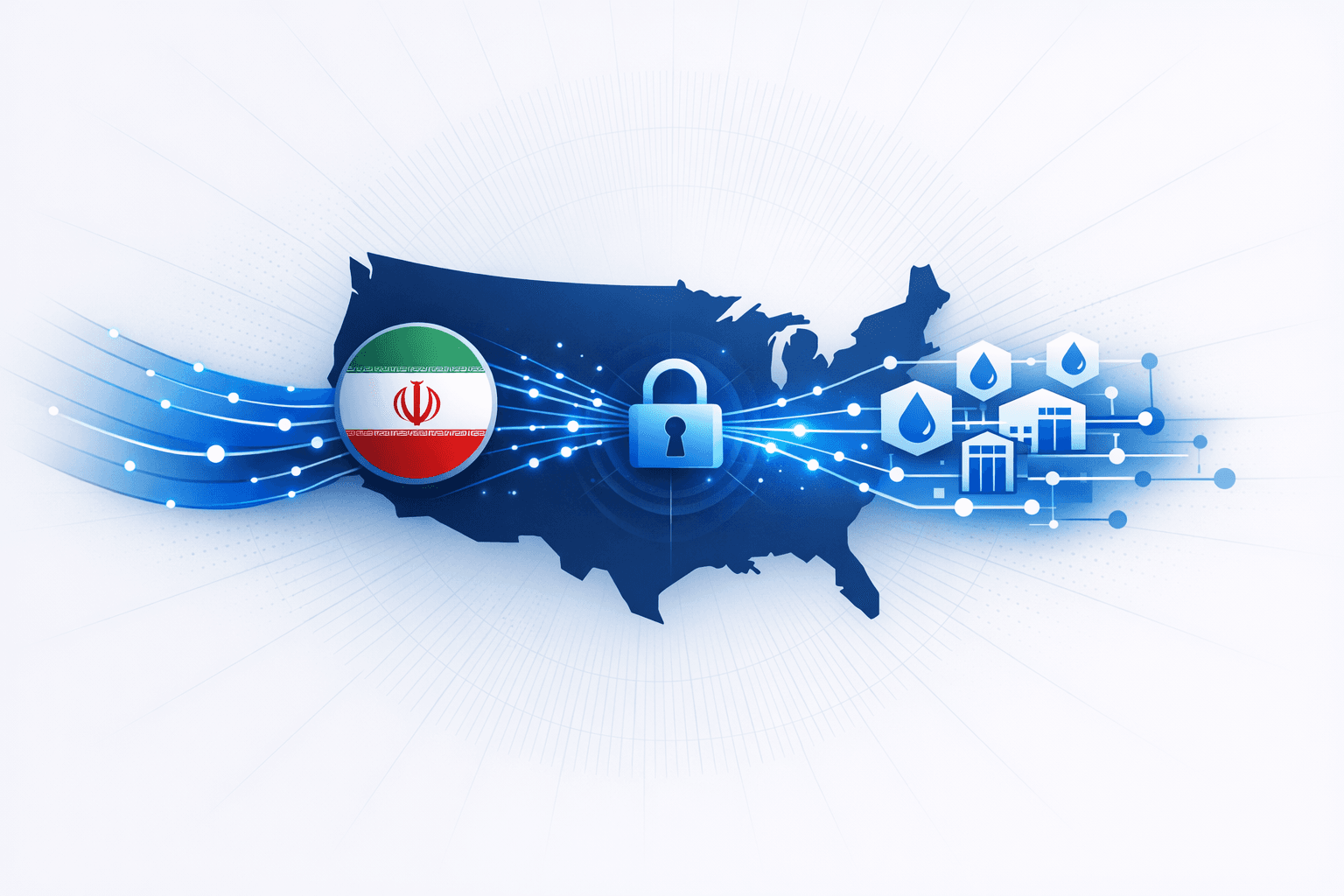
Infostealer Logs Expose Credentials at 1,787 U.S. Water Utilities
Malware Intelligence · 3 sources · Updated 2mo ago · First seen Jul 30, 2026
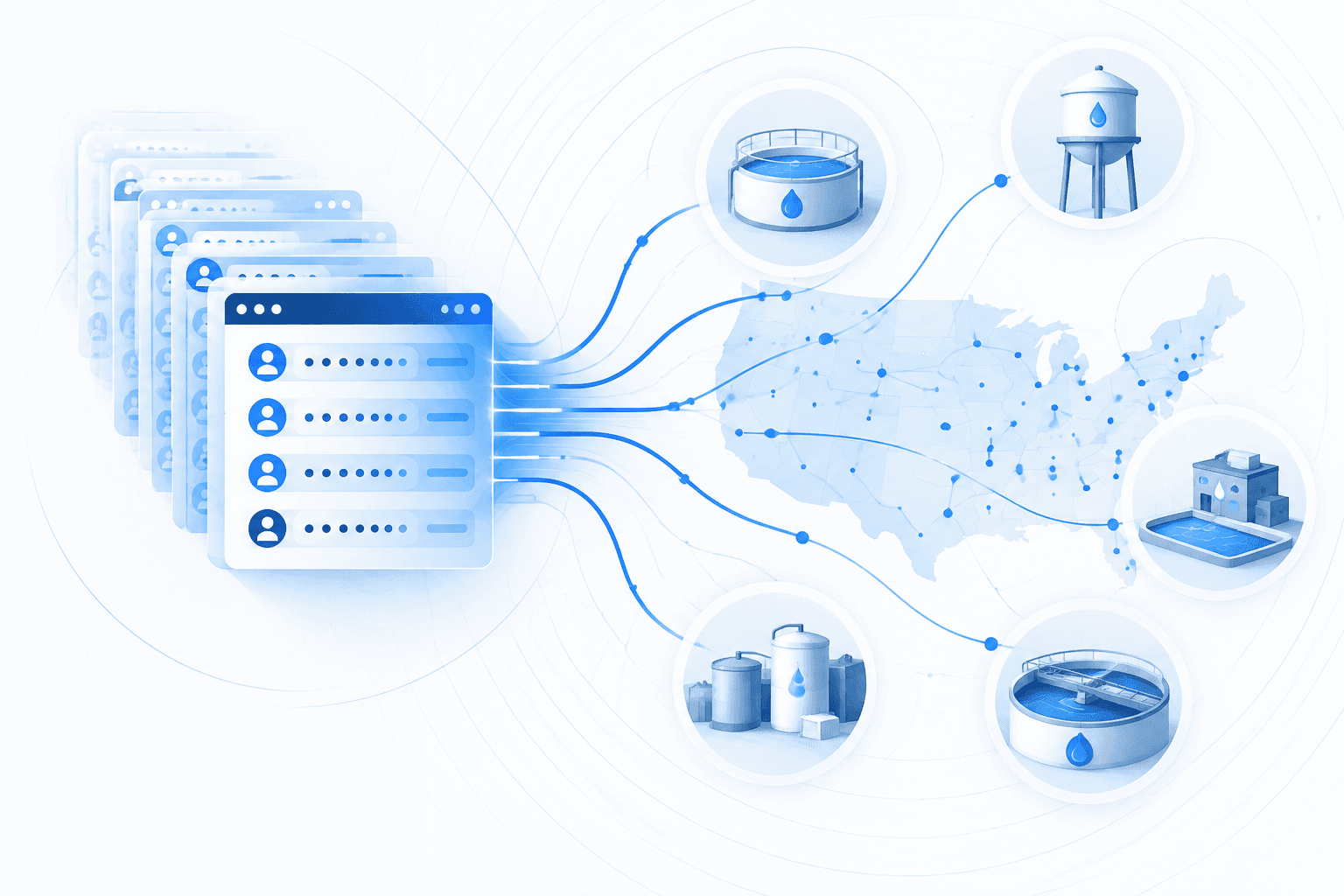
SpyCloud identified active infostealer-derived identity exposure at 1,787 of 10,000 analyzed U.S. drinking-water and wastewater organizations. The stolen data includes credentials, browser session cookies, and autofill records that could enable access to email, VPN, and other enterprise systems; hijacked authenticated sessions may also circumvent multifactor authentication. 258 organizations had exposed credentials tied to operational technology or remote-access environments, and 263 showed active phishing or business-email-compromise targeting.
A compromised endpoint at an unnamed advanced-metering vendor contained saved logins for roughly 167 utility customers, creating a concentrated third-party access risk; SpyCloud also found evidence consistent with an adversary-in-the-middle compromise involving Microsoft 365 session material at another water-technology provider. The research does not confirm intrusions or assess OT devices directly, and it does not link the exposures to recent Iran-backed water-sector attacks, which were associated with exposed OT and default passwords. SpyCloud has briefed CISA and urges utilities to revoke and rotate exposed identities and sessions while hardening internet-facing OT access.
Why it matters
Impact assessment
Infostealer-derived credentials and live session material are exposed for 1,787 U.S. drinking-water and wastewater organizations, creating material risk of enterprise compromise, fraud, ransomware staging, and disruption of systems supporting water operations. Exposure is concentrated among larger operators and technology suppliers, and vendor-held credentials create a cascading risk across otherwise unrelated utilities; the research does not confirm any intrusion or direct OT-device compromise.
Scope and severity
- SpyCloud identified active identity exposure at 1,787 of 10,000 analyzed organizations, nearly 18% of the analyzed population.
- Credentials associated with OT or remote-access environments were identified at 258 organizations. These environments may support access to systems controlling pumps and water flows.
- Active phishing or business-email-compromise targeting was identified at 263 organizations.
- An infected endpoint at an unnamed advanced-metering/smart-meter provider stored logins for approximately 167 utility customer portals, creating concentrated third-party risk.
- A separate water-technology provider showed evidence consistent with an adversary-in-the-middle compromise involving Microsoft 365 session material and MFA-bypass-capable session data.
- Impact can include unauthorized email and VPN access, lateral movement, business-email compromise, ransomware initial access, theft of operational information, and potential interruption of water-service operations where remote administration bridges into OT.
Known exploitation status
- This reporting measures exposed identities, not confirmed compromises; it does not establish that exposed accounts remain valid, were used maliciously, or granted privileged access.
- SpyCloud found no evidence linking these stolen credentials to the July 2026 Minnesota water-system attacks. Those incidents were assessed as more likely enabled by internet-exposed OT and PLCs using default passwords.
- No threat actor is attributed for the broader infostealer-derived exposure.