OfferLoader PPI Operation Delivers RATs, Proxies, and Browser Hijackers
Social Engineering & Fraud · 6 sources · Updated 3mo ago · First seen Sep 9, 2026
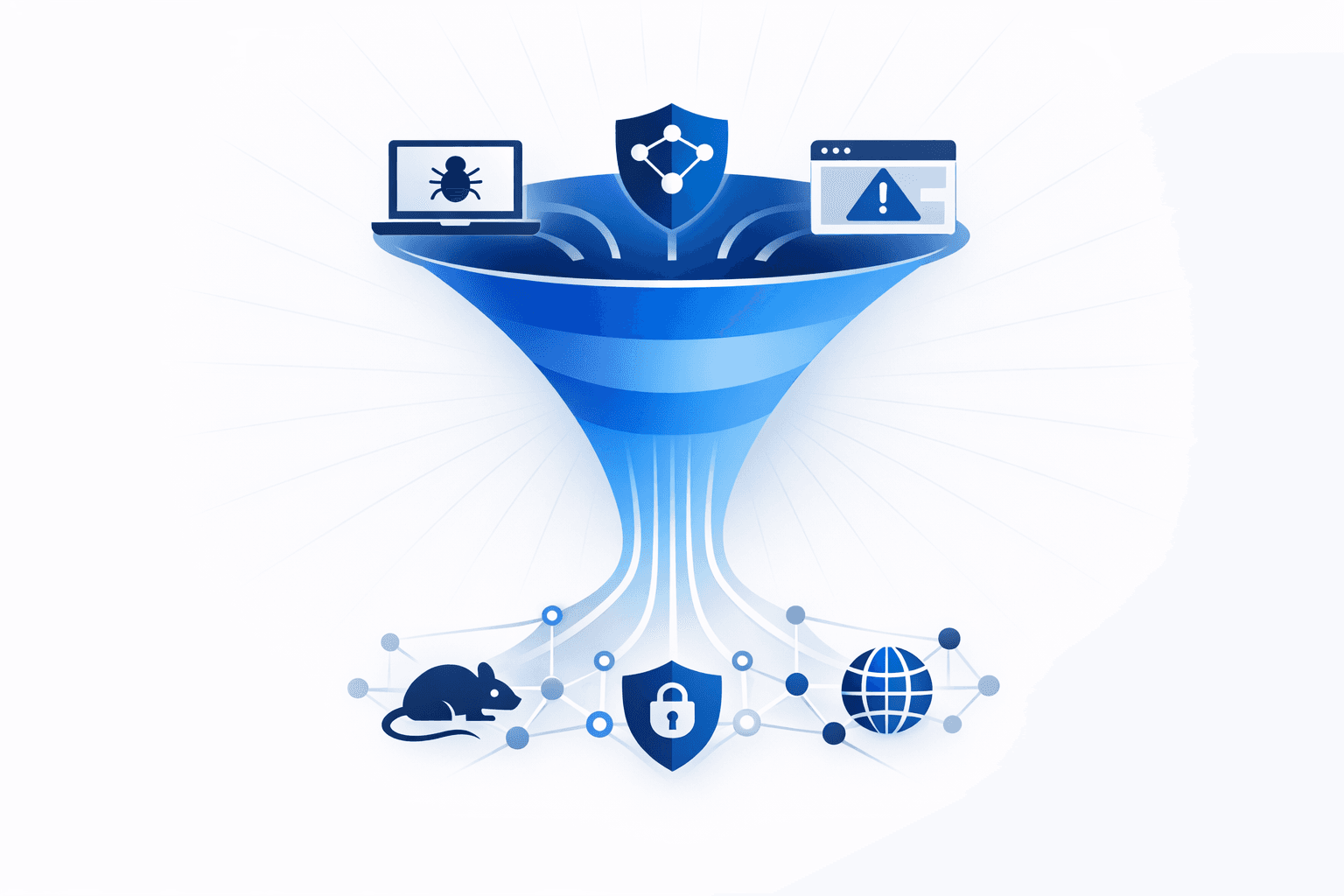
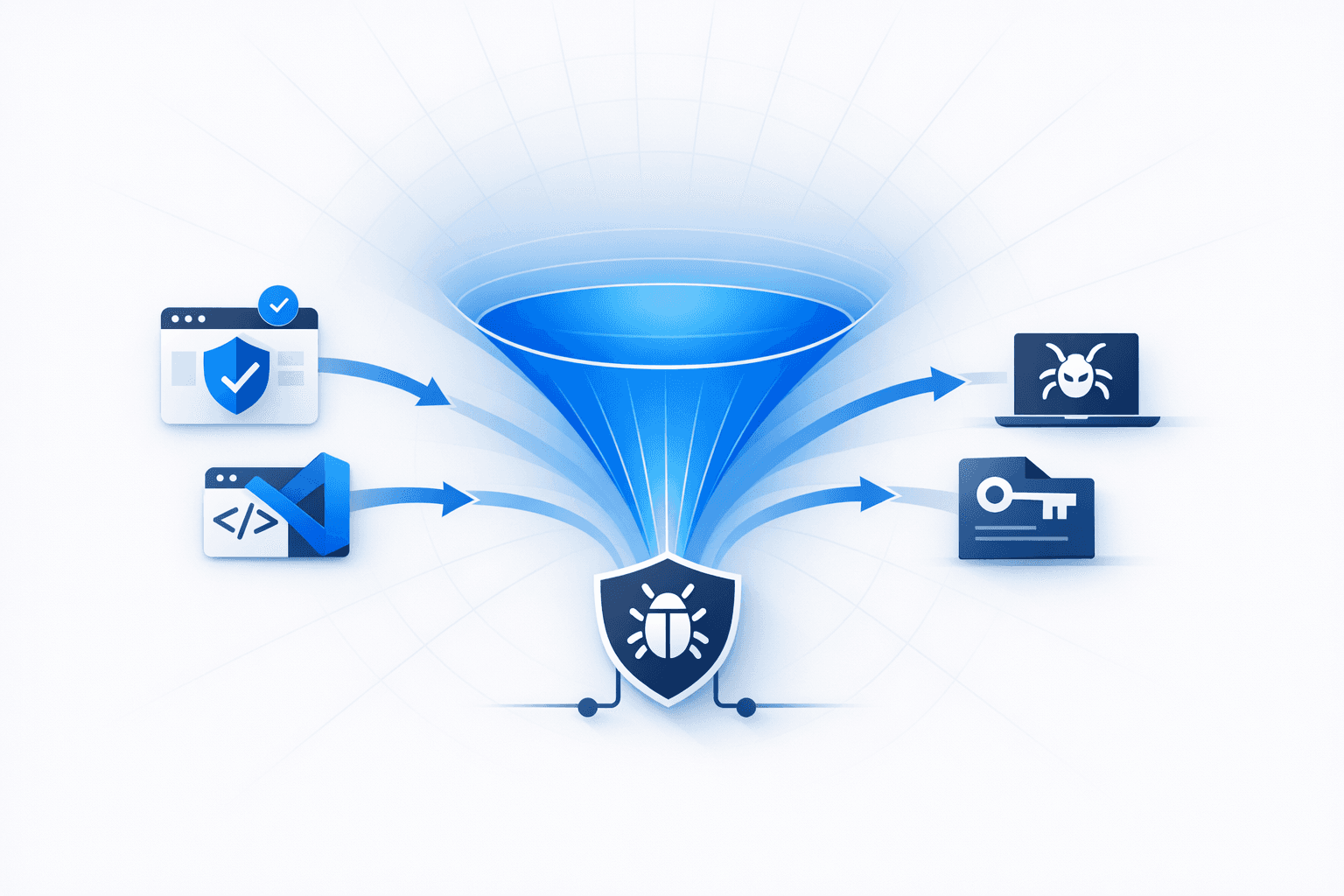
Palo Alto Networks Unit 42 identified CL-CRI-1171, a long-running pay-per-install operation that uses its custom OfferLoader malware to distribute payloads for separate criminal operators. The group lures victims through SEO-poisoned fake software-download sites and at least 11 gaming-focused YouTube channels offering trojanized installers. The search-result campaign has affected corporate, government, and critical-infrastructure endpoints, demonstrating that commodity download lures can lead to enterprise compromise.
OfferLoader fingerprints victims and gates payload delivery to limit scanner visibility; researchers found more than 10,000 distinct loader samples and over 200 rotating domains. Payloads observed in 2026 included Insomnia RAT, ARKTunnel, and Docro Hijacker, followed by GCleaner and Socks5Systemz, enabling remote access, network tunneling, proxy services, and Chrome search and advertising hijacking. The operation illustrates the use of ATT&CK T1608.006 SEO poisoning, in which attackers manipulate search rankings and may use cloaking or redirects to steer targets to malicious infrastructure while evading inspection.
Why it matters
Impact assessment
CL-CRI-1171 creates material enterprise risk because its SEO-poisoned software-download funnel has already reached corporate, government, and critical-infrastructure endpoints, not solely the gamer audience targeted through YouTube. A single execution of a trojanized installer can provide multiple criminal customers with remote access, proxy capacity, network tunneling, browser manipulation, and a path to deploy additional payloads.
Supporting details
- Affected populations: Windows users downloading purported WinDirStat, Bluetooth-driver, gaming-performance, crash-fix, or utility software; Insomnia RAT also supports macOS through its Node.js and Python agents.
- Operational impact: Insomnia RAT can disable Microsoft Defender and establish redundant remote access; ARKTunnel can relay TCP/UDP traffic and execute files; Docro Hijacker can manipulate Chrome searches, injected content, affiliate links, and user redirection.
- Business impact: Potential outcomes include endpoint takeover, credential and system-data collection, security-control impairment, unauthorized use of enterprise networks as proxy/tunnel infrastructure, fraud, and reputational damage from browser-based redirection or downstream compromise.
- Scope: The operation has run for at least two years, has more than 10,000 identified OfferLoader samples, and uses more than 200 rotating domains. The PPI model means payloads can change between infections; June 2026 activity delivered GCleaner and Socks5Systemz rather than the April 2026 payload set.
- Exploitation status: This is confirmed in-the-wild activity. Unit 42 identified the cluster while investigating infections at two separate organizations, including SEO-route compromises of corporate, government, and critical-infrastructure endpoints.