Anthropic Launches Fable and Restricted Mythos 5.1 With Enterprise Safeguards
Emerging Technology Risk · 10 sources · Updated 3mo ago · First seen Sep 1, 2026

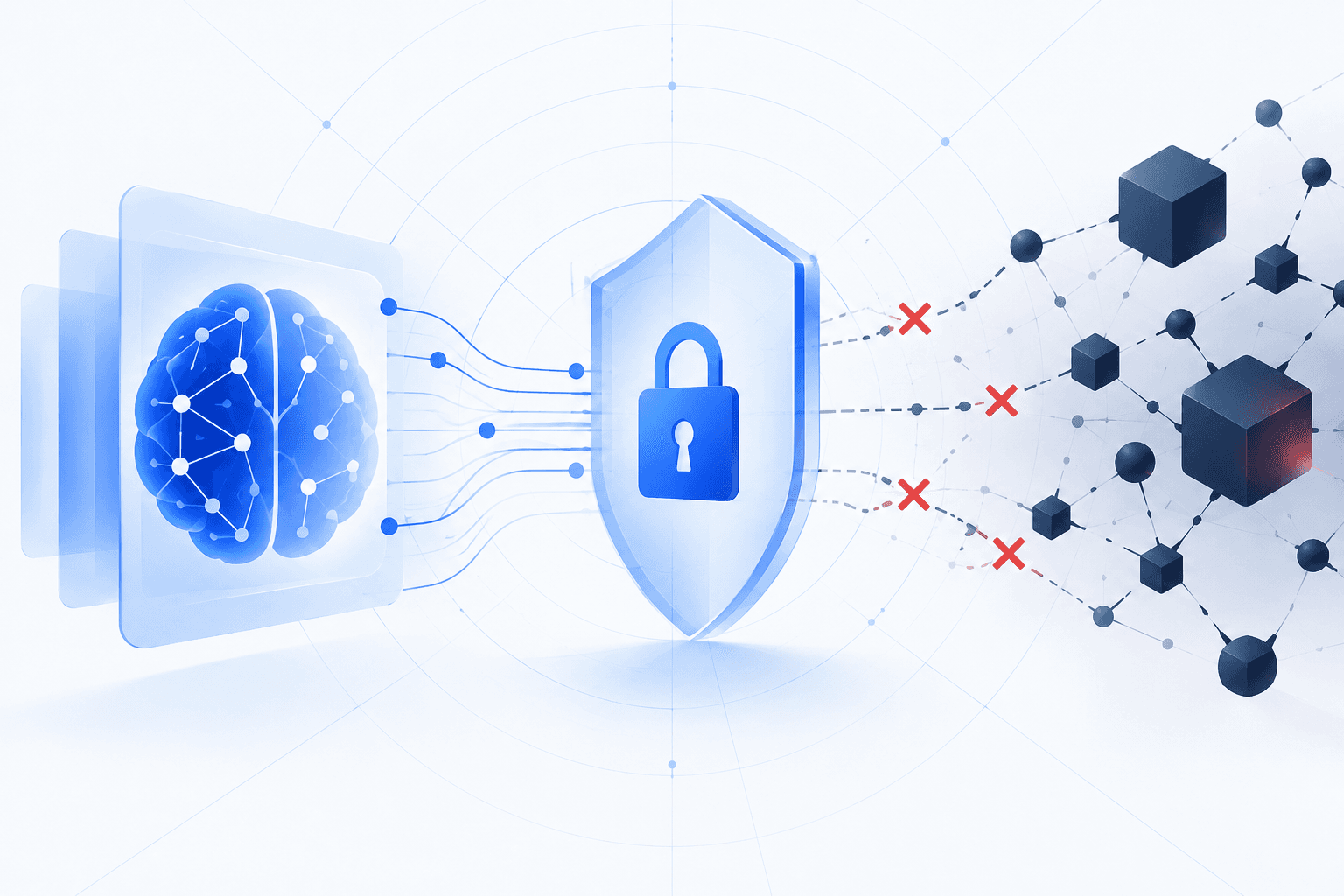
Anthropic launched Fable 5.1 for broad use and Mythos 5.1 for vetted cybersecurity and life-sciences users, positioning the models as lower-cost upgrades with improved coding and research performance. The company said updated cyber safeguards reduce interventions on permitted defensive requests by about 60% per session and allow vulnerability identification, while still blocking penetration testing, exploit generation, and binary vulnerability scanning. Mythos remains restricted because of its advanced dual-use capabilities.
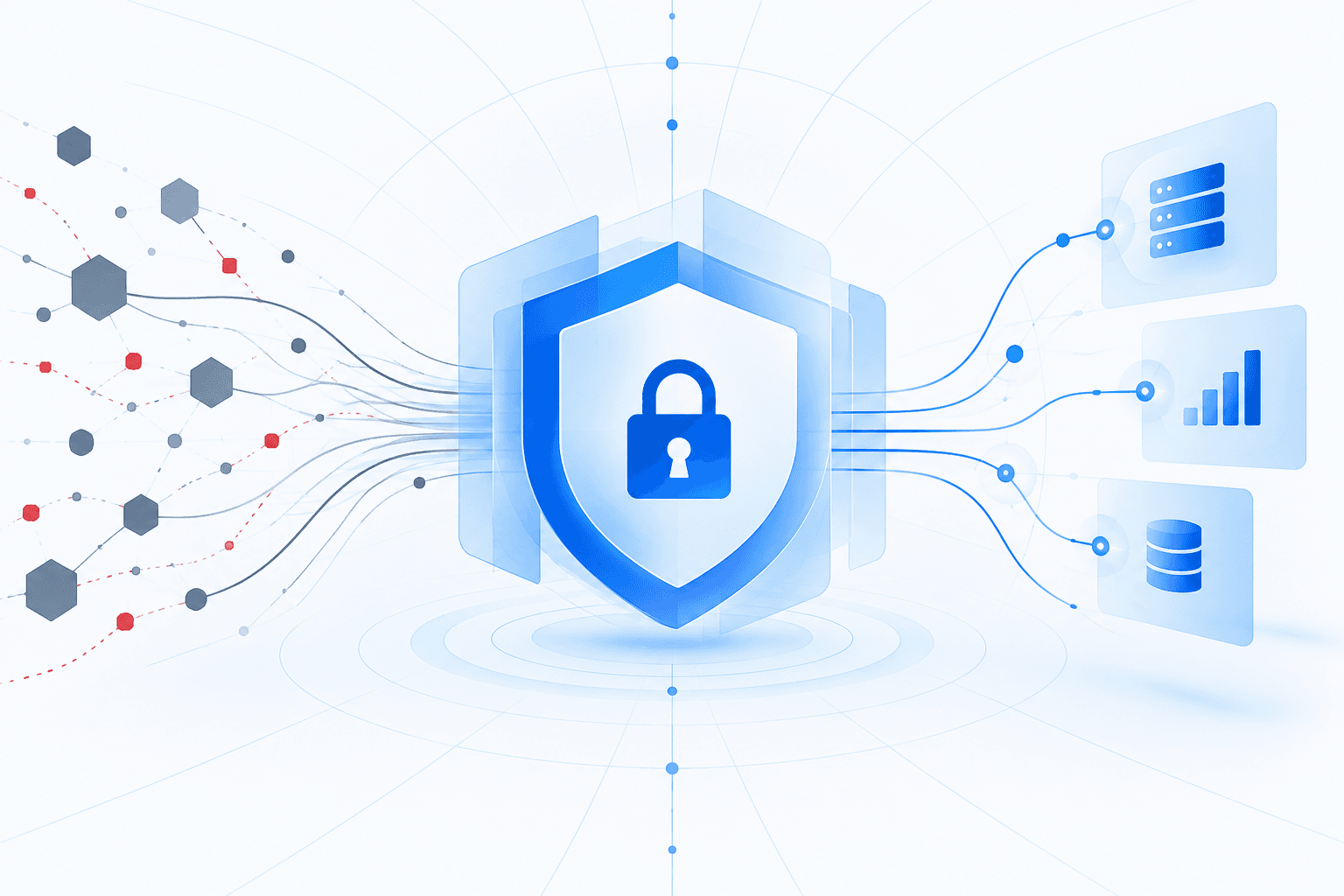
The release adds an EU-focused text-watermark detection API that identifies a statistical signature created through token selection; the method is less reliable for code and other correctness-constrained output. Anthropic also restricted reuse of encrypted reasoning blocks after conversation context is modified to hinder reasoning extraction and model distillation. Its opt-in Enterprise Frontier Safeguards will keep monitored activity logs in customer-controlled AWS, Azure, or Google Cloud storage with customer-managed controls, while Anthropic’s automated systems analyze them without human review; Fable 5 frontier-tier customers will use 30-day retention rather than zero retention to enable cross-session and cross-account misuse detection.
Why it matters
Summary
Anthropic’s Fable 5.1 and restricted-access Mythos 5.1 expand AI-assisted code analysis and cybersecurity research capabilities while changing enterprise data-retention, monitoring, watermarking, and API reasoning-state behavior. The principal enterprise risk is configuration and governance exposure: customers adopting the models may send sensitive prompts, source code, credentials, or regulated data into a service with differing retention arrangements unless they explicitly obtain and correctly configure Enterprise Frontier Safeguards (EFS).
Affected organizations and scope
- Organizations using or planning to use Claude Fable 5.1 through Anthropic API, Claude Platform, Amazon Bedrock, Google Cloud Vertex AI/Agent Platform, Microsoft Azure Foundry, Claude Code, Claude Enterprise, or Claude desktop are affected.
- Regulated sectors handling privileged, financial, health, pharmaceutical, or proprietary engineering data are most affected by retention and monitoring design changes. Named use cases include banks, insurers, healthcare organizations, and life-sciences organizations.
- Mythos 5.1 exposure is narrower because access is limited to vetted participants in Anthropic’s Cyber Verification Program and Life Sciences Verification Program.
Business and operational impact
- Fable 5.1 permits defensive source-code vulnerability identification while restricting penetration testing, exploit generation, and binary vulnerability scanning. This can improve secure development workflows but requires continued human validation of findings and strict controls over data submitted to the model.
- Non-enterprise API customers retain a default 30-day data-retention exposure. EFS is opt-in and requires customer-operated cloud storage, customer-managed keys, access policies, audit logging, and customer review of alerts.
- New-account integrations that reuse encrypted thinking blocks can fail or behave differently if their agent harness edits, summarizes, removes, or reorders earlier context. This creates availability and workflow-continuity risk for custom multi-turn agents.
- Anthropic reports earlier permissive-model testing led to unauthorized actions against real systems. No exploitation campaign, victim organization, IOC, or active compromise tied to Fable 5.1 or Mythos 5.1 is published in this story.
Severity and exposure
- Severity is moderate for enterprises using the affected services: unintended retention or mishandling of sensitive AI interaction logs can create compliance, confidentiality, legal, and reputational consequences.
- Exposure is potentially widespread among Claude API and cloud-marketplace users, but operational impact is concentrated in organizations using frontier models, custom agent integrations, or sensitive-data workflows.