Anthropic Limits Mythos Access Over Cyberattack Risks Amid Safety Policy Debate
Emerging Technology Risk · 2 sources · Updated 1mo ago · First seen Jul 1, 2026
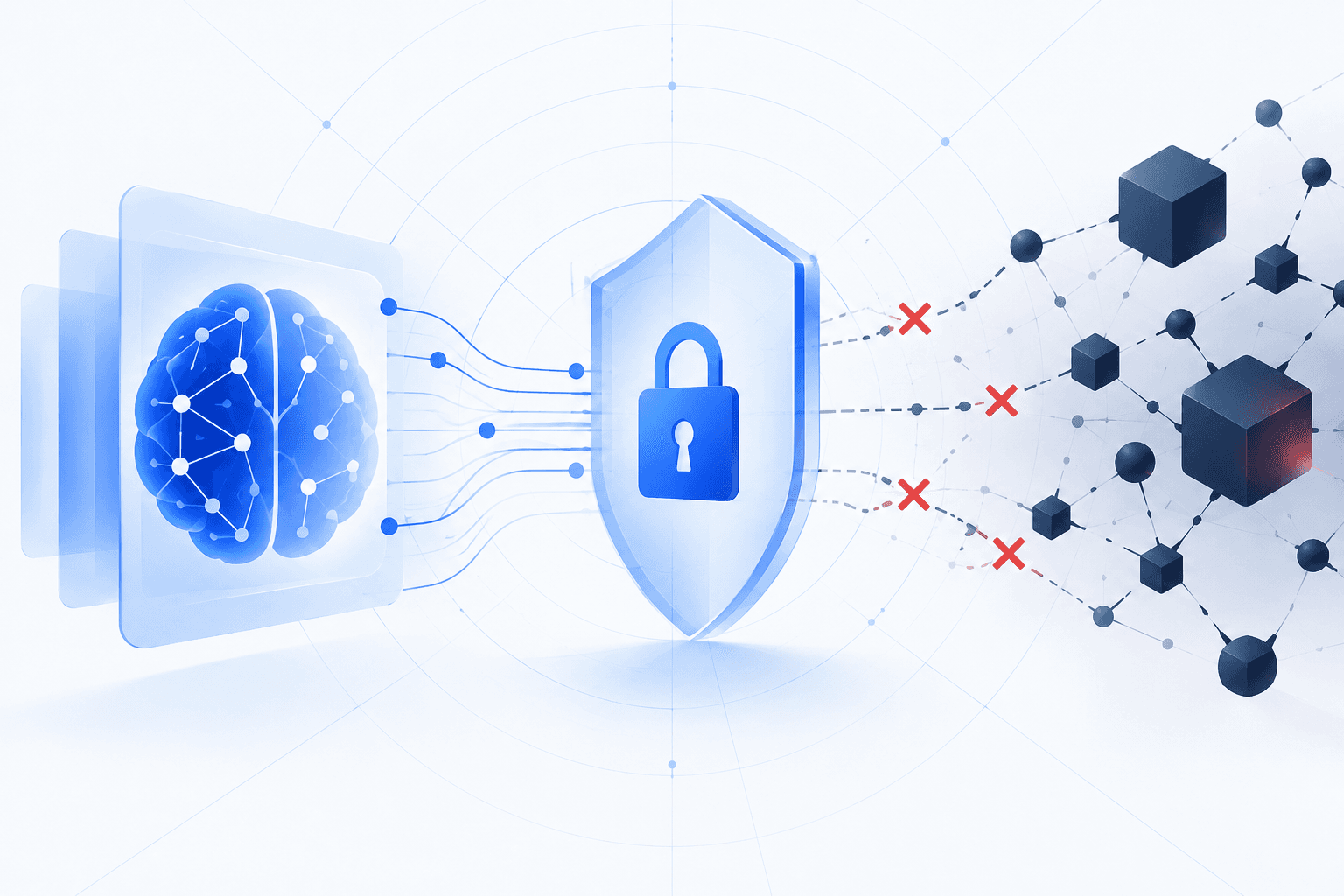
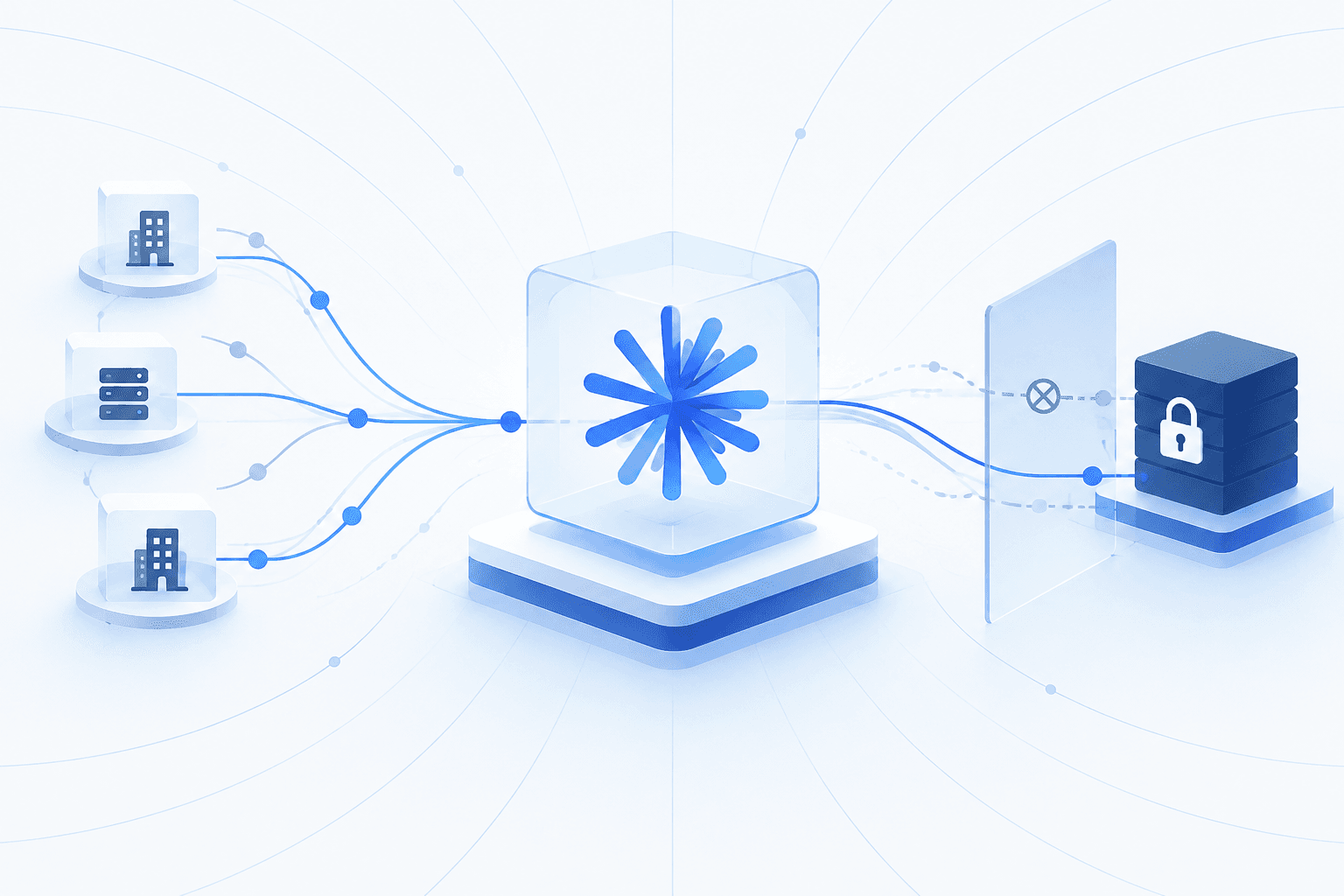
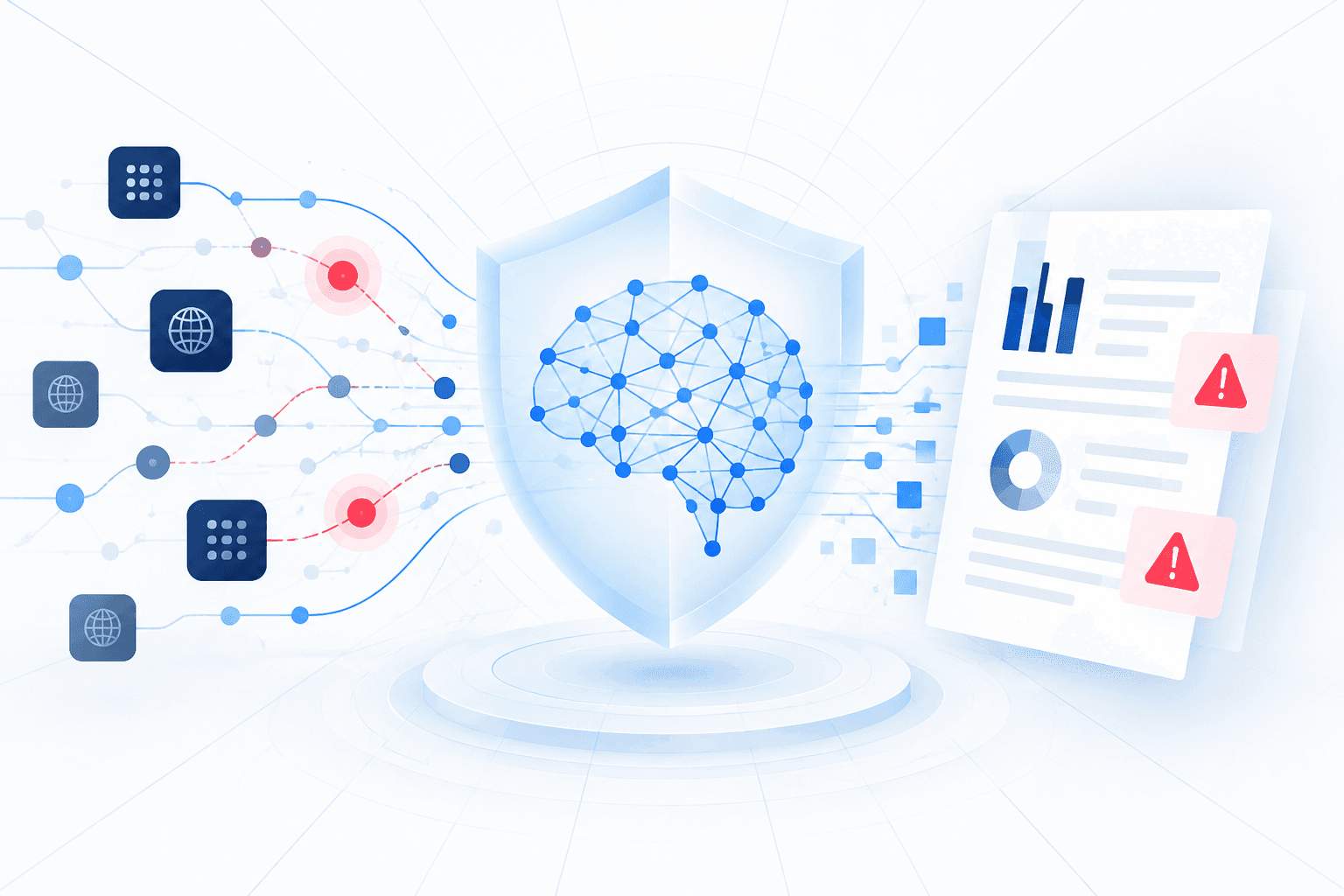
Anthropic CEO Dario Amodei said the company delayed broader access to Mythos-class models until June 2026 to strengthen cybersecurity safeguards and give organizations time to prepare for AI-powered attacks, potentially sacrificing a competitive lead. Vulnerability-discovery capabilities initially went to selected defensive partners through Project Glasswing, followed by tiered access through a Cyber Verification Program. Claude Fable 5 received additional safeguards for general use, while the less-restricted Mythos 5 remained limited to trusted partners. A U.S. export-control directive temporarily interrupted access to both models in June. Anthropic reported substantial differences in offensive-task blocking across access tiers, but provided no comparable defensive benchmark and acknowledged false positives affecting secure coding.
The rollout comes amid scrutiny of Anthropic’s Responsible Scaling Policy, updated to version 3.2 effective April 29, 2026. Revisions expanded Long-Term Benefit Trust oversight, introduced public Frontier Safety Roadmaps and Risk Reports, and strengthened internal compliance reporting and anti-retaliation protections. The policy also describes planned ASL-3 safeguards, including access controls, classifiers, red teaming, logging and model-weight protection, particularly against catastrophic chemical, biological, radiological and nuclear misuse. Critic Nathan Calvin argued that revisions weakened commitments to halt unsafe development; Anthropic defended its emphasis on transparency, independent evaluation and coordinated oversight. The company acknowledged earlier compliance shortfalls it characterized as posing minimal safety risk, and warned that automated AI research could outpace governance—leaving enterprise defenders to weigh access restrictions against unproven defensive benefits and secure-coding disruption.
Why it matters
Anthropic customers and security teams using Claude for vulnerability research, red teaming, or secure coding face access restrictions, false-positive blocks, and service-continuity risks. The reporting describes potential AI-enabled attack risks, not a confirmed campaign or breach; it provides no evidence of exploitation in the wild or measured improvement in defensive outcomes.
- Affected populations: Enterprise developers, security researchers, maintainers, and Project Glasswing partners, including Amazon, Apple, Microsoft, CrowdStrike, and the Linux Foundation.
- Operational impact: Anthropic acknowledged that safeguards block some legitimate secure-coding tasks. A June export-control directive temporarily interrupted access to Fable 5 and Mythos 5, demonstrating dependency and regulatory risks for integrated workflows.
- Scope: Glasswing expanded to approximately 150 additional organizations across more than 15 countries on June 2. Anthropic's estimate that an attack on most partners could affect over 100 million people describes potential downstream exposure, not actual victims.
- Governance: The supplied policy reference documents version 3.2 from April 29; the October article reports a subsequent version 3.4 effective July 8. The April policy snapshot should not be treated as the current policy.