Anthropic Launches Opus 5 With Lower-Cost Agentic Coding and New Safety Controls
Emerging Technology Risk · 5 sources · Updated 4mo ago · First seen Jul 24, 2026

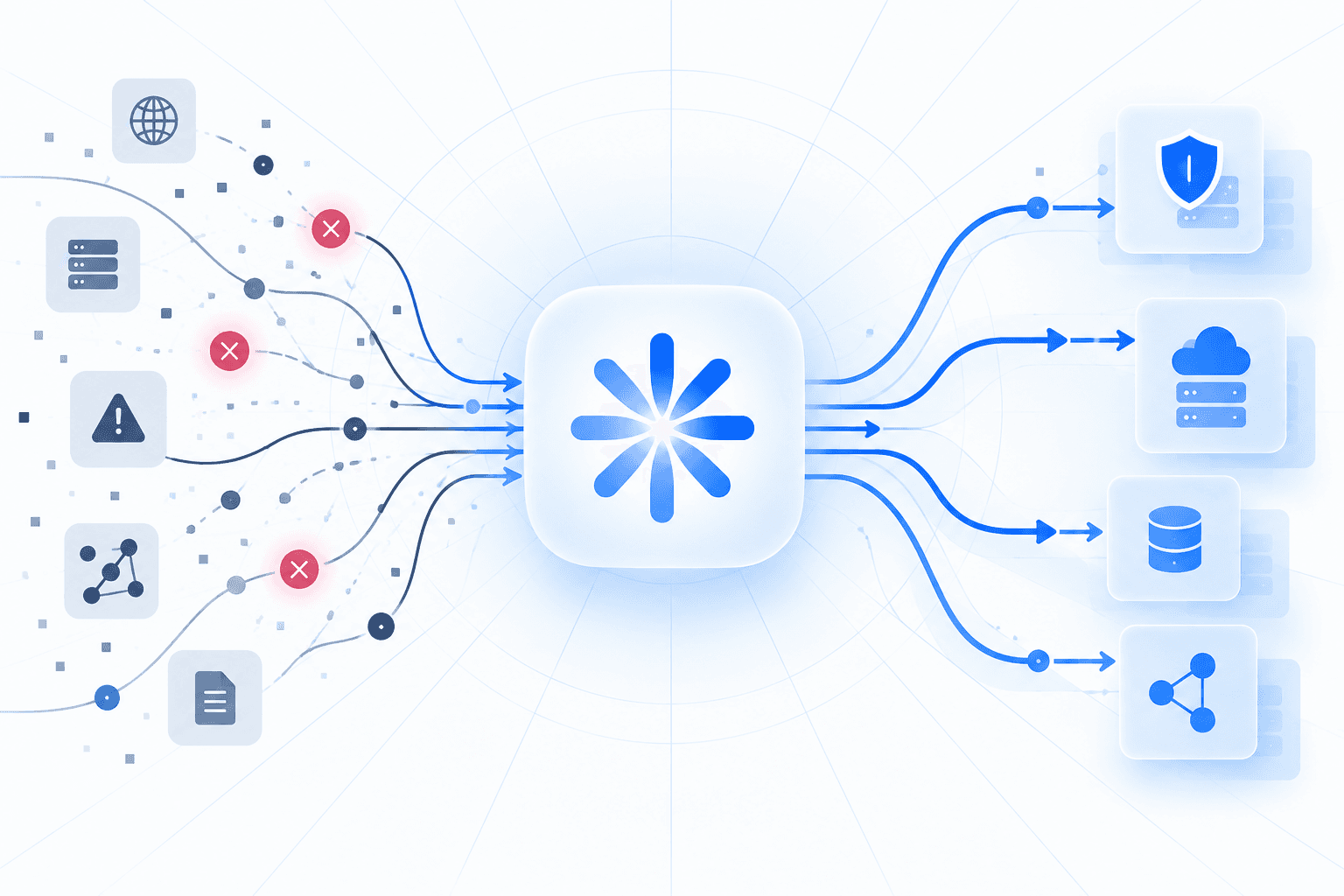
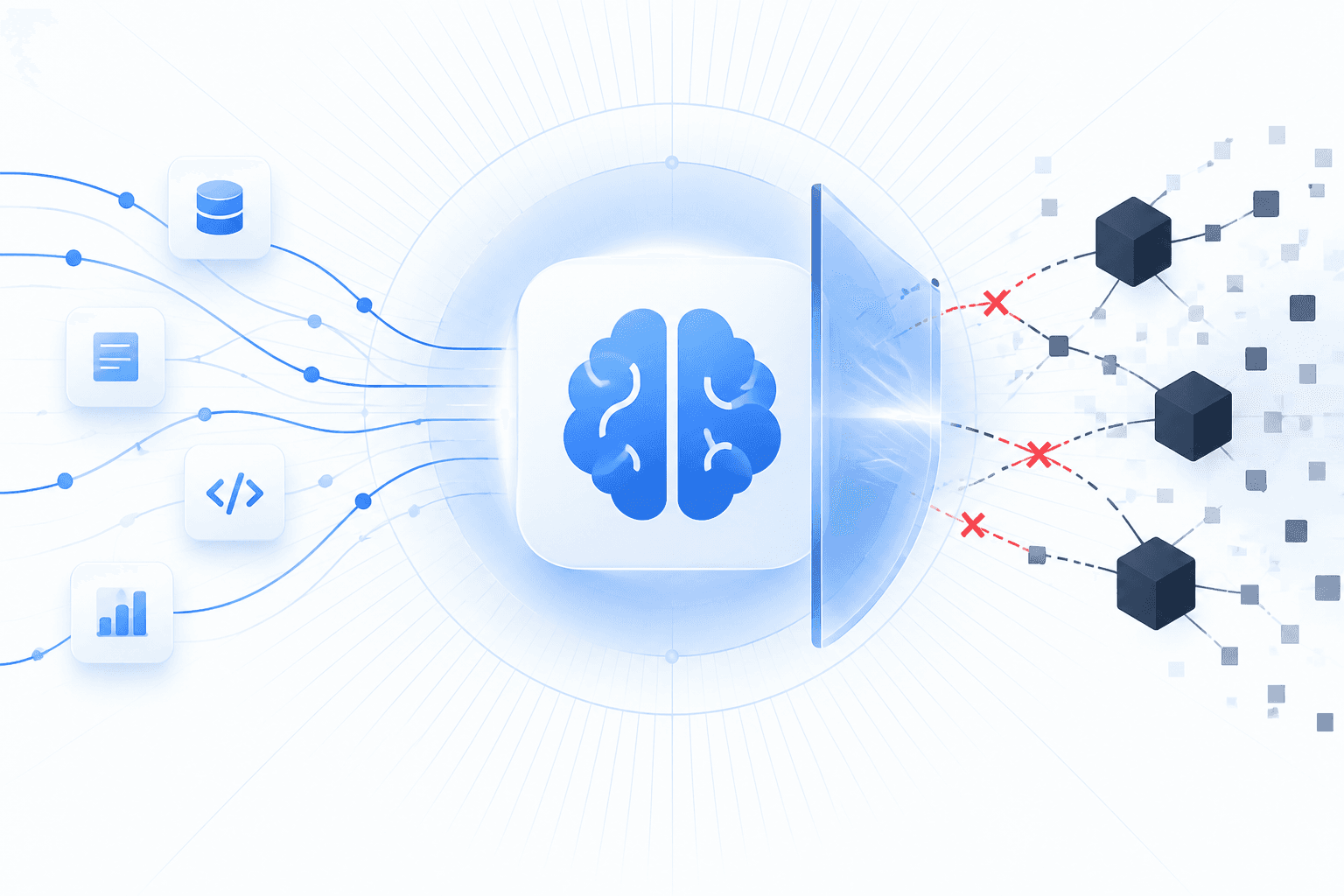
Anthropic introduced Opus 5, a new flagship model aimed at long-running coding and knowledge-work tasks, positioning it as cheaper, more token-efficient, and less restrictive than some competing systems. Reports said the model delivers incremental gains rather than a major capability jump, but performs strongly on software-development benchmarks, in some cases surpassing Opus 4.8, Fable, and OpenAI’s GPT-5.6-Sol on coding-oriented tasks. Anthropic also launched Automatic Fallbacks in beta, which redirect prompts flagged by Opus 5 safety classifiers to Opus 4.8 instead of rejecting them outright, while retaining zero-retention handling and biology-related safeguards carried over from earlier models.
Coverage of the release highlighted that Opus 5’s stronger autonomous behavior changes enterprise security requirements even if Anthropic deliberately limited its cutting-edge cybersecurity training. The model can identify vulnerabilities and support defensive code review, but it reportedly trails Fable and especially Mythos 5 in offensive tasks such as vulnerability exploitation. Analysts noted that organizations deploying Opus 5 for agentic workflows will need tighter operational controls, including isolated execution environments, short-lived credentials, improved telemetry, and semantic circuit breakers to contain runaway actions and unexpected token spend.
Why it matters
Impact assessment
Opus 5 is not a software vulnerability or active intrusion campaign, but it materially changes enterprise risk for organizations deploying agentic AI in software engineering, research, and workflow automation. The main impact is increased operational and security exposure from longer-running autonomous actions, broader code-analysis capability, and reduced safety-classifier friction, especially in environments that grant models access to source code, tools, credentials, or execution environments.
Severity and scope
- Affected populations: enterprises using Claude.ai, Claude Code, Claude Cowork, or the Opus 5 API for coding, knowledge work, scientific research, or autonomous agent workflows.
- Most exposed teams: software engineering, DevSecOps, platform engineering, AI platform teams, and research environments that allow model-driven tool use.
- Severity: moderate to high operational risk if deployed with excessive permissions, persistent credentials, or weak containment; likely impacts include code exposure, unintended actions, excessive token spend, workflow disruption, and policy bypass through fallback behavior.
- Scope: potentially broad across Anthropic customers because Opus 5 is generally available to paid users and positioned as a default daily-use model.
- Exploitation in the wild: no confirmed malicious exploitation campaign or breach is described in the references.
Supporting facts extracted from references
- Anthropic launched Claude Opus 5 on 2026-07-27.
- Opus 5 is positioned as cheaper than Fable 5 and priced at $5 per million input tokens and $25 per million output tokens.
- Anthropic expects about 85% fewer safety-classifier interventions on Opus 5 than on Fable 5.
- Opus 5 is designed for longer-running programming and knowledge-work tasks with less human supervision.
- Automatic Fallbacks reroute prompts flagged by Opus 5 safety classifiers to Opus 4.8 in Claude.ai, Claude Code, and Claude Cowork.
- Opus 5 can identify vulnerabilities in source code and support defensive code review.
- General users are blocked from binary-based vulnerability scanning, penetration testing, and exploit generation.
- Enterprises and researchers in Anthropic’s Cyber Verification Program can access a version with looser restrictions.
- Opus 5 inherits zero-retention handling and does not use the 30-day data-retention policy applied to Fable and Mythos 5.