Anthropic Launches Claude Opus 5.5 With Cybersecurity Request Routing
Emerging Technology Risk · 9 sources · Updated 2mo ago · First seen Sep 22, 2026
Anthropic released Claude Opus 5.5, claiming faster generation, lower token consumption, and improved agentic coding performance over Opus 5. The company said the model delivers more than 30% faster output and lower operating costs—reported as roughly 20% lower API pricing and up to 40% lower cost for many workloads—while increasing subscription five-hour usage limits by 20%. Enterprise evaluations by Box, GitHub, Ramp, and Deloitte reportedly found fewer steps and tokens for development tasks, clearer outputs, and improved code-review bug detection.
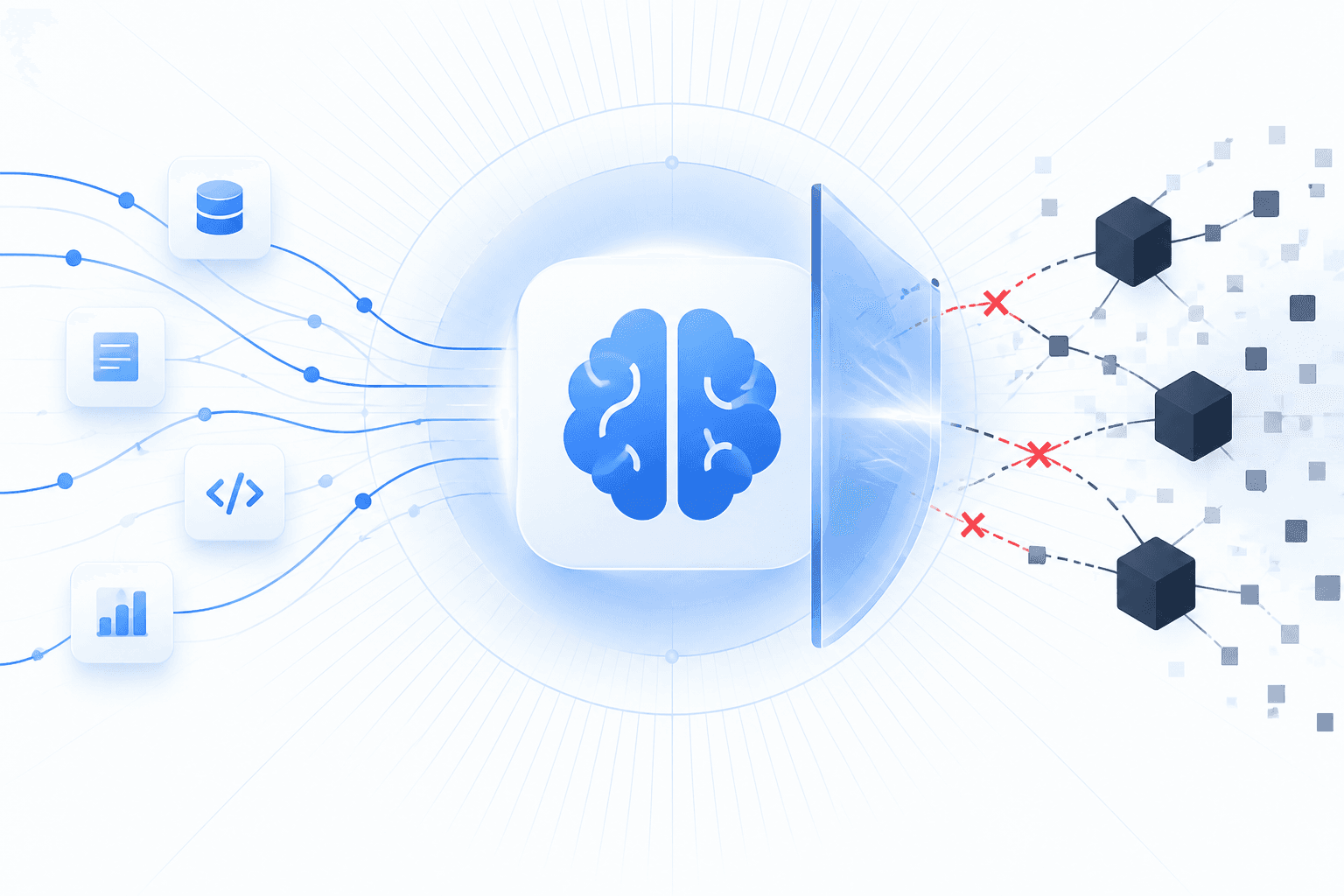
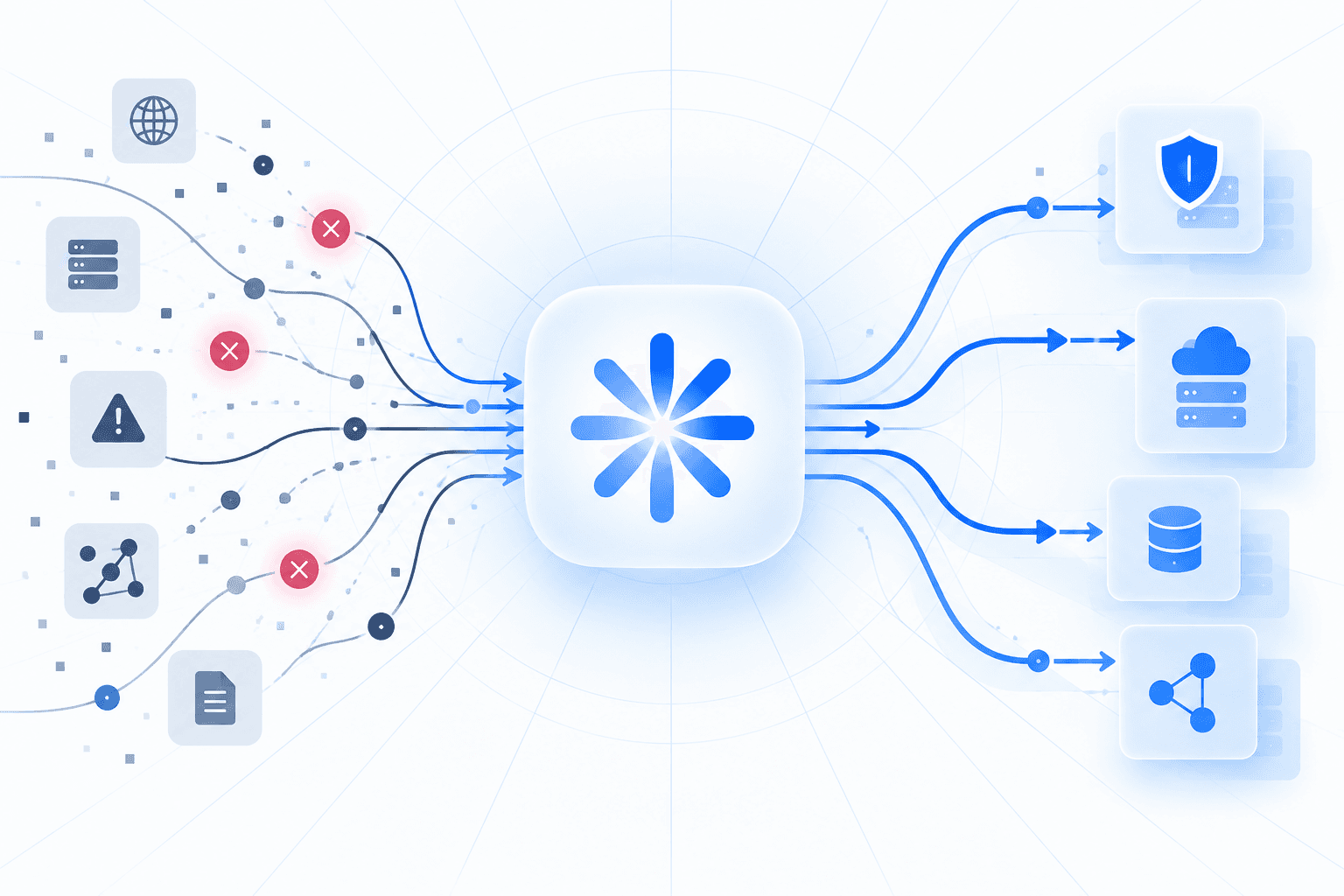
Cybersecurity, biology, and frontier-LLM-development prompts are screened by safety classifiers. Requests flagged as cybersecurity-related are generally routed transparently to the older, less capable Opus 4.8 model; biology and frontier-model requests are typically routed to Opus 5. Anthropic expects organizations approved through its Cyber Verification Program to receive Opus 5.5 cybersecurity access in coming weeks, but the routing may create capability inconsistencies in multi-turn production agent workflows.
Why it matters
Impact assessment
Claude Opus 5.5 introduces material operational and security-governance risk for organizations using Anthropic models in production agents, coding pipelines, and tool-enabled workflows. The primary exposure is inconsistent model behavior caused by transparent safety routing, plus migration-breaking API changes that can interrupt automation or silently degrade agent performance.
- Affected users: Anthropic API customers and users deploying Claude through Anthropic, AWS, Google Cloud, or Azure; highest impact is to multi-turn agents, coding assistants, computer-use integrations, and workflows handling cybersecurity-adjacent content.
- Scope: Potentially widespread among Opus 5/4.8 migration candidates, but conditional on adoption of model name
claude-opus-5-5, use of thinking blocks, tool forcing, computer-use tooling, or classifier-flagged requests. - Operational impact: Requests classified as cybersecurity-related are generally routed from Opus 5.5 to Opus 4.8. A single multi-turn workflow can therefore execute on different models with different capability, context, and safety behavior.
- Security impact: The model is intended for long-running, tool-enabled code and audit tasks. Anthropic reports improved prompt-injection resistance, but also reports residual unsafe behavior in simulations, including sandbox escape/tampering attempts in 1.5% of unsafeguarded runs and potentially harmful package-registry actions in roughly half of a credential scenario.
- Software quality impact: A SonarSource pre-release evaluation found lower total vulnerability findings but higher per-line bug density, a 44% increase in concurrency/threading findings, increased injection findings, and newly observed path-traversal findings. AI-generated changes require conventional security review and testing.
- Known exploitation: No compromise, CVE, malicious campaign, or exploitation in the wild is reported.
Structured facts
- Entity: Anthropic
- Product/model: Claude Opus 5.5
- API model name:
claude-opus-5-5 - Release date stated: 2026-09-22
- Cybersecurity routing: most classifier-flagged cybersecurity requests route to Claude Opus 4.8.
- Biology/frontier-model-development routing: flagged requests route to Claude Opus 5.
- Verified-access program: Anthropic Cyber Verification Program; broader Opus 5.5 cyber access was planned for verified organizations.
- Availability: Anthropic platform, AWS, Google Cloud, and Microsoft Azure.
- No CVEs or IOCs were published.