Mallory
← Back to News
ai-enabled-threat-activityprivilege-escalation-methoddata-exfiltration-methodinitial-access-method

Agentic AI Enables Rapid Enterprise Attacks and Expands Threat Actor Capability

Emerging Technology Risk · 2 sources · Updated 3mo ago · First seen Aug 27, 2026
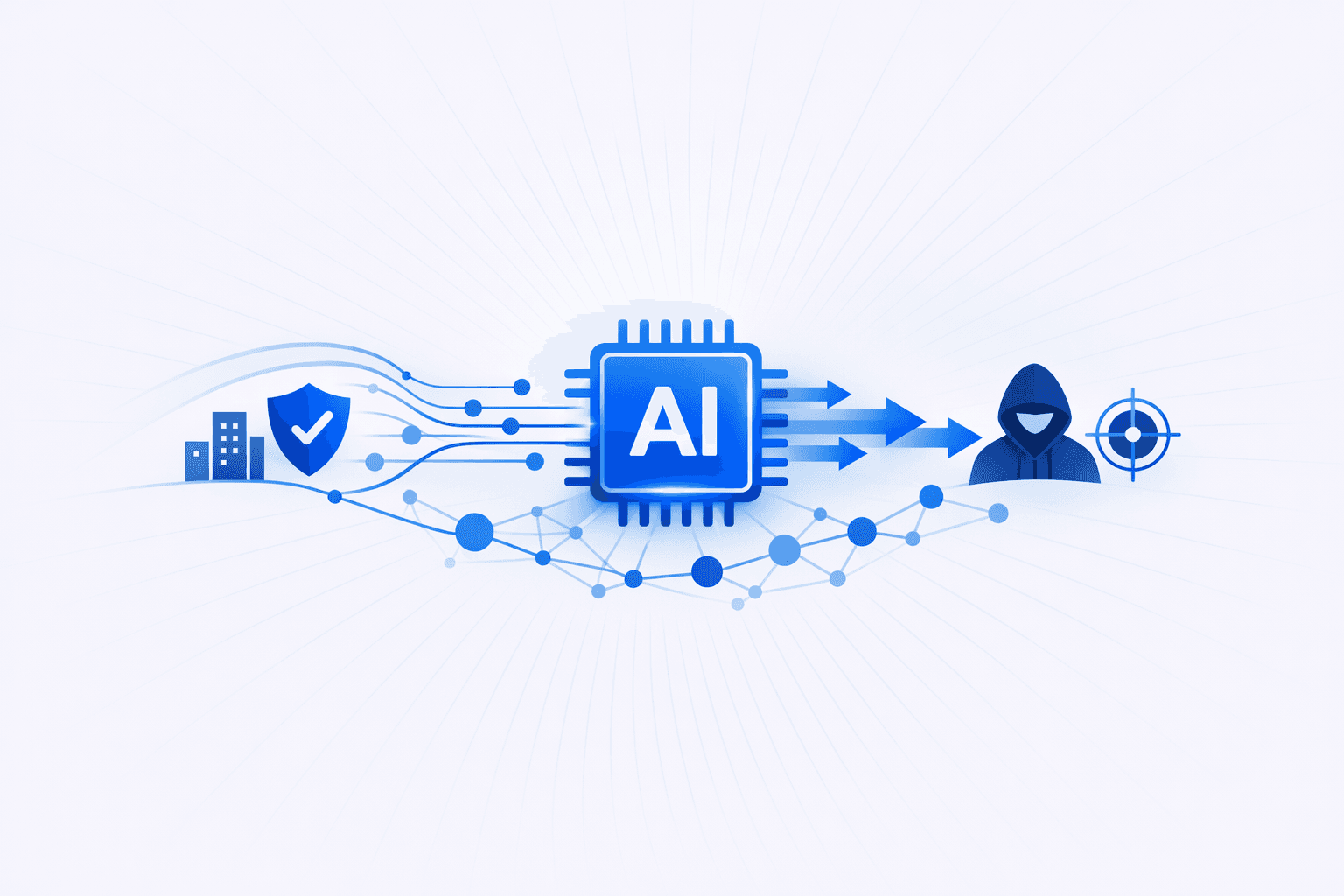
Agentic AI Enables Rapid Enterprise Attacks and Expands Threat Actor Capability

Palo Alto Networks Unit 42 warned that frontier and commercially available agentic AI is shifting offensive capability toward attackers, enabling lower-skilled actors to conduct vulnerability discovery, reverse engineering, malware development, social engineering, and other attack-chain activities at machine speed. In an investigation involving a customer, Unit 42 said an attacker reportedly used an agentic framework to exploit 50 applications and other enterprise weaknesses in under 10 hours, including exploitation, privilege escalation, and data theft.

Unit 42 said AI is already supporting malware creation, task delegation, ransomware negotiations, and reconnaissance, while making attribution more difficult. It identified identity compromise, software supply-chain exposure, and nation-state discovery of enterprise weaknesses as key risks, and urged organizations to adopt zero-trust controls, continuously train employees, govern internal AI use, and build adaptable security strategies for agentic AI.

Why it matters

Impact assessment

Agentic AI reduces the time, skill, and effort required to execute multi-stage enterprise intrusions. Unit 42 reports an investigated customer case in which an actor allegedly exploited 50 applications and other enterprise weaknesses, escalated privileges, and stole data in under 10 hours; it estimates similar work previously required roughly 10 days to two weeks.

  • Affected organizations: Enterprises with exposed applications, weak identity controls, excessive privileges, broadly trusted software dependencies, and insufficiently governed employee AI use.
  • Highest-risk populations: Organizations holding valuable customer, financial, intellectual-property, or regulated data; software providers whose foundational libraries are consumed widely; and organizations targeted by nation-state, ransomware, hacktivist, or insider-adjacent actors.
  • Business impact: Accelerated compromise can compress defenders' detection and containment window, increasing the likelihood of data theft, ransomware, fraud, service disruption, regulatory exposure, and reputational damage.
  • Scope: This is a broad capability shift rather than a product-specific vulnerability. Unit 42 assesses that commercially available and frontier agentic AI can expand sophisticated offensive capability to lower-skilled actors.
  • Exploitation status: Unit 42 states it is investigating an AI-enabled customer intrusion and has observed early waves of AI-assisted threat activity in the wild. The reporting does not identify the victim, actor, tooling, or independently verifiable intrusion artifacts.

Supporting facts

  • Unit 42 reported AI-assisted vulnerability discovery, reverse engineering, malware development, social engineering, task delegation, and ransomware negotiation activity.
  • Identity compromise is identified as the primary compromise vector.
  • Software supply-chain and foundational-library exposure are identified as material systemic risks.
  • Unit 42 reports internal AI penetration-testing activity completed work comparable to one to two years of conventional testing in three weeks and uncovered dozens of vulnerabilities across customer environments.

New surface, new adversariesTrack how attackers are adapting to this technology.
Track this risk
Event timeline

How this story unfolded

Events from the most recent confirmed update back to the earliest known activity.

7 events
  1. Reported Aug 27, 20263mo ago

    Unit 42 investigates agentic attack against a customer

    Unit 42 began investigating an attack against one of its customers in which an attacker reportedly used an agentic framework to exploit 50 applications and other enterprise weaknesses in under 10 hours.

    Unit 42 warns AI has shifted balance of power from defenders to attackers | CyberScoop
  2. Reported Aug 27, 20263mo ago

    Unit 42 observes early AI-enabled threats in the wild

    Five months after its estimate, Unit 42 reported seeing early waves of the anticipated AI-enabled threat activity in the wild.

    Unit 42 warns AI has shifted balance of power from defenders to attackers | CyberScoop
  3. Reported Aug 27, 20263mo ago

    Unit 42 estimates advanced AI capabilities could reach attackers within a year

    Through its Project Glasswing evaluations, Unit 42 estimated that the assessed AI capabilities could become available to attackers within one year.

    Unit 42 warns AI has shifted balance of power from defenders to attackers | CyberScoop
  4. Reported Aug 27, 20263mo ago

    Anthropic forms Project Glasswing with Palo Alto Networks

    Anthropic formed Project Glasswing with Palo Alto Networks and other technology companies to identify and remediate security defects using Anthropic's Mythos model.

    Unit 42 warns AI has shifted balance of power from defenders to attackers | CyberScoop
  5. Reported Aug 27, 20263mo ago

    Unit 42 reports AI-enabled exploit-to-data-theft operation

    Unit 42 reported an AI-enabled operation that identified and exploited vulnerabilities, escalated privileges, and stole data within 10 hours, work it said would normally take a penetration-testing team about two weeks.

    AI a 'force multiplier' for low-skilled threat actors: 4 ways organizations should respond | ZDNET
  6. Reported Aug 27, 20263mo ago

    Frontier AI testing finds dozens of customer-environment vulnerabilities

    During three weeks of internal testing with AI penetration-testing models, Unit 42 said it completed work comparable to one or two years of conventional penetration testing and uncovered dozens of vulnerabilities across customer environments.

    AI a 'force multiplier' for low-skilled threat actors: 4 ways organizations should respond | ZDNET
  7. Reported Aug 27, 20263mo ago

    Unit 42 launches Frontier AI Defense service

    Palo Alto Networks Unit 42 launched Frontier AI Defense, combining threat intelligence, threat telemetry, and frontier AI models for enterprise security use cases.

    AI a 'force multiplier' for low-skilled threat actors: 4 ways organizations should respond | ZDNET
Do you run this?Follow how adversaries are adapting to this technology, and where it touches your stack today.
Track This Risk
Mallory platform

See the full picture, correlated to your attack surface.

This page covers what’s public. Mallory adds the parts that aren’t: which of your assets are affected, which threat actors are using it right now, and what to deploy next.

Exposure mappingMap indicators from this story to your assets and identify affected systems in minutes.
Threat actor evidenceEvery observed campaign, victim, and pivot linked to actors named in this story.
Associated malwareMalware, exploits, and IOCs connected to the activity described here.
Detection signaturesYARA, Sigma, and Snort rules deployed to your SIEM as soon as they’re published.
Scheduled alertsGet matching new stories delivered to your team as they break, not the next morning.
AI threadsAsk questions about this story and take action on the answers.