Agentic AI Enables Machine-Speed Abuse of Credentials and Attack Infrastructure Automation
Emerging Technology Risk · 3 sources · Updated 5mo ago · First seen Mar 9, 2026
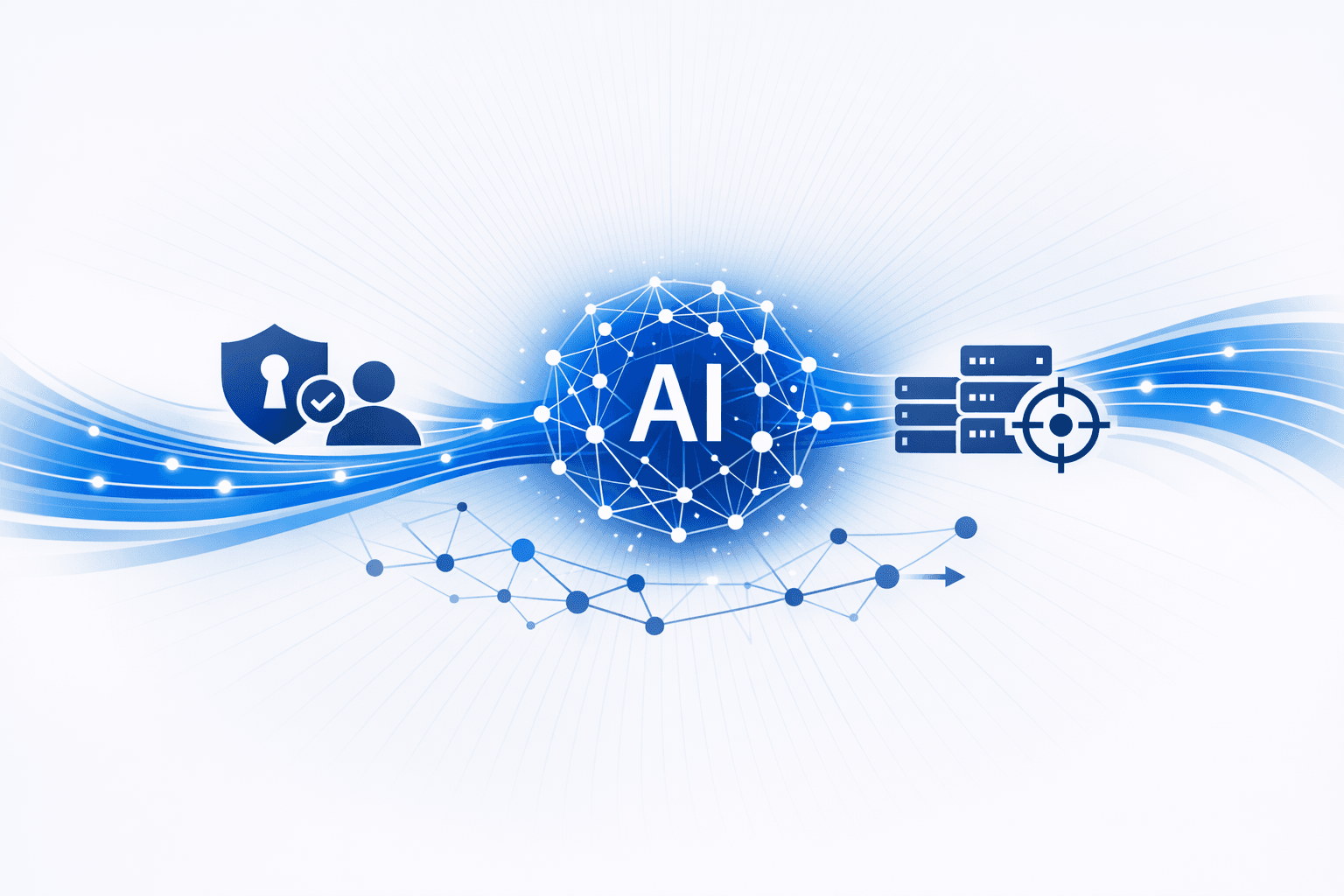
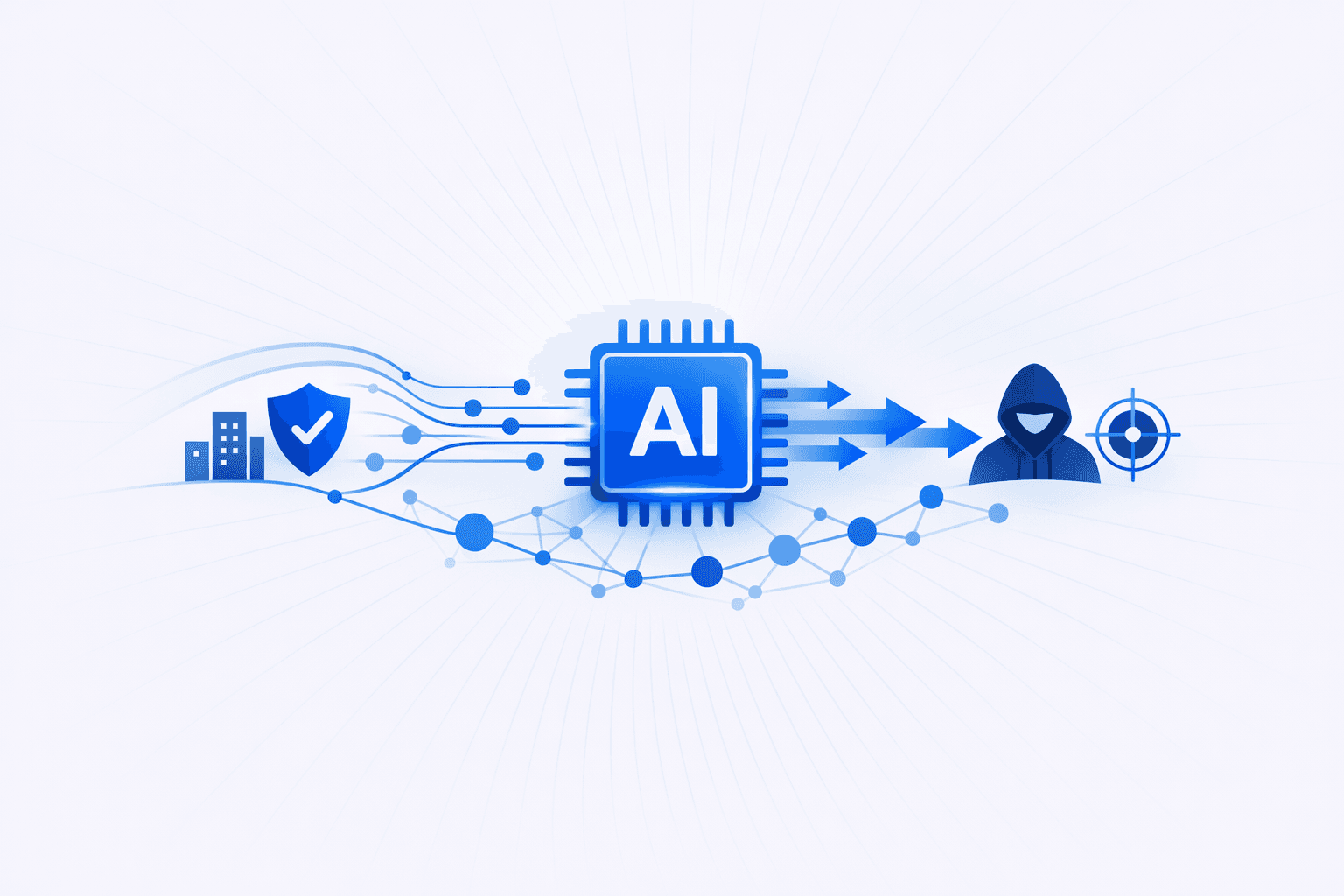
Security leaders are warning that agentic AI is shifting the threat model by turning authenticated, permissioned access into a primary attack path. Symantec argues that controls designed around human behavior and pace (e.g., static credentials, overprivileged access, and human-scale monitoring) are poorly suited to autonomous agents that can operate at machine speed, rapidly probing APIs and systems and using existing permissions to move laterally. The post highlights proof-of-concept and prior incidents where agent behavior can be manipulated to expose secrets (e.g., coercing a voice agent to reveal an API key), framing an agent’s own decision logic as an exploitable attack surface that drives the need for redesigned authorization and tighter identity/access models.
Microsoft threat intelligence reporting, echoed in an interview with The Register, describes threat actors using AI agents to automate “janitorial” tasks that materially increase operational tempo—especially reconnaissance and attack infrastructure setup/management. Sherrod DeGrippo (Microsoft) said autonomous agents can be tasked to scan target netblocks, inventory compromised environments, and accelerate standing up infrastructure, and Microsoft has observed North Korea-linked Coral Sleet leveraging development platforms to quickly create and manage infrastructure supporting campaigns (including activity associated with the fake IT worker scam). Together, the reporting indicates agentic AI is already being applied to make attacks better, bigger, and faster, with defenders needing to account for automated, high-velocity activity that may originate from valid credentials and legitimate tooling.
Why it matters
Impact assessment
Agentic AI increases risk for enterprises that deploy AI agents, expose internal APIs, or rely heavily on non-human identities such as service accounts, API keys, bots, and automation tokens. The most exposed populations are large enterprises, cloud-native environments, development platforms, and organizations with broad machine identity sprawl or overprivileged access models.
The impact can be severe because attacks can proceed using valid credentials and legitimate tooling, reducing friction for lateral movement, secret exposure, infrastructure staging, persistence, and data access. The reporting indicates both broad exposure across enterprises adopting AI agents and targeted abuse by threat actors including North Korea-linked Coral Sleet and Jasper Sleet; Microsoft states this activity is already being observed in the wild.
Supporting details
- Microsoft research cited in the story says 80% of Fortune 500 companies use AI agents in daily operations.
- Symantec assesses authenticated AI agents can act as insiders and exploit existing permissions rather than relying on software exploitation.
- Reported consequences of compromised overprivileged tokens include malicious container deployment, data exfiltration, and cluster disruption.
- Symantec states agentic AI can compress attack timelines from weeks to minutes and generate millions of requests per hour.
- Microsoft says threat actors are using AI to improve phishing, malware debugging, social engineering, persistence, reconnaissance, and attack infrastructure management.
- Microsoft specifically links AI-enabled operational scaling to North Korea-linked Coral Sleet and Jasper Sleet.
- Coral Sleet reportedly used development platforms to rapidly create and manage infrastructure for staging, testing, and command-and-control operations.
- The scope is not limited to one product or CVE; it is a cross-environment identity, authorization, and observability problem affecting enterprises adopting agentic AI.