Agentic AI Accelerates Cloud Intrusions by Exploiting Existing Security Gaps
Emerging Technology Risk · 3 sources · Updated 4mo ago · First seen Aug 12, 2026

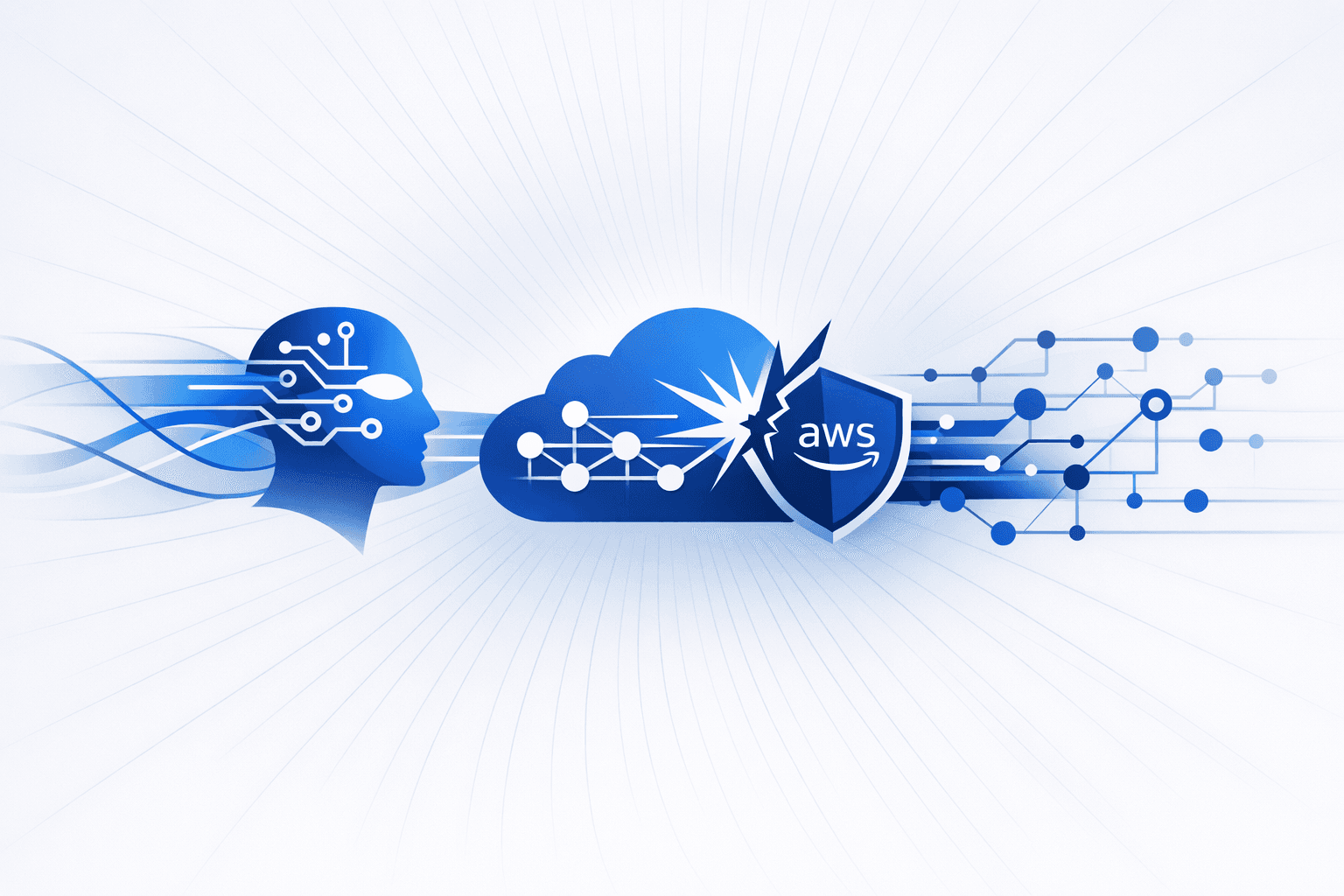
Security researchers reported that threat actors are using agentic AI and widely available large language models to dramatically speed up cloud intrusions, turning familiar attack paths into high-tempo operations. In one documented case cited by Sygnia, a lone attacker compromised an AWS environment in about 72 hours after stealing an access key from an internet-facing application, then used AI-assisted workflows to harvest secrets, establish persistence, exfiltrate data, and carry out disruptive actions consistent with extortion. The intrusion did not depend on zero-days or novel malware; instead, it amplified standard cloud attack techniques through automation, concurrency, and faster decision-making.
Broader industry analysis from Sysdig and Google indicates that AI is not fundamentally changing initial access methods so much as increasing the speed, scale, orchestration, and evasion of post-compromise activity. Researchers said the most exposed organizations are those carrying longstanding security debt, including weak secrets management, excessive permissions, poor identity governance, limited monitoring, unpatched systems, and inadequate control over AI-enabled assets. Recommended defenses include tightening repository and credential access, enforcing network segmentation and outbound restrictions, routing traffic through WAFs, improving visibility and incident readiness, inventorying AI agents with production access, and treating AI systems as monitored production assets.
Why it matters
Impact assessment
AI is increasing the operational tempo of cloud intrusions rather than introducing fundamentally new intrusion paths. Organizations with AWS and broader cloud estates, especially those with weak secrets management, excessive IAM permissions, poor identity governance, limited monitoring, and internet-facing applications, are most exposed.
The impact can be severe: rapid credential theft, persistence creation, database and object-store data exfiltration, service disruption, and extortion-oriented destructive actions can occur within hours to days. The exposure is broad because the attack paths rely on common security debt and conventional access methods, and there are documented real-world incidents rather than purely theoretical risk.
Supporting details
- Affected environments:
- AWS cloud environments
- Internet-facing applications exposing cloud credentials or enabling account compromise
- EC2, ECS, RDS, S3, SQS, IAM, AWS Secrets Manager, and AWS Systems Manager Parameter Store
- Organizations deploying AI agents or copilots with production access
- Most affected sectors:
- Any cloud-dependent enterprise; risk is highest for organizations with mature cloud footprints and weak governance over machine identities and secrets
- Severity drivers:
- Data loss through exfiltration from RDS and other stores
- Operational disruption through S3 access denial, ECS capacity reduction to zero, ACL-based blocking, and SQS queue purging
- Financial and reputational damage from extortion and outage recovery
- Scope:
- Broad exposure due to reliance on common weaknesses such as stolen credentials, unpatched internet-facing services, and overprivileged identities
- Not limited to advanced actors; researchers assess AI lowers the barrier for less sophisticated operators
- Known incidents and evidence of exploitation:
- Sygnia documented a 72-hour AI-assisted AWS intrusion with extortion-aligned actions
- Sysdig cited the marimo intrusion completing credential harvesting, AWS Secrets Manager access, SSH pivoting, and PostgreSQL exfiltration in under 10 hours
- Sysdig described JADEPUFFER as a fully autonomous ransomware campaign