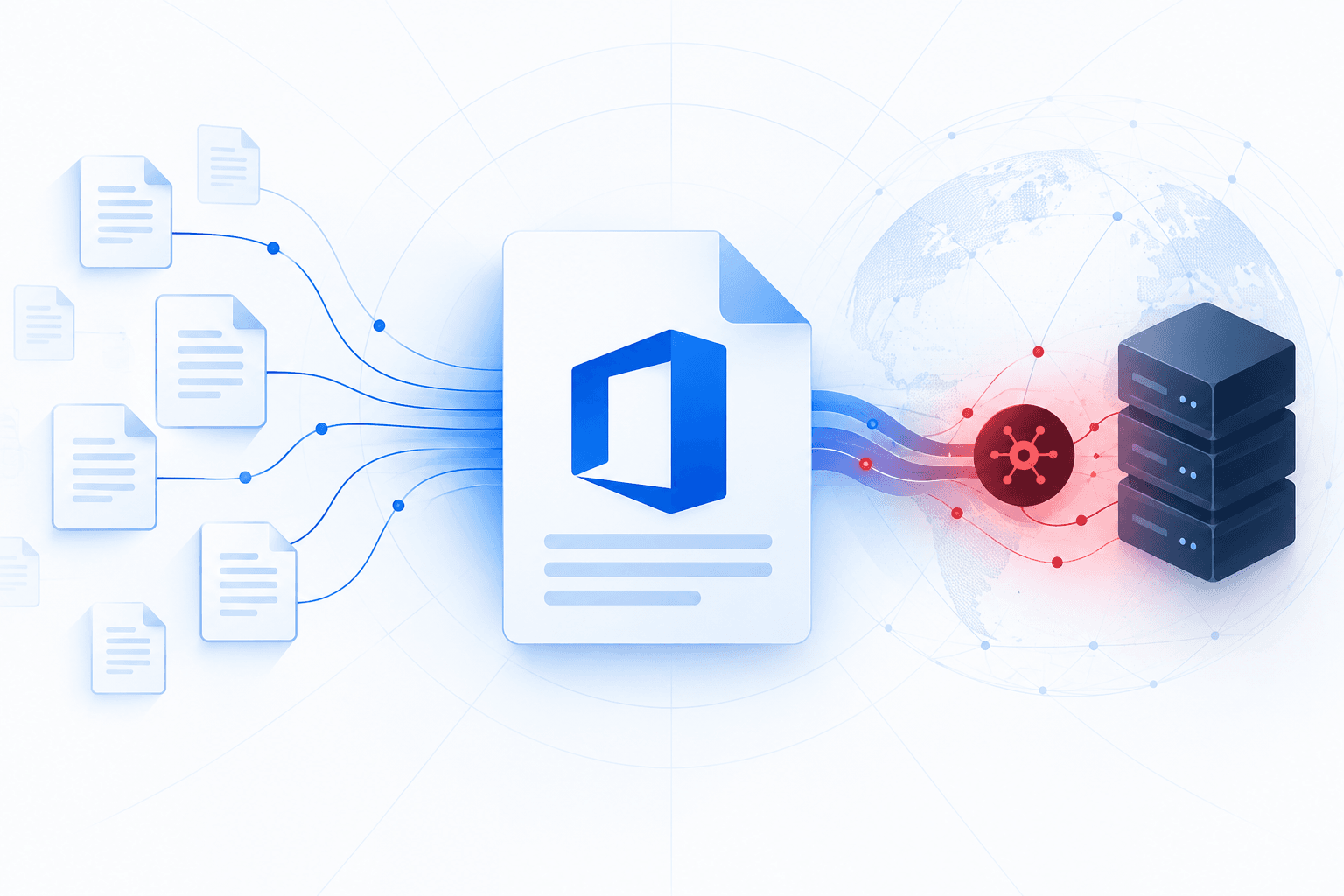
Microsoft Office Equation Editor Flaw CVE-2017-11882 Fueled Public Exploits and LokiBot Delivery
Patch & Detection Intelligence · 13 sources · Updated 3mo ago · First seen Jan 20, 2021
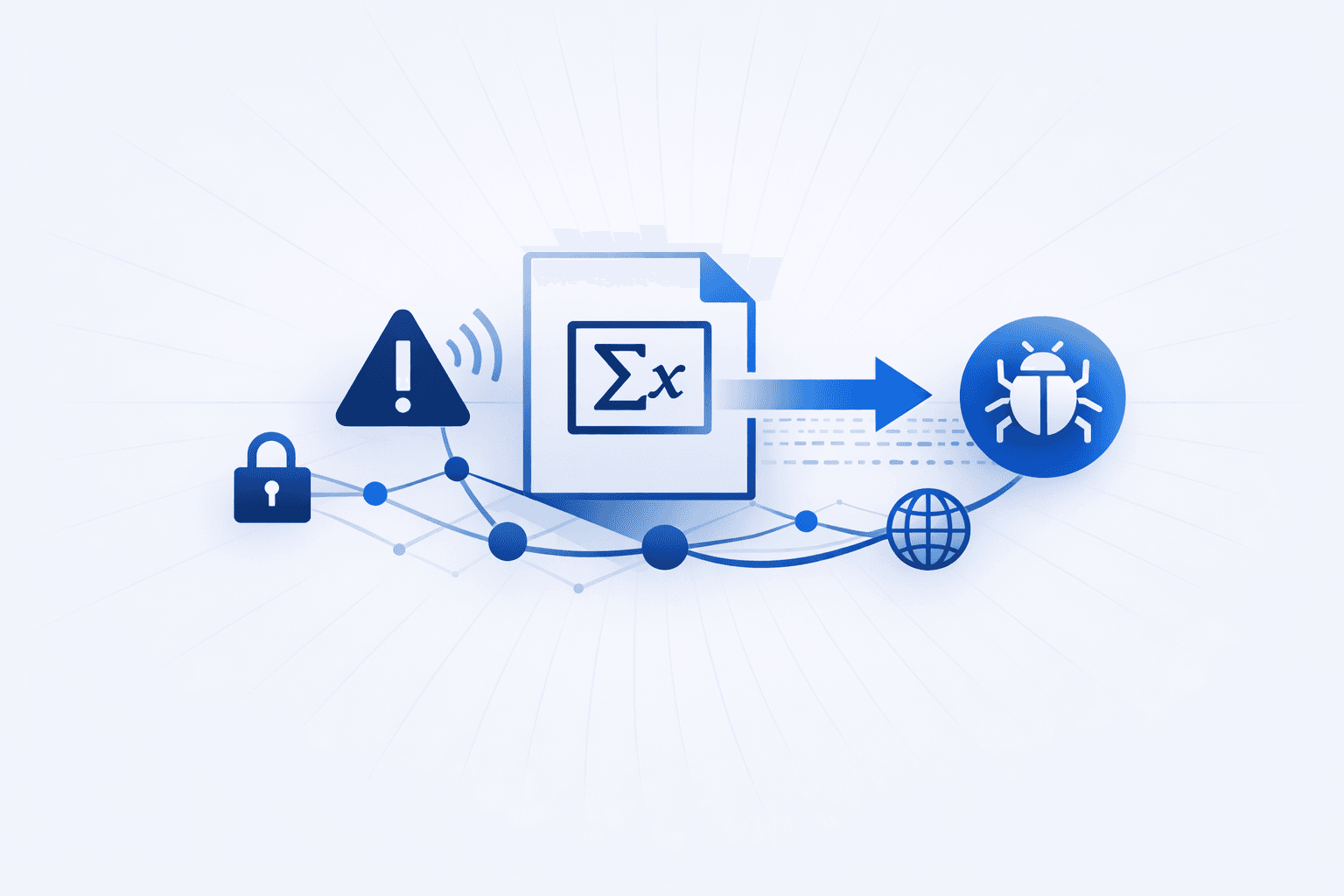
CVE-2017-11882 is a Microsoft Office memory corruption flaw in the legacy Equation Editor that enables arbitrary code execution in the context of the current user when a victim opens a crafted document. The vulnerability affects Office 2007 SP3, Office 2010 SP2, Office 2013 SP1, and Office 2016, and public exploit material quickly emerged showing how malicious RTF files could trigger remote command execution or shellcode execution, including Metasploit support and techniques that leveraged mshta.exe or injected payloads into EQNEDT32.EXE.
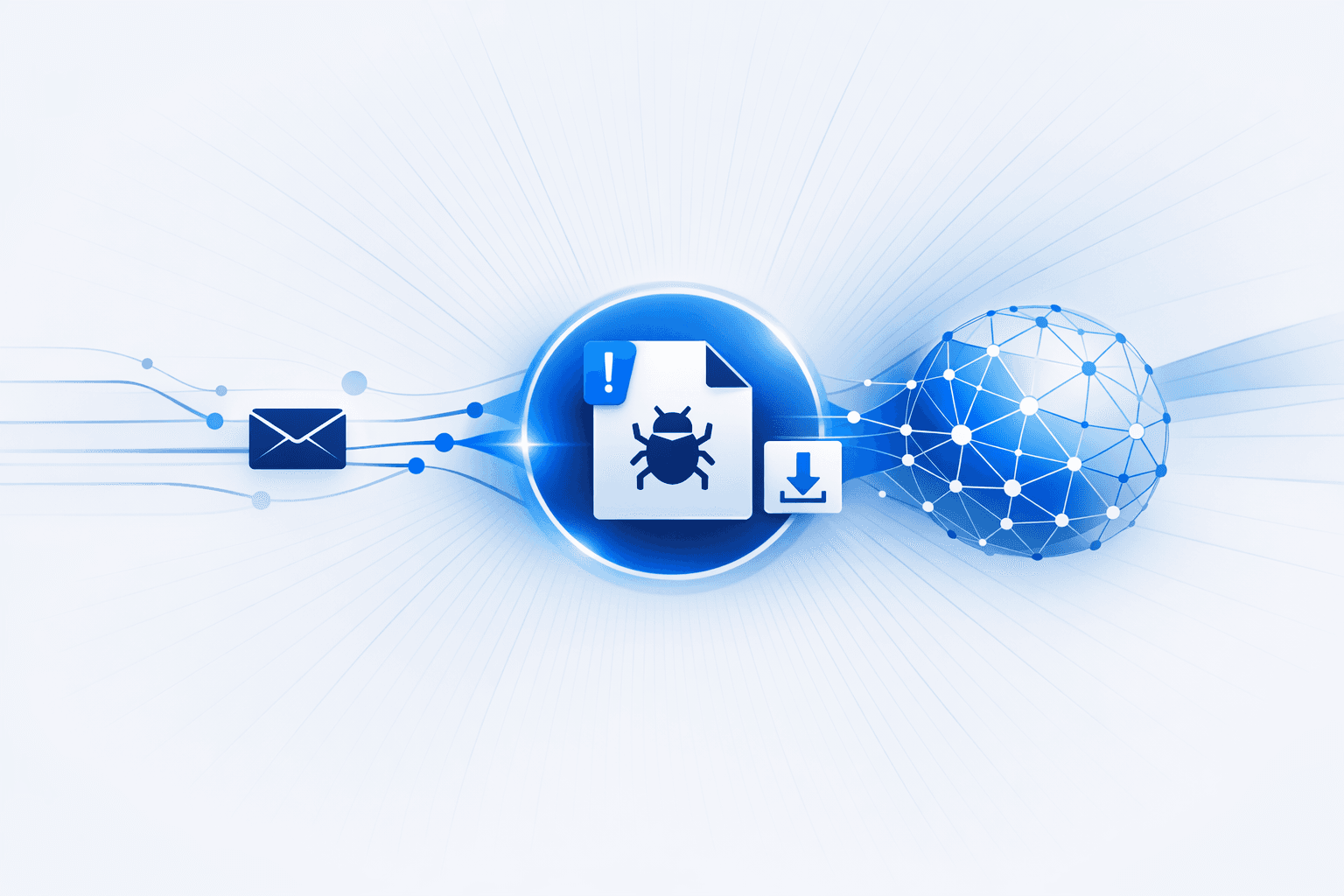
The flaw was also used in phishing operations to deliver malware. One documented campaign used malicious Office documents exploiting CVE-2017-11882 alongside CVE-2017-0199 to deploy the LokiBot stealer through a multi-stage chain involving encrypted Excel files, embedded OLE objects, and follow-on document retrieval. Investigation of the campaign exposed misconfigured attacker infrastructure, including a publicly accessible phpinfo.php page on 192.3.239.42, a host identified as WIN-2NF07F1AQLT, and OSINT links to additional infrastructure and Brazil-registered scam domains tied to the operation.
Why it matters
Impact assessment
CVE-2017-11882 is a high-risk legacy Microsoft Office remote code execution issue that affects organizations still running vulnerable Office builds or handling untrusted Office/RTF content. Exposure is broad because the attack is document-driven and has been repeatedly used in phishing campaigns to deliver commodity stealers and post-exploitation tooling, with confirmed in-the-wild exploitation.
Affected populations
- Organizations using Microsoft Office 2007 SP3, Office 2010 SP2, Office 2013 SP1, or Office 2016
- Users who open RTF or Office documents from email, web downloads, or shared locations
- Environments where users have local admin rights face materially higher impact
- Microsoft WordPad is also identified in Microsoft guidance as part of the crafted-file attack scenario
Severity and business impact
- Successful exploitation enables arbitrary code execution in the context of the current user
- If the user has administrative privileges, attackers can install programs, create accounts, and view, modify, or delete data
- Observed payloads included LokiBot/Loki, FormBook, Pony/FAREIT, ZLoader, Ursnif, keyloggers, and ransomware-like lockscreen malware
- Likely consequences include credential theft, financial fraud, endpoint compromise, follow-on lateral movement, and reputational damage from phishing-driven intrusions
Scope and exploitation status
- Exploitation was observed in the wild shortly after patch release, with public exploit material, Metasploit support, and multiple proof-of-concept implementations
- Unit 42 reported thousands of attempted attacks after November 20, 2017, indicating widespread opportunistic abuse rather than a narrowly targeted threat only
- One documented campaign used CVE-2017-11882 with CVE-2017-0199 to deliver LokiBot through a multi-stage phishing chain
Structured facts extracted
- CVE: CVE-2017-11882
- Related CVE in campaign: CVE-2017-0199
- Malware families: LokiBot, Loki, FormBook, Pony/FAREIT, ZLoader, Ursnif, Cobalt Strike DLL payloads, keylogger, lockscreen malware
- Key entities: Microsoft, Equation Editor, EQNEDT32.EXE, Trend Micro, Palo Alto Networks Unit 42
- Known attacker infrastructure: 192.3.239.42, 192.227.129.26, 192.227.168.194, 107.175.218.40, 104.168.32.21, 104.168.32.14, zilk[.]pw, itssotiny.com
- Hostnames/domains tied to campaign reporting: WIN-2NF07F1AQLT, WIN-3JS0MA784YQ, Webcamer.com.br, Citydesconto.com.br